
Level Up Basketball
Reading is step one; training is step two. Shooting, ball-handling, finishing, defense, and conditioning — step-by-step guides you can take straight to the gym, then drill with form feedback in the Level Up app.
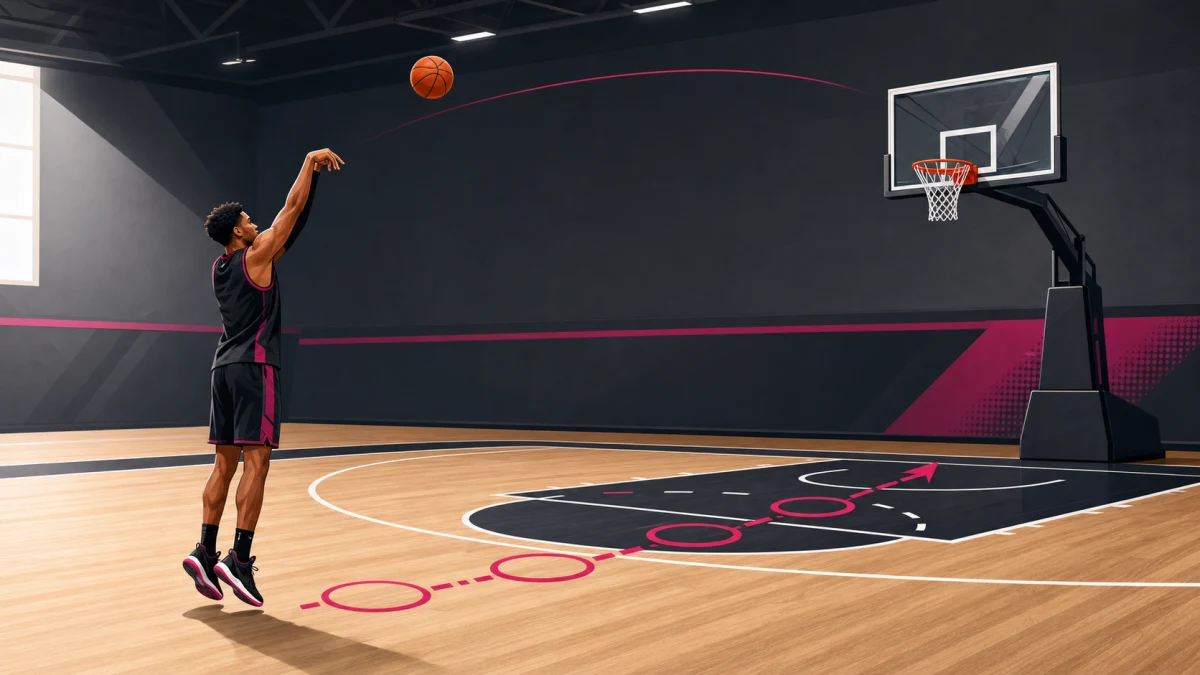
A source-backed shooting progression from close-range mechanics to movement, decisions, pressure, and fatigue-aware practice.
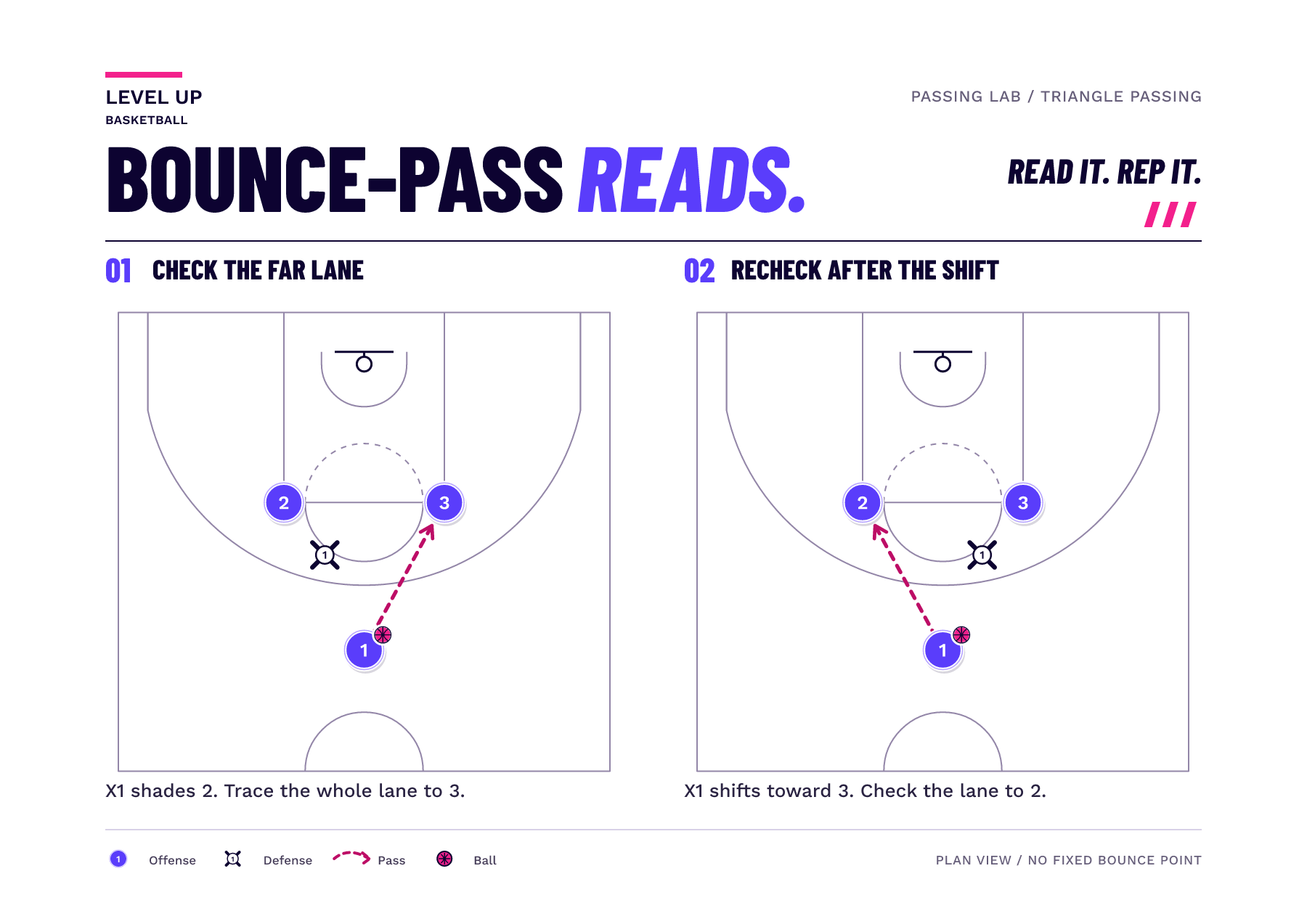
Read the defender, find a clear route and place the bounce so your teammate can control the catch.
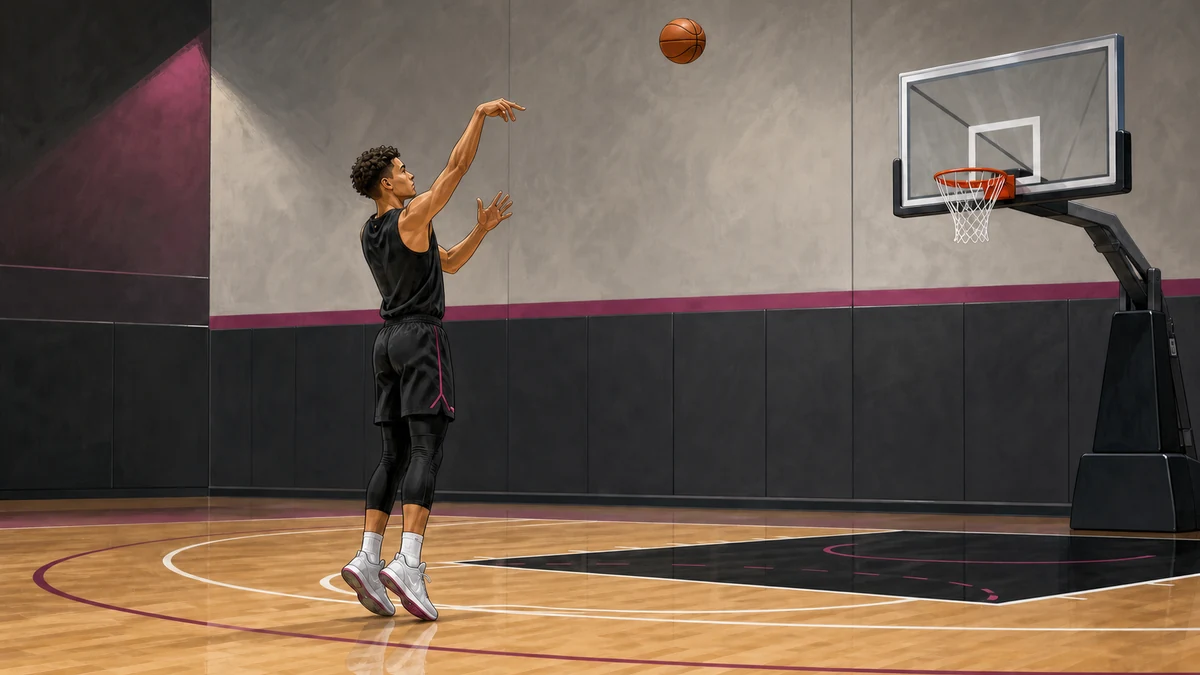
An evidence-backed breakdown of Curry's shot preparation, balance, footwork, dip, release, and the progression that connects them.
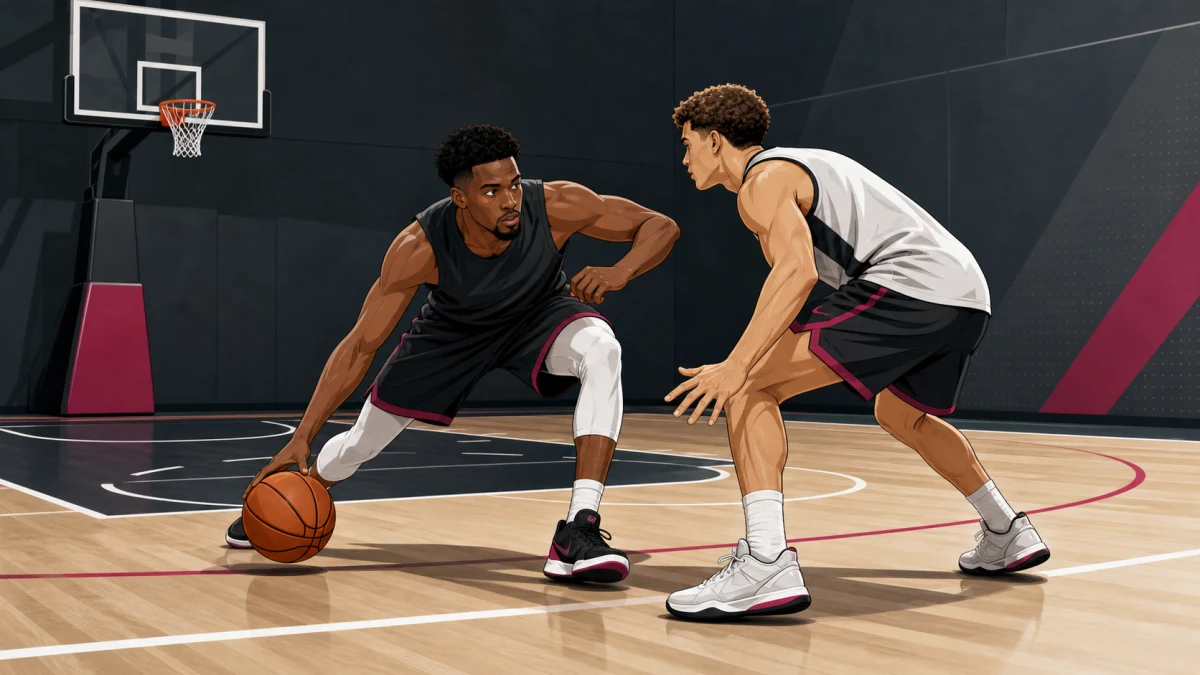
A four-week plan that progresses from ball control and change of pace to perception, pressure, recovery, and retesting.
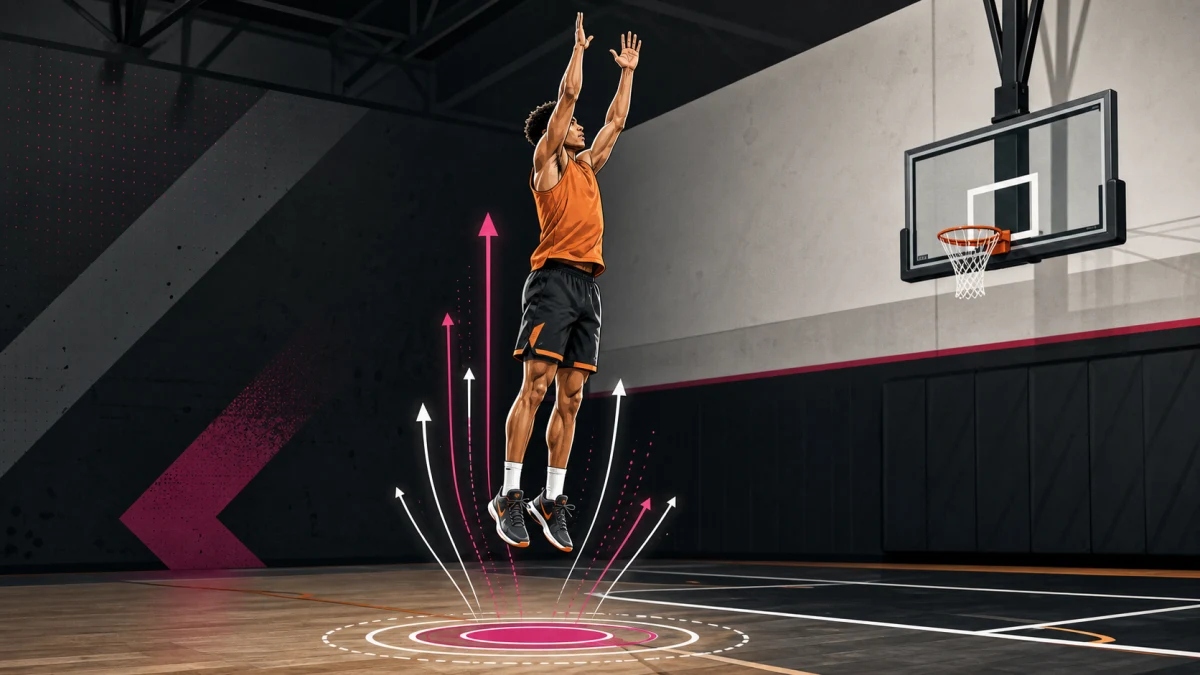
An evidence-led framework for strength, plyometrics, landing quality, recovery, and honest vertical-jump measurement.
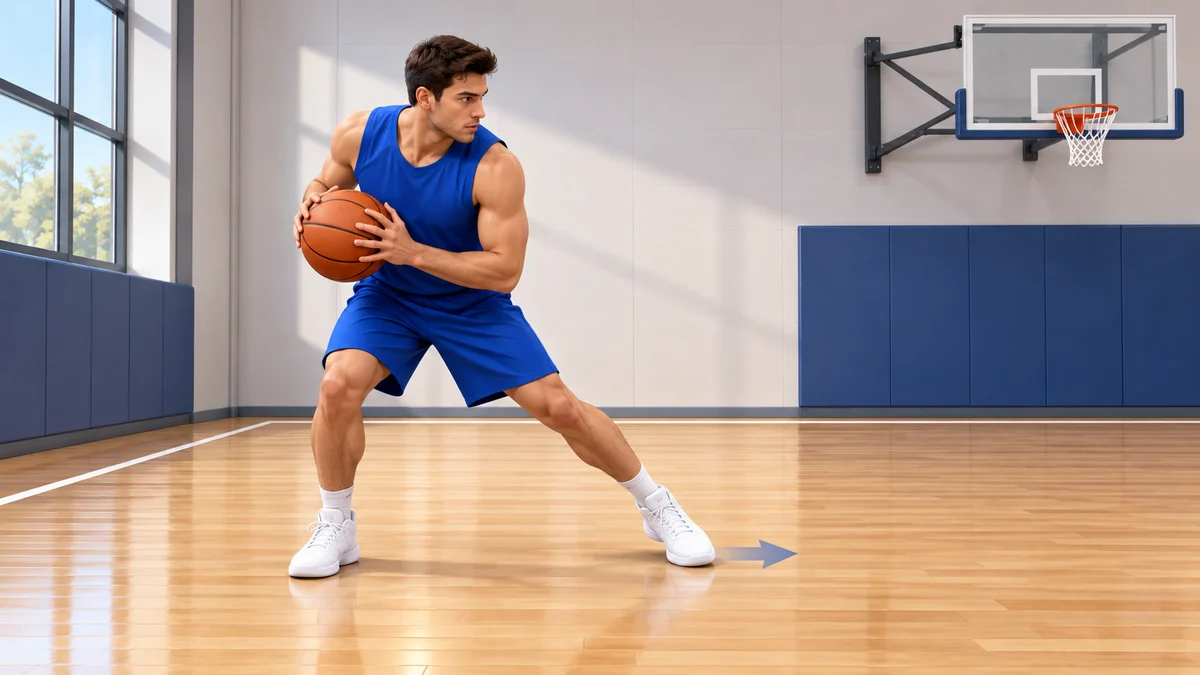
Use the jab step as a legal, balanced fake from triple threat, then choose the first action that matches your pivot, dribble, and defender read.
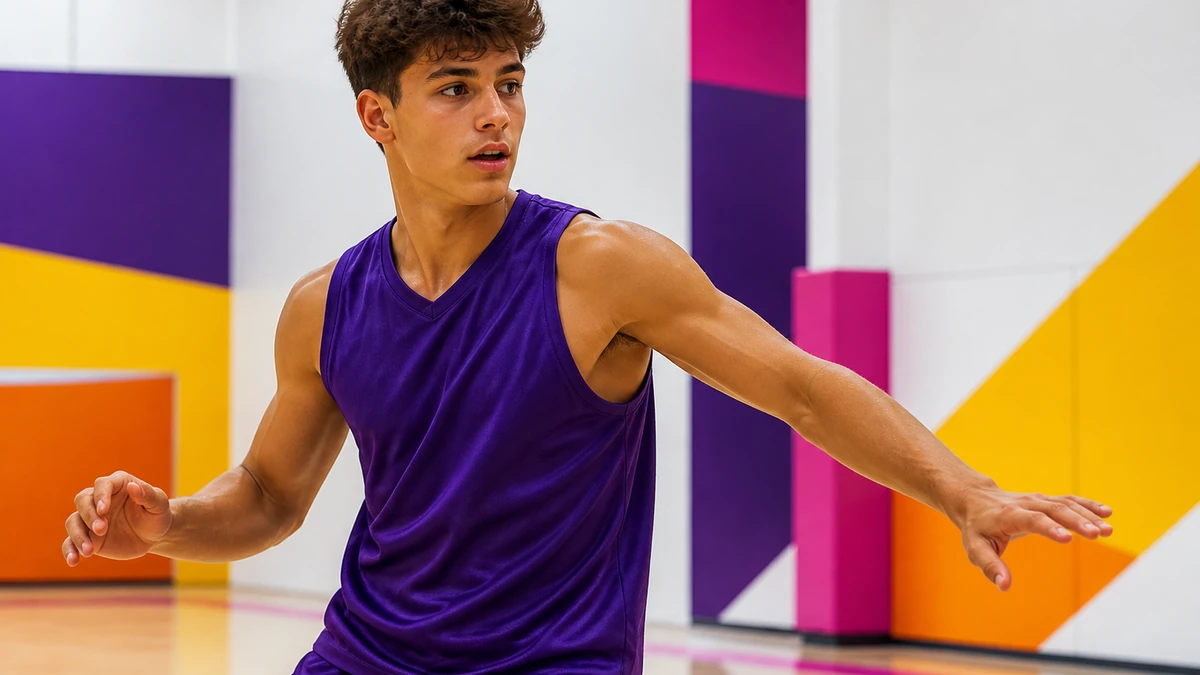
Speed is only useful when a player can also stop. Deceleration is the braking-and-repositioning skill that turns a sprint into a balanced next move on the drive, the closeout, and the finish.
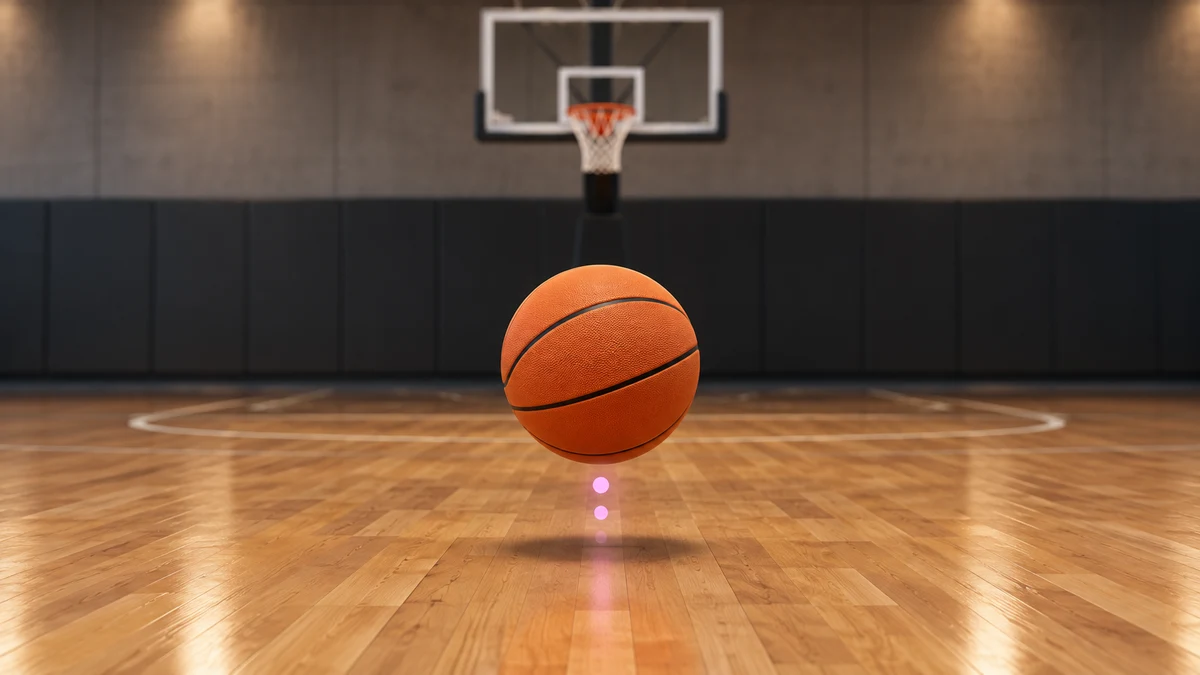
A source-bound guide to the stance, hand contact, ball path, and visual-attention details of stationary dribbling.

A source-limited guide to cited deceleration, landing, balance, and recovery-positioning material in a dunking context.
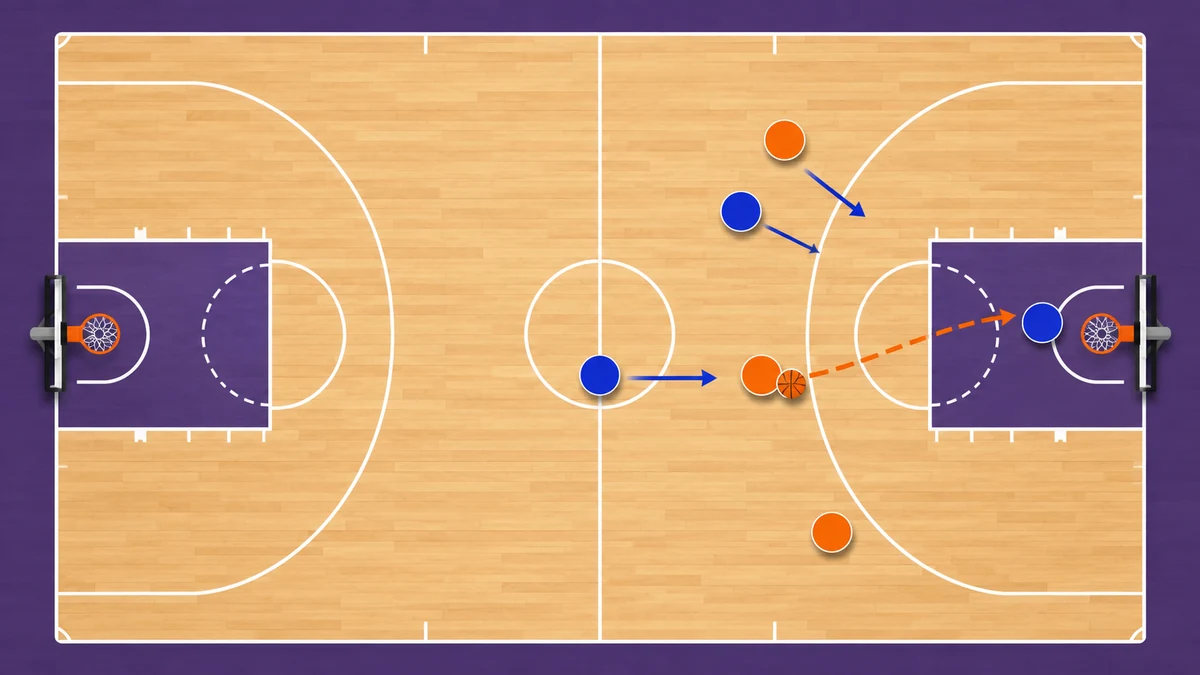
The first three steps should protect urgent space: sprint toward the basket, stop the ball only after the rim is covered, then match up together.
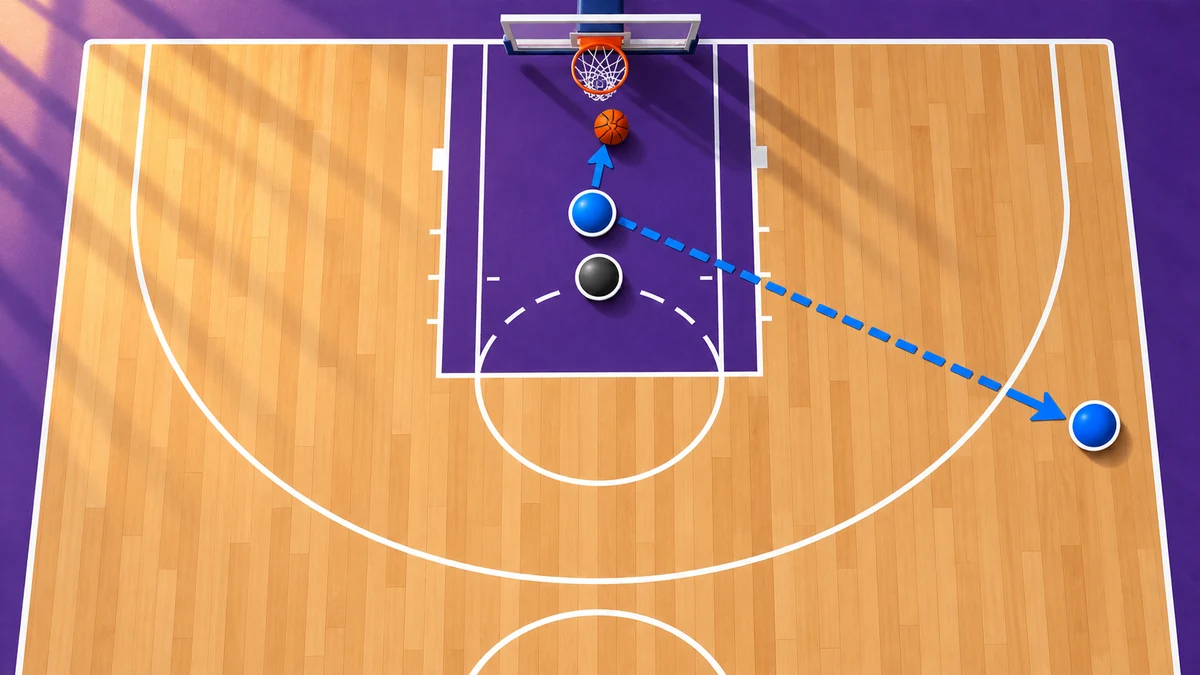
A rebound is not complete at the catch: train the read, legal position, pursuit, security, and first outlet as one possession.
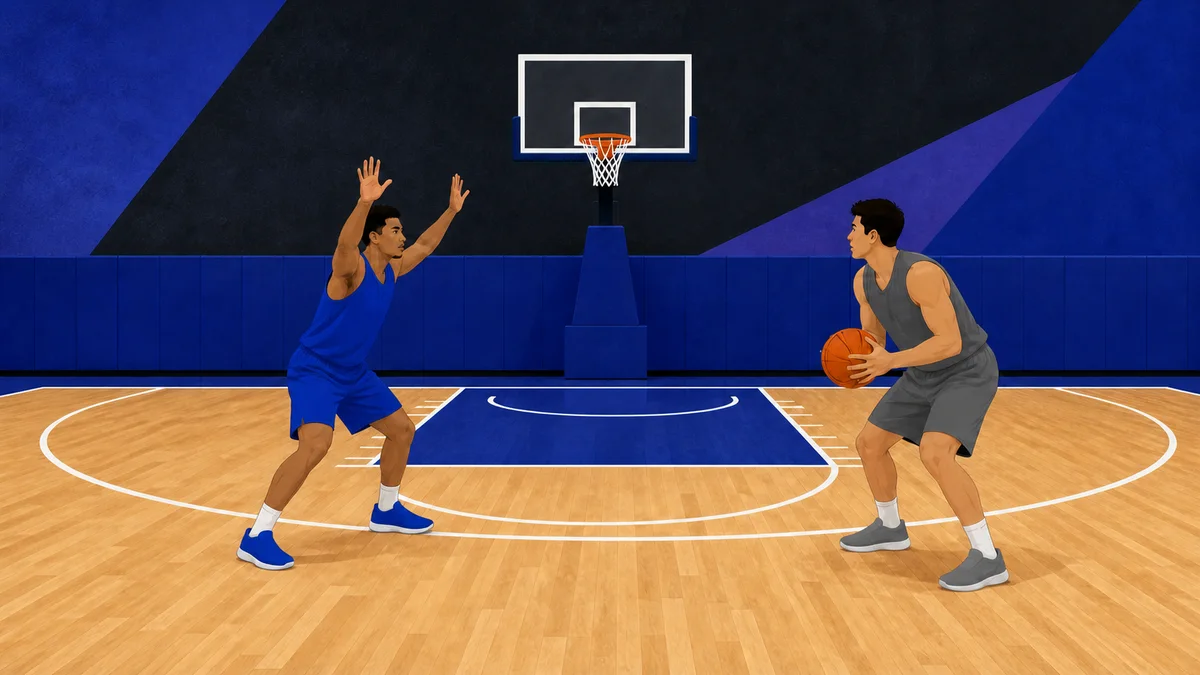
A useful closeout drill trains the read, the sprint, the controlled finish, and the defensive action that comes after the catch.
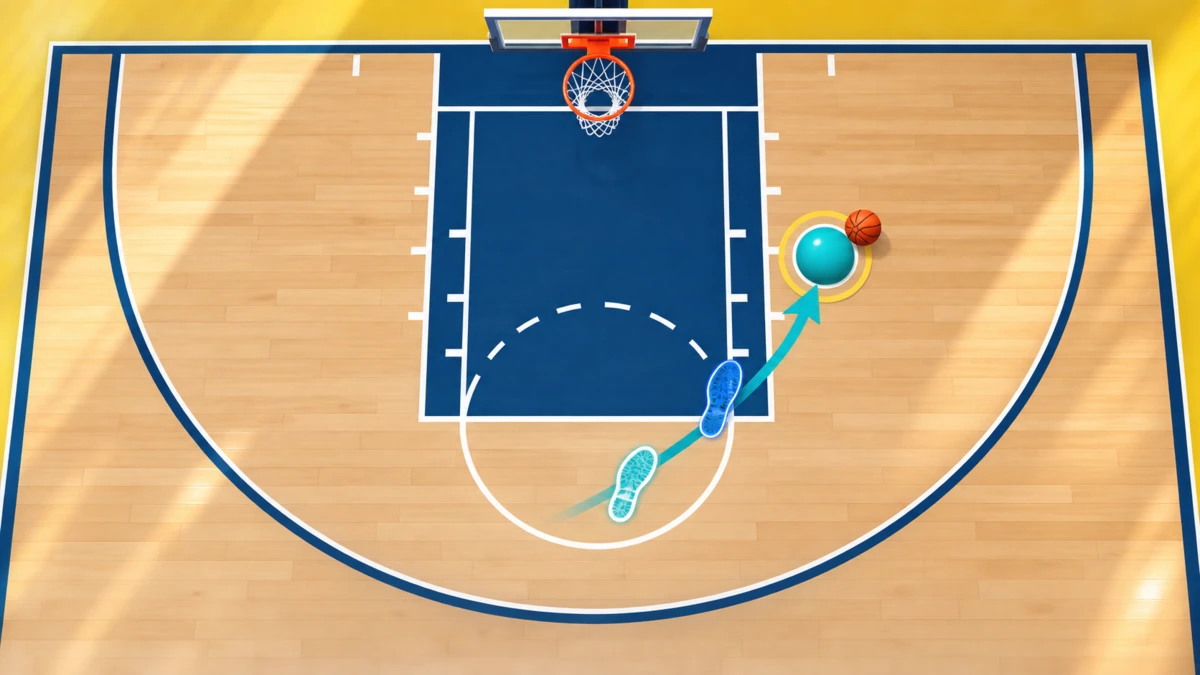
The release is only the visible end of a shot. Reliable shooting preparation starts earlier: seeing the pass, organizing the feet, controlling momentum, and arriving in a stance that leaves the player ready to shoot or make the next read.
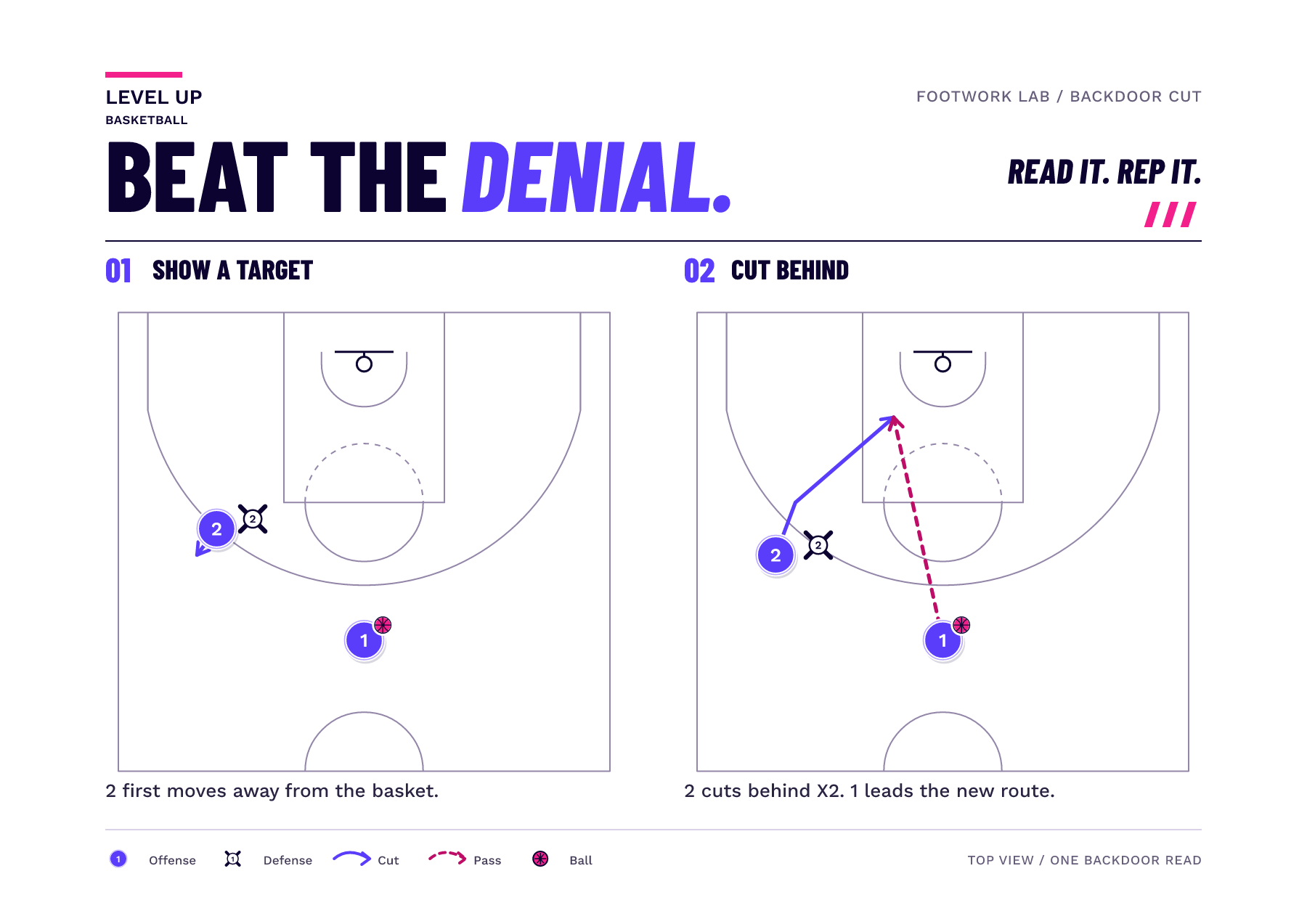
Mastering the timing of your cuts, catching on balance, and executing precise footwork are key skills for offensive players.
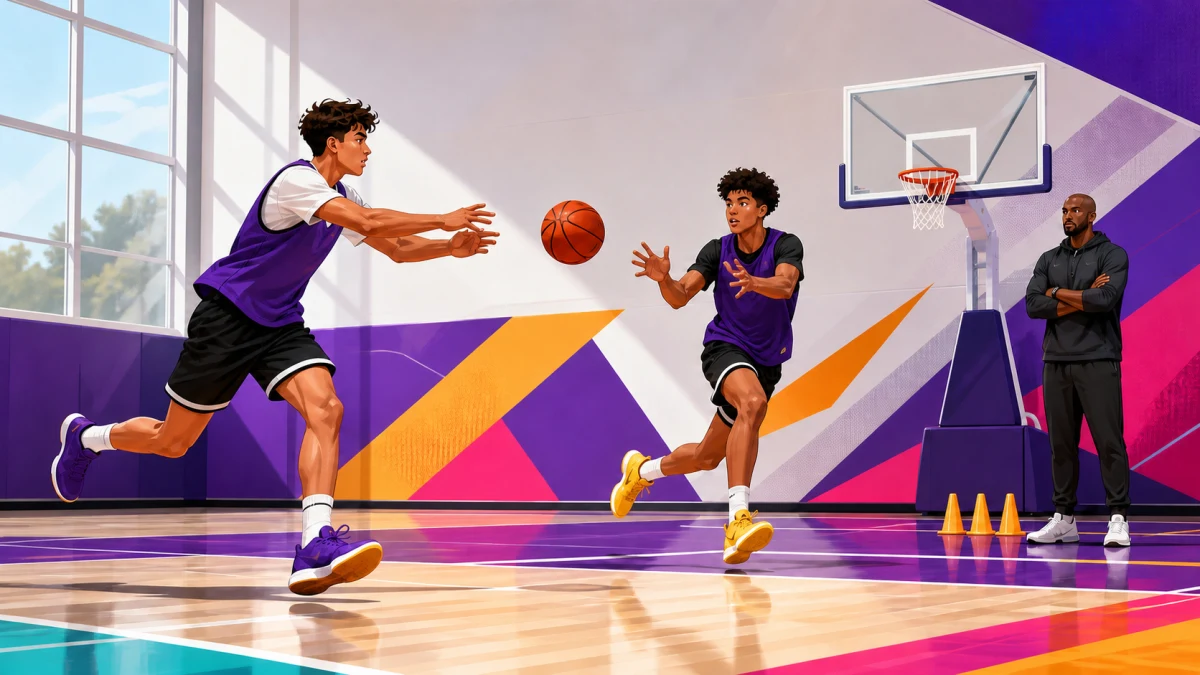
A pass can be accurate in an empty gym and still arrive late in a game. Moving passers need footwork they can control, moving receivers need clear timing, and both players need to read the same space.
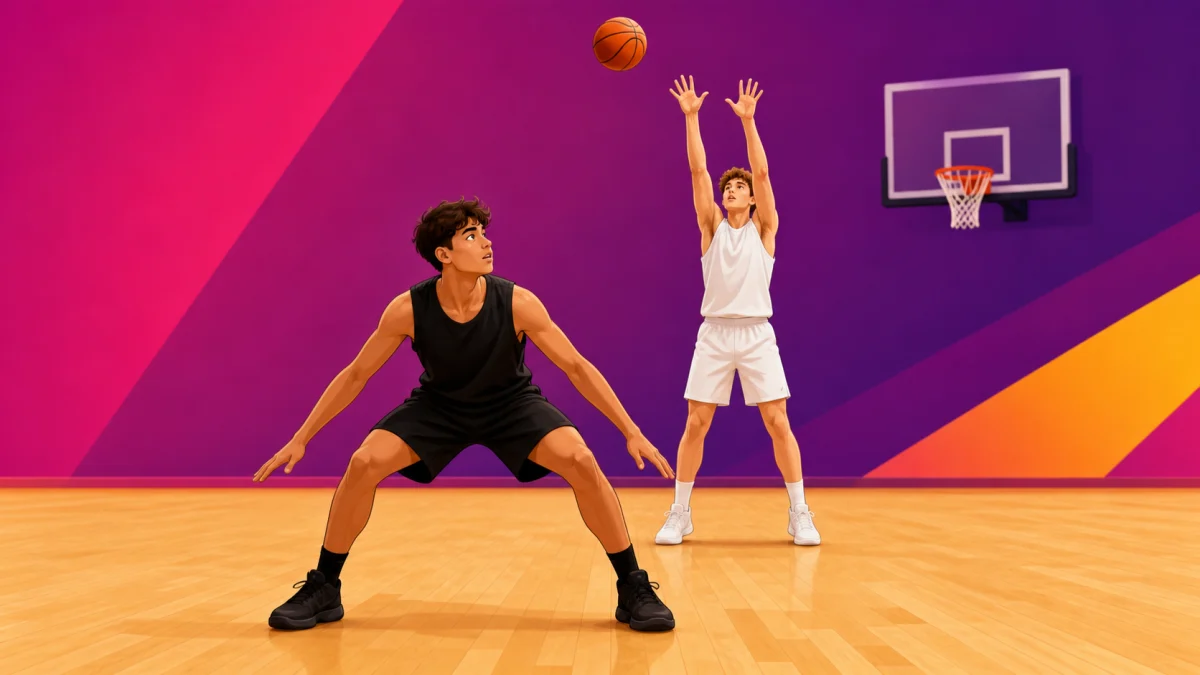
Rebounding improves when players train the whole possession: read the shot, find a body, pursue outside their space, secure the ball, and start the next play.
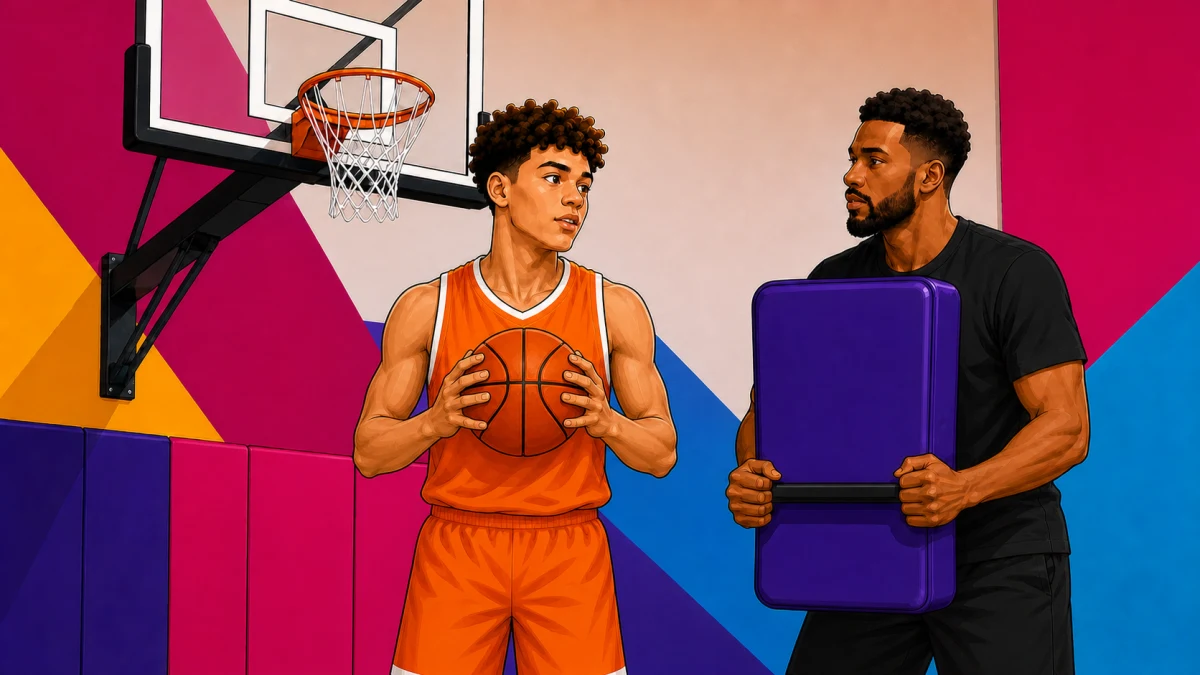
Contact finishing is not a license to absorb random collisions. It is a progression: protect the pickup, own your balance, read the defender, and add controlled pressure without losing the next decision.
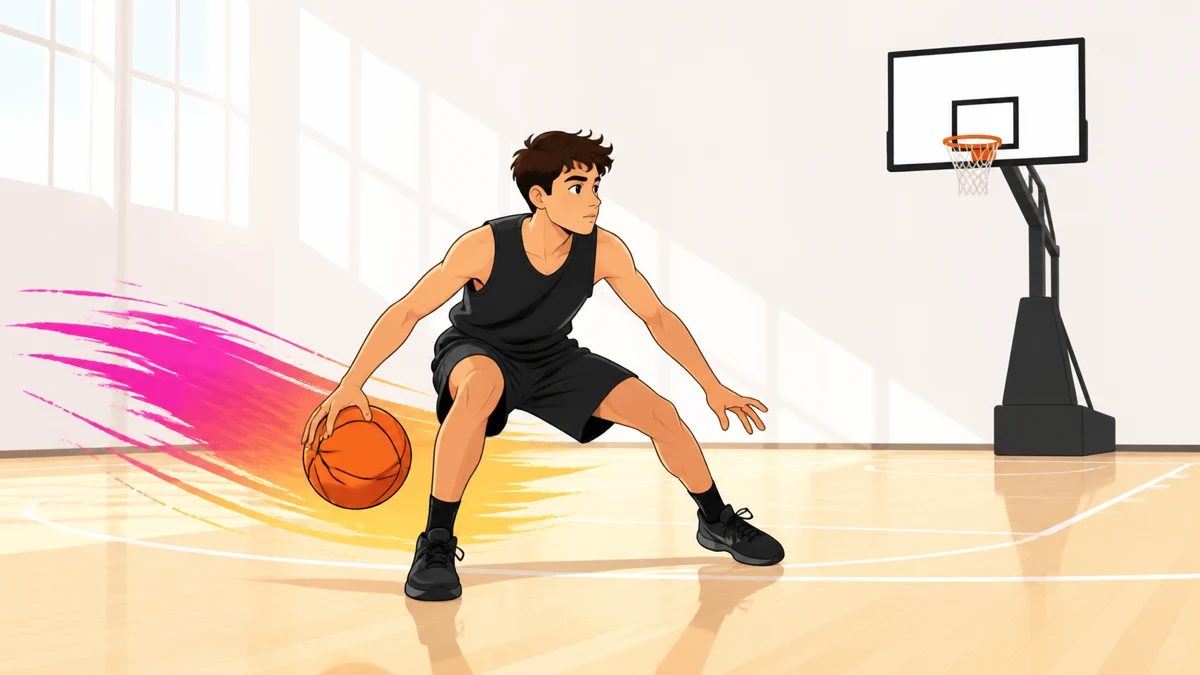
Speed gets attention, but basketball players also need the body control to stop, re-balance, and make the next read without wasting steps.
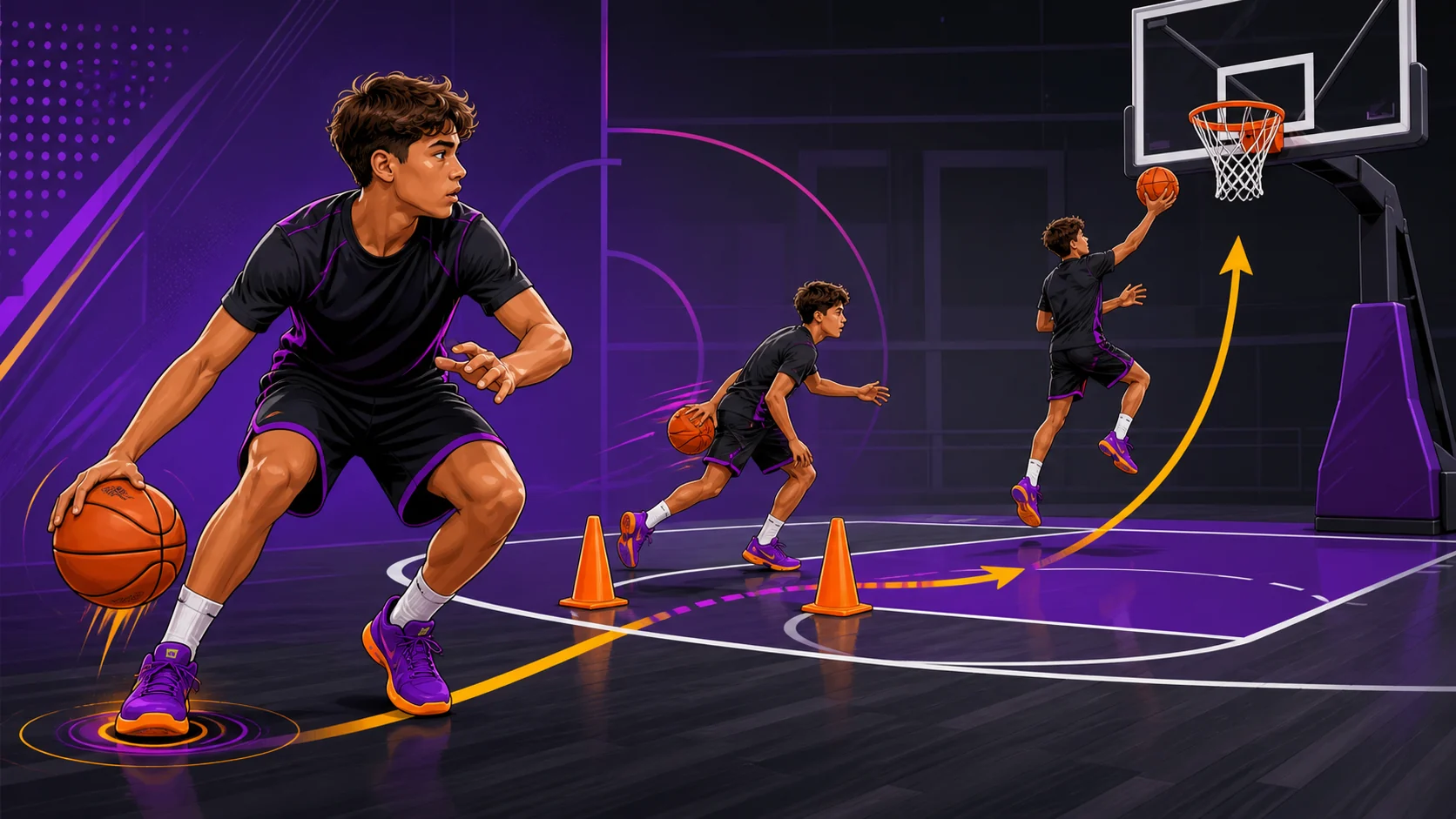
Your off hand gets useful when it can solve a basketball problem under pressure, not when it simply survives a long stationary-dribbling session.
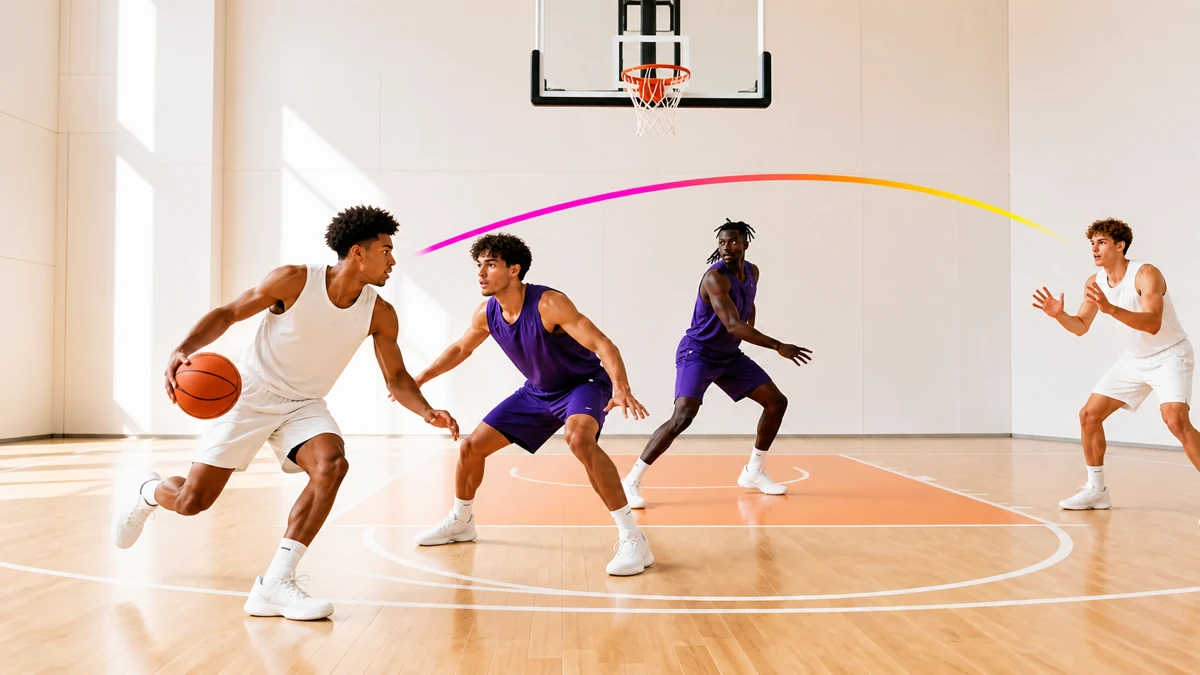
A useful small-sided game removes bodies, not basketball. Pick one game problem, preserve live choices, and change the rules only when the constraint teaches that problem.
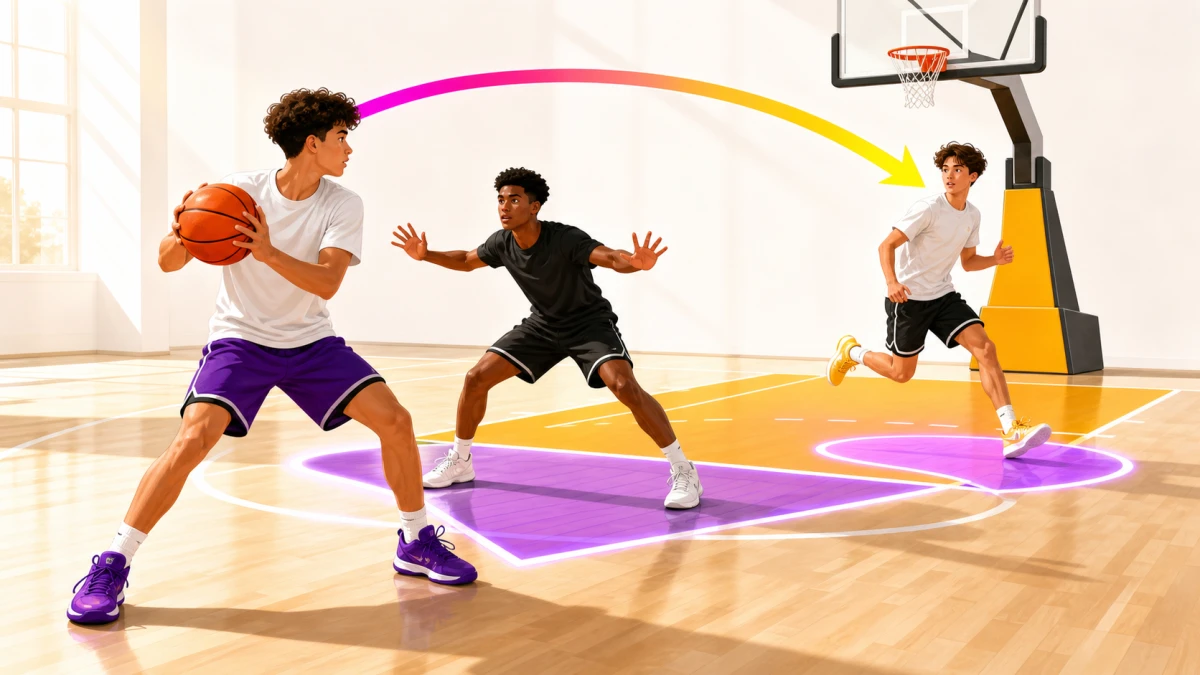
Pressure passing is not one harder chest-pass drill. It is the ability to arrive balanced, see two players at once, move the defense, and deliver the right ball before the window closes.
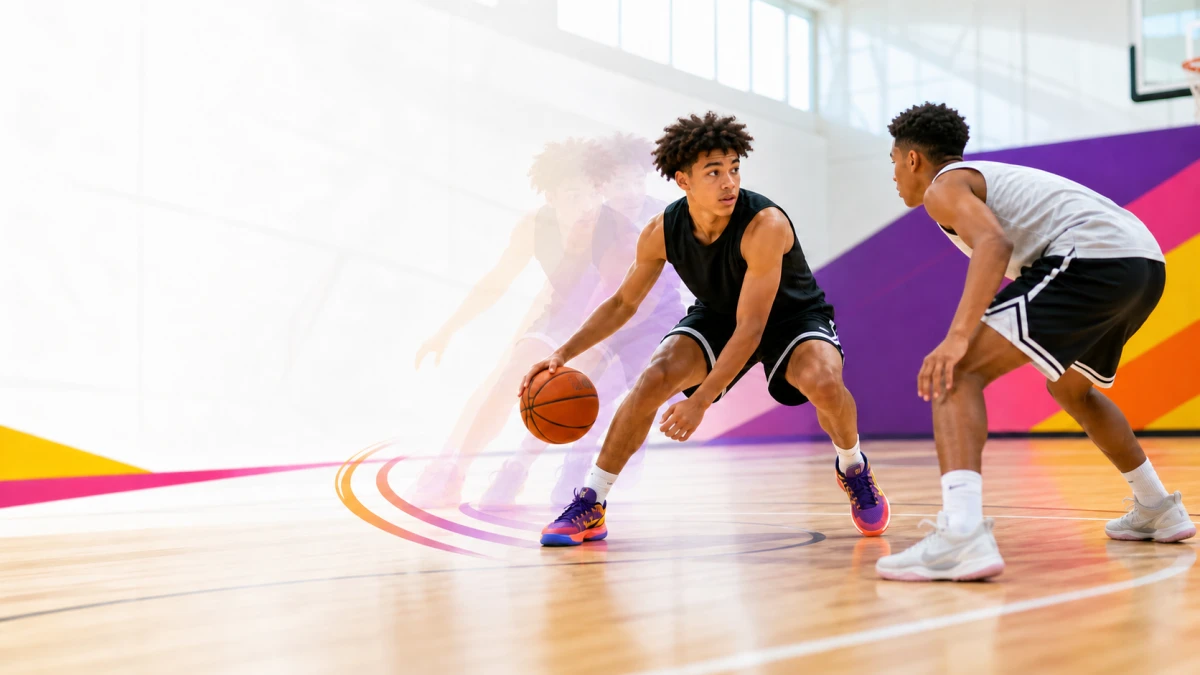
Change of pace is not a trick name or a race to top speed. It is the ability to make one rhythm believable, brake under control, read the defender, and leave in a different rhythm.
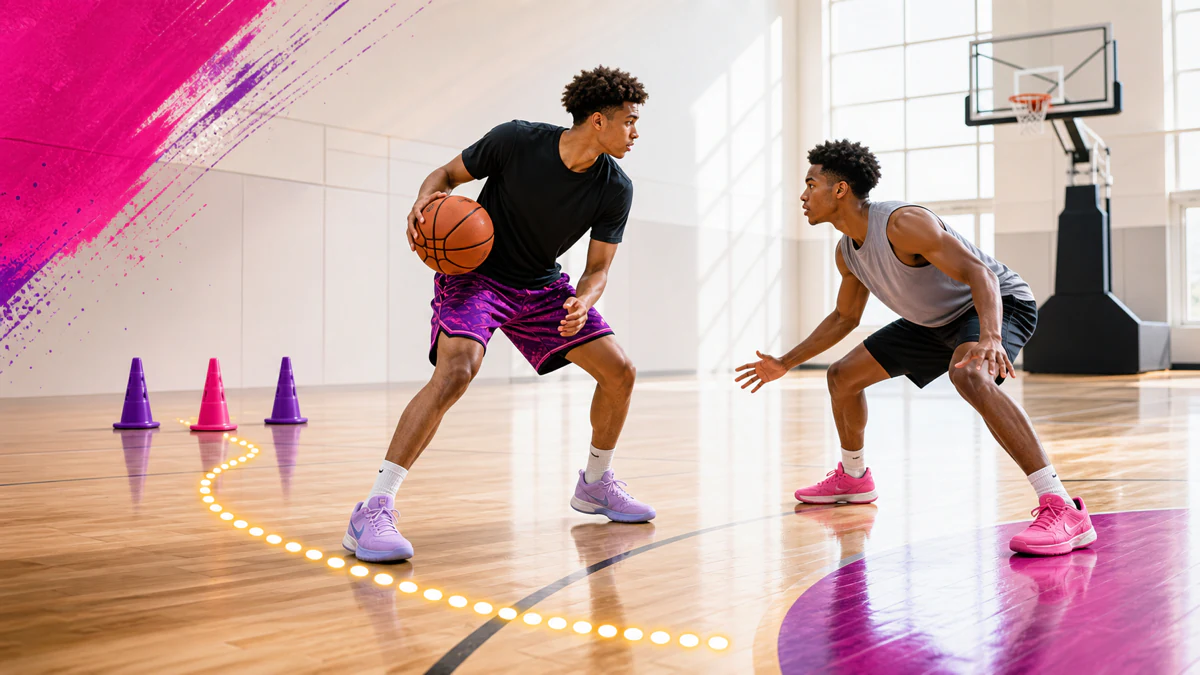
A drill becomes more game-like when each new layer preserves the original skill objective and adds a real read—not when the setup merely gets busier.
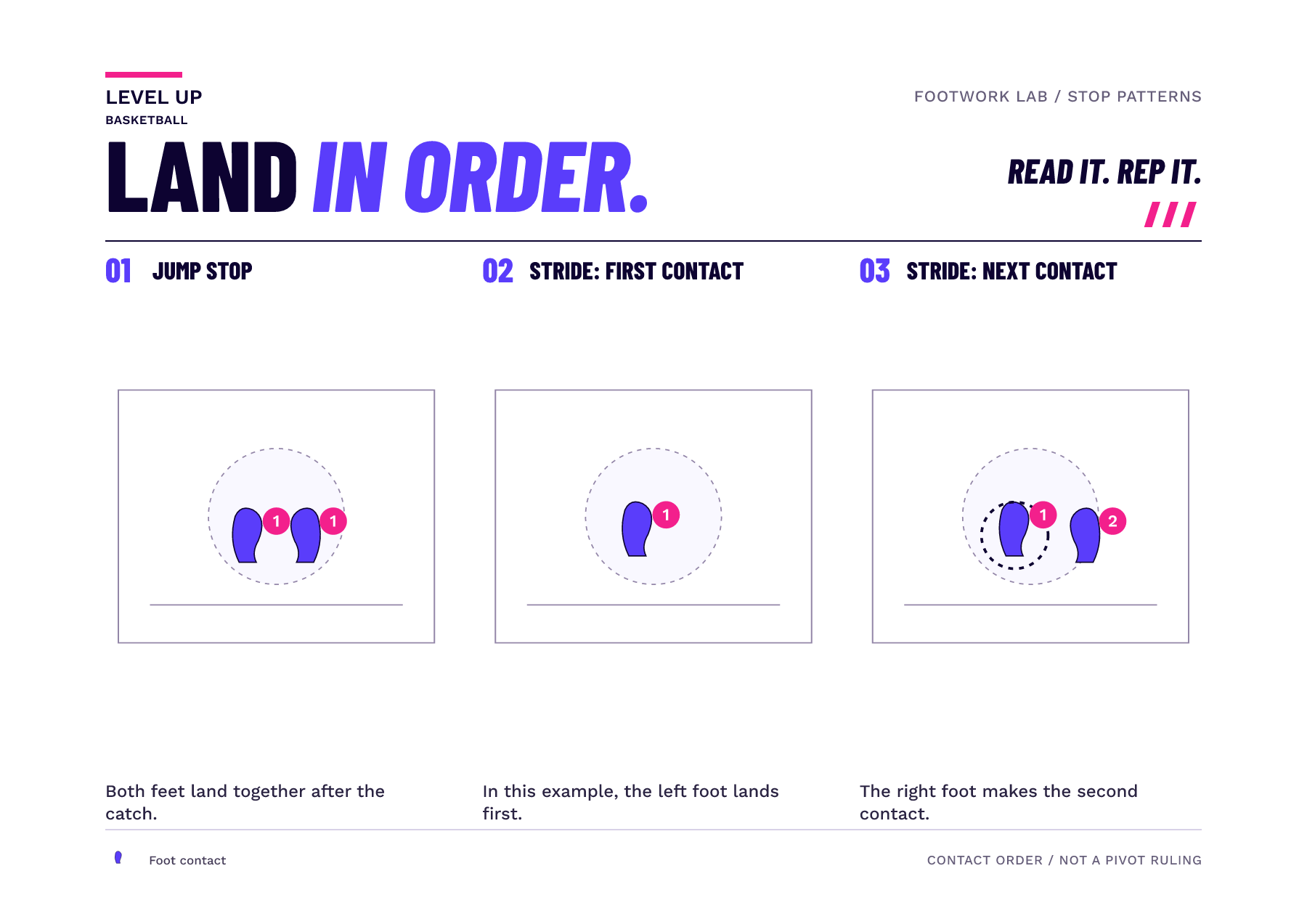
Master the footwork that establishes balance, including jump stops, stride stops, and pivots.
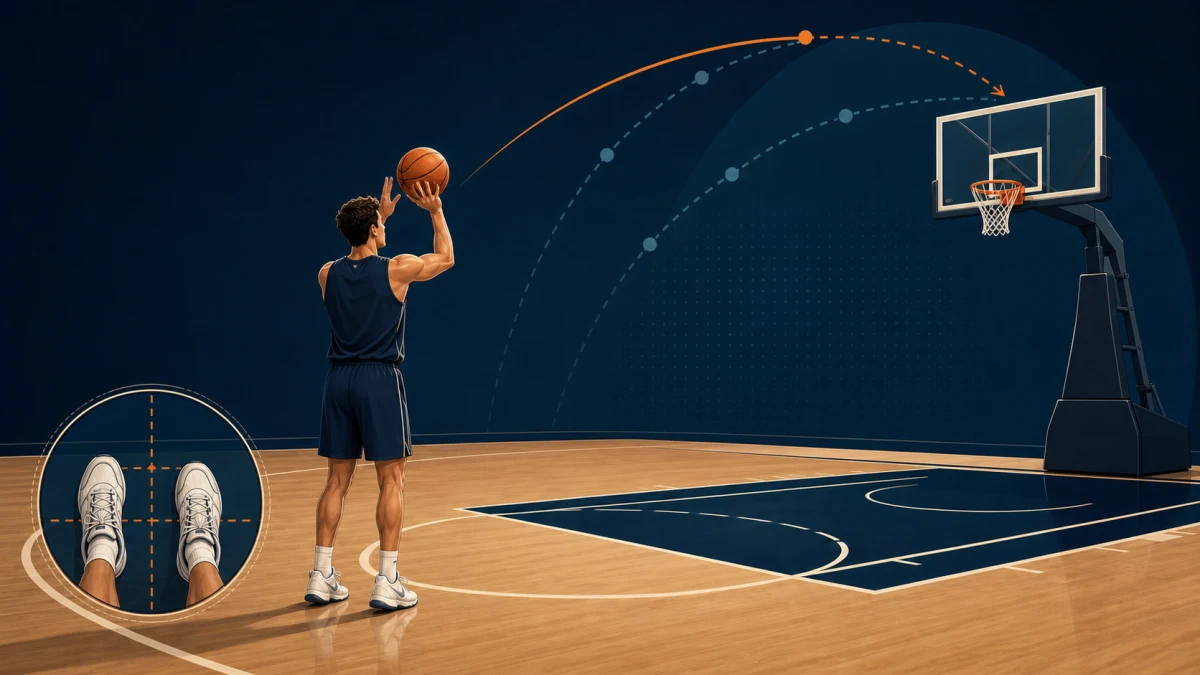
Learn how to structure a basketball shooting workout that incorporates calibration, movement variability, and decision-making.
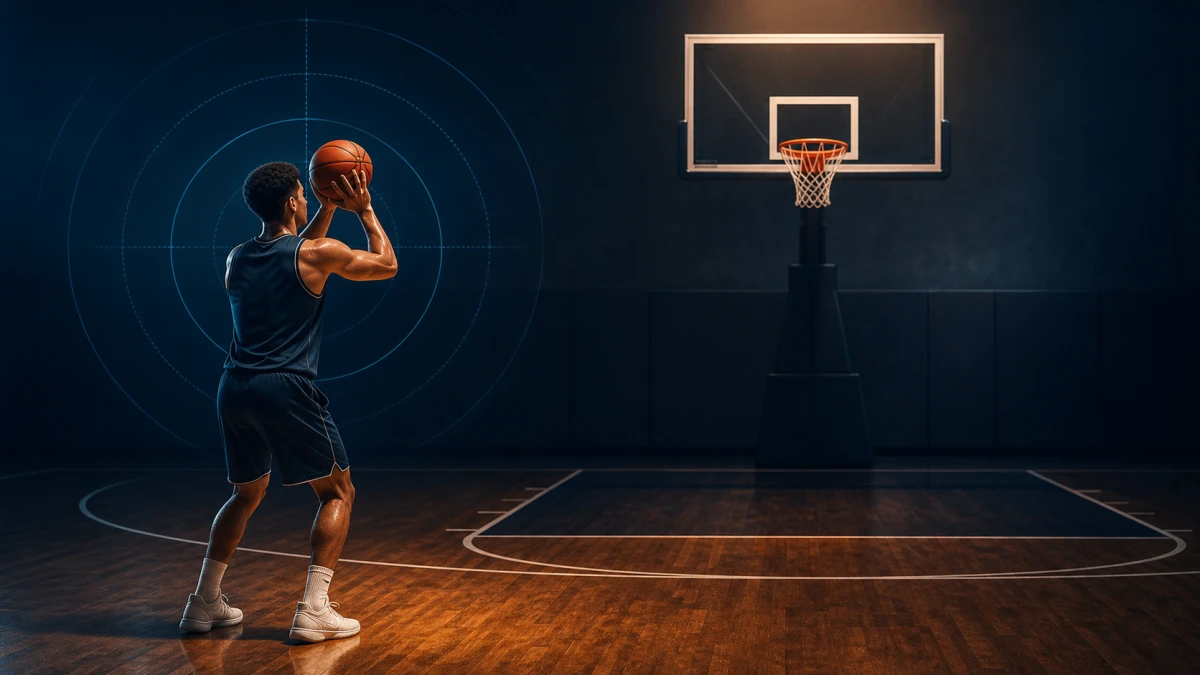
Learn how to balance basketball conditioning and skill development in practice sessions.
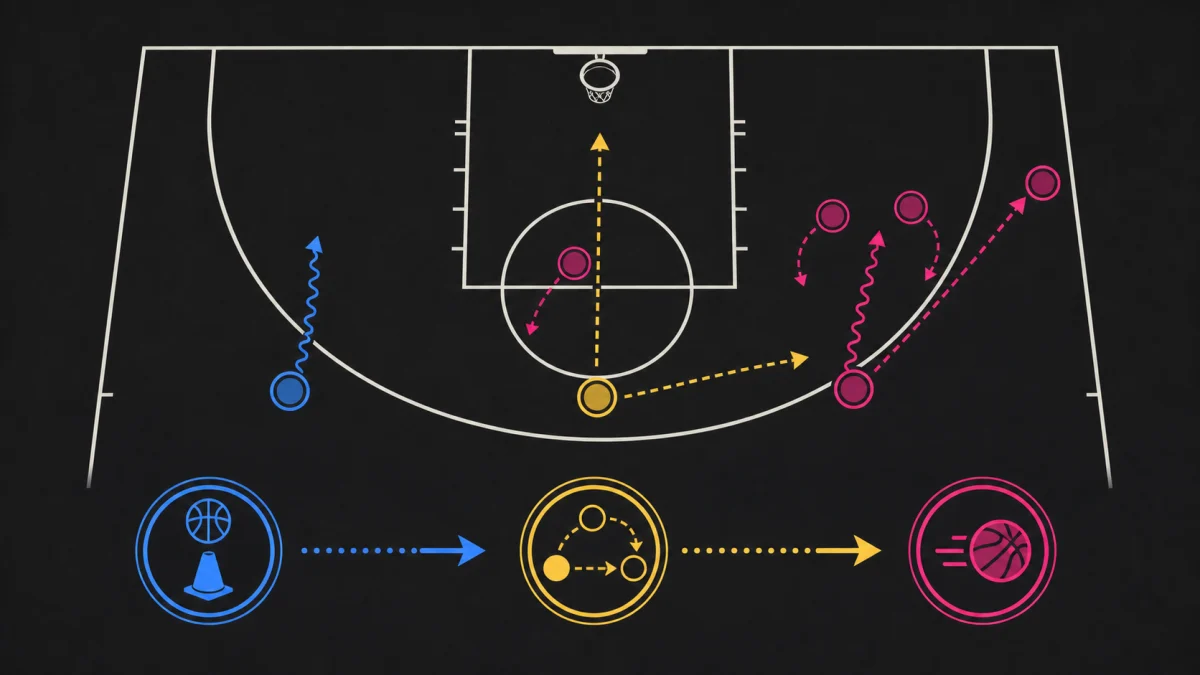
Stop running disconnected drills. Learn how to structure a basketball practice plan that moves systematically from baseline assessment to game-speed decision-making.
Turn what you just read into reps. The Level Up app films your shot and grades your form with an AI coach, so you know exactly what to fix.