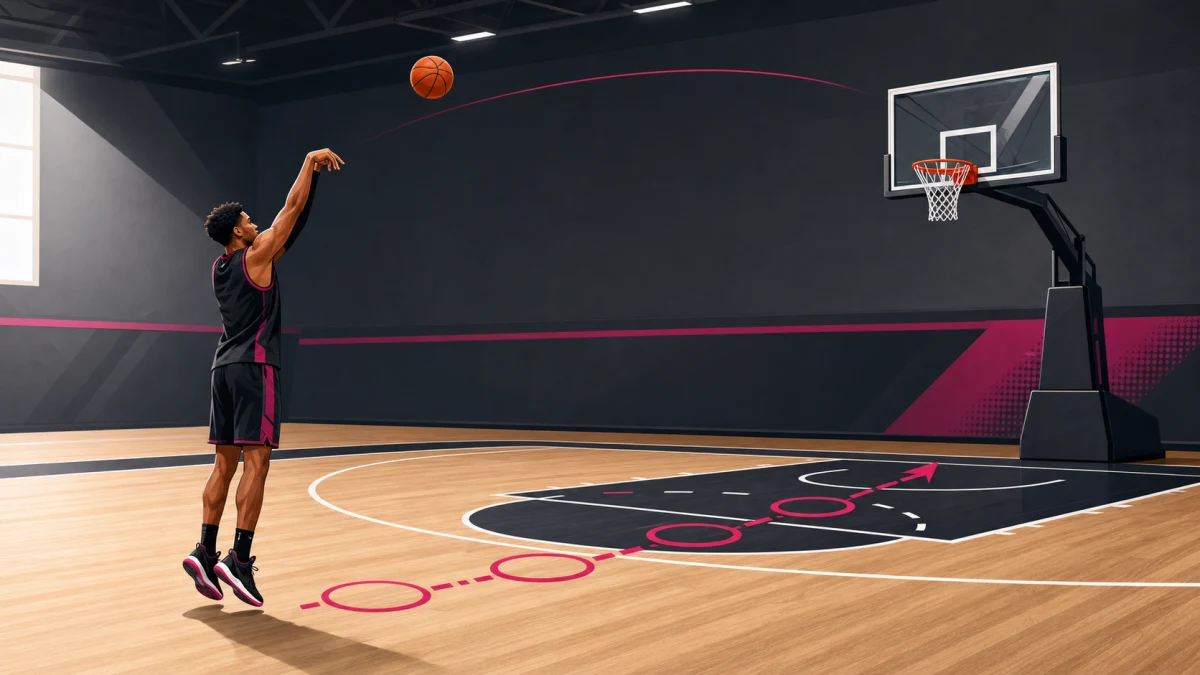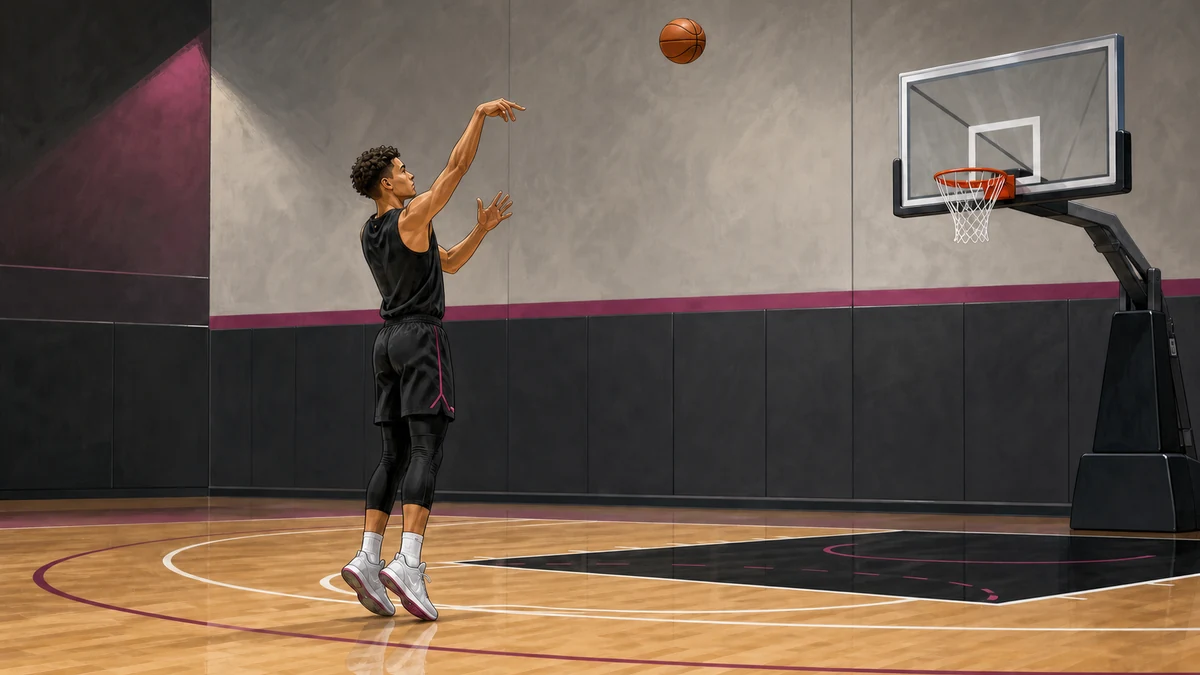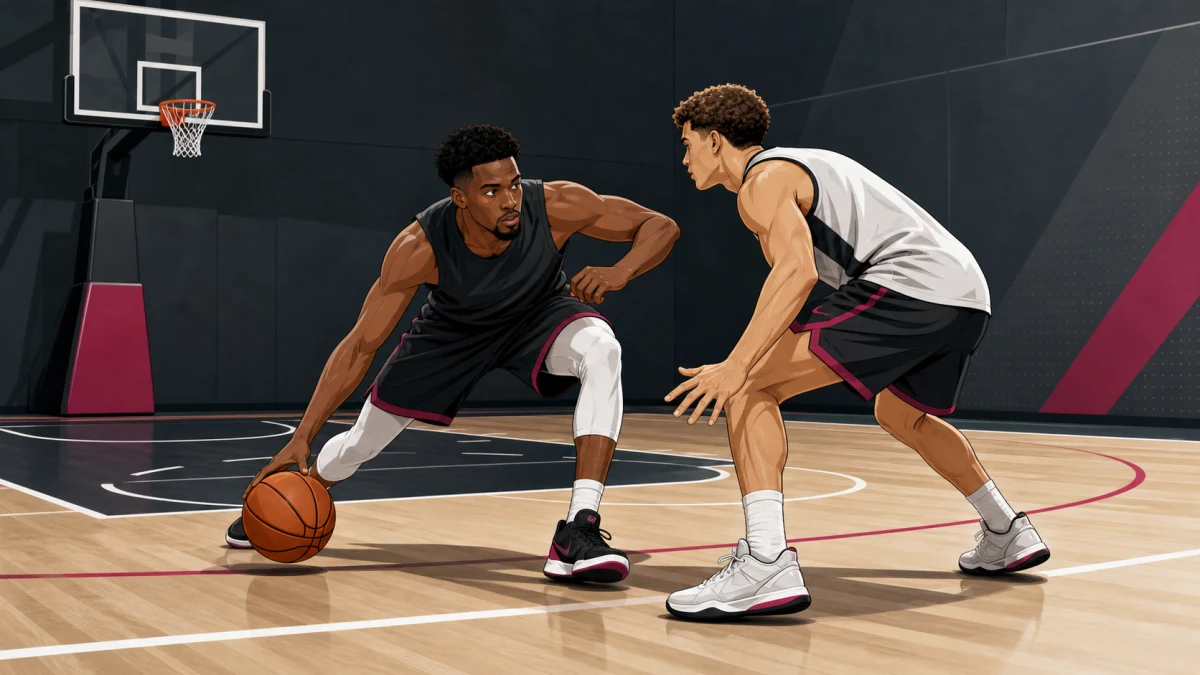

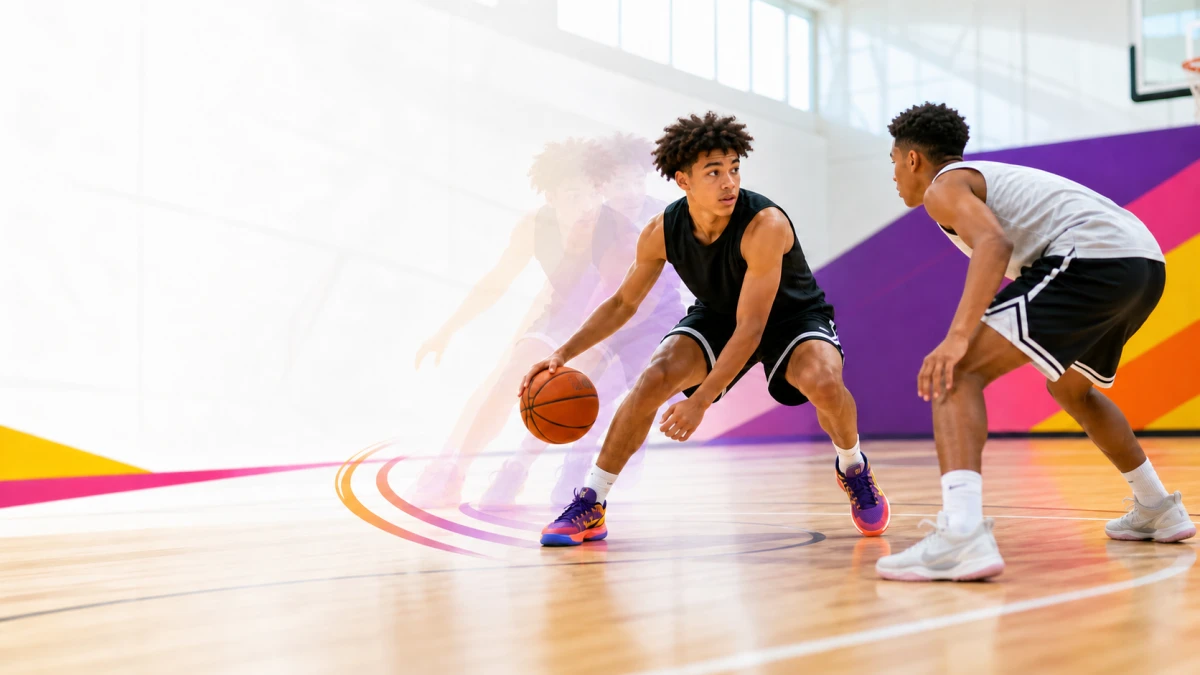
The short version: Build change of pace from posture and braking first. Control the ball with eyes up, sell the slow or stopped moment through your whole body, then re-accelerate only when the defender reacts. Progress from movement mirroring to constrained dribbling and finally a live defender.
Key takeaways
- Top speed matters, but contrast between speeds is what makes a defender adjust.
- A low balanced stance and bent legs let a player brake without standing up or losing the ball.
- A useful hesitation changes feet, shoulders, head, ball height, and timing—not just the dribble hand.
- The first step after the pause must take space past the defender rather than drifting sideways.
- Train the rhythm without a ball, then with the ball, then against a partner and a live defender who can react.
What does change of pace mean in basketball?
Change of pace is the controlled contrast between movement speeds. The WABC Level 1 manual notes that basketball sometimes demands maximum speed and sometimes a slower pace; in many actions, changing speed is what creates separation. A fast player who attacks every rep at one rhythm gives the defender an early answer. A slower player who can alter cadence, stop on balance, and leave at the right moment can still force a difficult read. WABC Coaches Manual Level 1 basketball footwork fundamentals
This skill needs its own practice. WABC warns that occasionally shouting “change speed” is not enough; players need activities at different speeds so they can recognize and control their own pace. The goal is not to perform a named hesitation on command. It is to own a slow, medium, stopped, and burst rhythm well enough to choose among them while protecting the ball and seeing the floor.
Why do posture and braking come before the burst?
A convincing slowdown begins with a position from which you could actually stop or go. WABC's basic stance uses flexed knees and hips, a low center of gravity, head up, and balanced weight slightly toward the toes. Straight legs delay the next move because the player has to bend before pushing. A tilted head or weight on the heels also creates an extra recovery motion before acceleration.
Braking is an active skill, not the absence of speed. WABC teaches both a one-count jump stop and a two-count stride stop, with bent legs and balanced weight central to each. For change-of-pace work, the useful lesson is broader than which stop you choose: absorb momentum without falling forward, keep the head centered, and finish in a stance that still permits a legal dribble, pass, shot, or new drive.
Step length can shape the rhythm before a complete stop. WABC connects small steps with slowing down and longer steps with quick acceleration. A player can therefore shorten cadence as the defender settles, load through a bent leg, and then lengthen the first attacking step. The tempo change is produced by the feet and body weight; the ball should stay synchronized rather than bouncing at a separate, predictable rhythm.
How do you make a hesitation believable?
A hesitation is a stop-and-go action. WABC's Level 1 cues ask the player to stop the feet, keep the knees bent, bring the dribble slightly above the waist, and lift the shoulders and head. Those details momentarily resemble a player preparing to gather, pass, or survey. The fake works because the defender reads the whole body—not because the ball briefly rises on its own. WABC Coaches Manual Level 2 ball-handling drills
Keep the eyes up and the ball on the protected side. WABC's dribbling guidance emphasizes using both hands, avoiding a stare at the ball, and choosing the hand farther from the opponent. During the pause, scan the defender's hips, feet, and reach. If the defender remains balanced and gives ground, continue under control. If the defender rises, leans, opens a hip, or lunges at the ball, the lane for re-acceleration has appeared.
What should the re-acceleration look like?
The burst should take useful space. WABC's direction-change sequence shortens the last step, bends the knee, transfers weight, and uses a longer first step to accelerate. Its Dribble Chicken activity adds a clear target: attack past the partner's hips instead of sliding sideways. The first step and push dribble should move the player's body beyond the defender's line, while the off arm stays natural and legal rather than extending to displace the defender.
Re-acceleration is conditional, not automatic. WABC Level 2 describes how a retreat can invite a defender to lunge, making the next direction change more effective. If the defender does not chase, the dribbler may have gained space to pass, shoot, or reset. Training should reward the read that preserves advantage, not a predetermined burst into a defender who never moved.
A four-stage change-of-pace progression
- Body-only mirror: in pairs, one leader cycles among a walk, jog, run, and balanced pause while the partner mirrors closely. Switch roles often so both players create and read cadence. Jr. NBA Starter Practice Plan — Page 8
- Ball-control mirror: repeat with a protected dribble, eyes up, both hands over the set, and no racing. The follower mirrors the rhythm rather than stealing the ball.
- Hesitation lane: attack a narrow lane, stop the feet with bent knees, lift the shoulders and head, then use a longer first step past a visual hip line. Score the rep only if balance and ball protection survive the burst.
- Live read: give a defender room to contain. The ballhandler may hesitate, retreat, continue slowly, or burst. Award the offense for creating a clean advantage and the defense for staying balanced—not for completing a scripted move.
Adjust the constraint before adding volume. A newer player might work in a wider lane with a guided defender and one pace change. An experienced player can use a tighter space, weaker hand, limited dribbles, or a scoring decision after the burst. That level-aware progression matches the broader purpose of USA Basketball's development curriculum: coaching tasks should fit the player's stage rather than imitate an advanced rep without its prerequisites. USA Basketball Player Development Curriculum how to progress basketball drills toward game transfer
What should a coach measure?
| Moment | Passing evidence | Common repair |
|---|---|---|
| Approach | Eyes up, protected hand, at least two distinct rhythms | Reduce speed until the player can see and control the ball |
| Brake or pause | Knees stay bent, weight stays centered, no forward stumble | Shorten the approach and rehearse the stop without a ball |
| Sell | Feet, shoulders, head, and ball rhythm agree | Make the whole body show a believable slow or gather moment |
| Read | Player reacts to the defender instead of launching on a fixed count | Give the defender two allowed responses and ask the player to name the cue |
| Exit | Long first step attacks the hip while the ball remains protected | Place a floor target beyond the hip line; reject sideways drift |
Do not use “faster” as the only score. Count clean pace contrasts, balanced pauses, eyes-up reads, first steps that cross the hip line, and possessions that end in a useful pass, shot, or continued advantage. If the player loses the ball, stands upright, predetermines the move, or crashes into the defender, lower the speed and restore the missing layer before making the drill harder.
Frequently asked questions
Is change of pace just a hesitation dribble?
No. A hesitation is one stop-and-go option. Change of pace also includes walking into a run, shortening steps before a burst, retreating to invite pressure, and continuing slowly when the defender does not react. The larger skill is controlling rhythm and choosing the next speed from the defender's response.
Should I stand up during the pause?
Lift the shoulders and head enough to sell the hesitation, but keep the knees bent and balance available. Fully straightening the legs adds time before the next push and can make the ball easier to attack. The fake should suggest a change of intention without removing your ability to move.
How fast should the burst be?
Fast enough to exploit the reaction while remaining under control. The useful contrast may be a walk to a firm drive, not always slow to maximum sprint. If the first step drifts sideways, the ball escapes the protected hand, or the player cannot see the defender, the chosen speed is ahead of the current technique.
When should I add a live defender?
Add one after the player can show distinct speeds, stop on balance, keep the eyes up, and leave with a protected first step. Begin with a guided defender or limited choices, then expand the defender's freedom. The purpose of live defense is to create a decision, so do not require the same move regardless of what the defender does.