
Level Up Basketball
How technology is changing the way basketball is trained, measured, watched, and understood - with the evidence, limitations, and practical implications made clear.
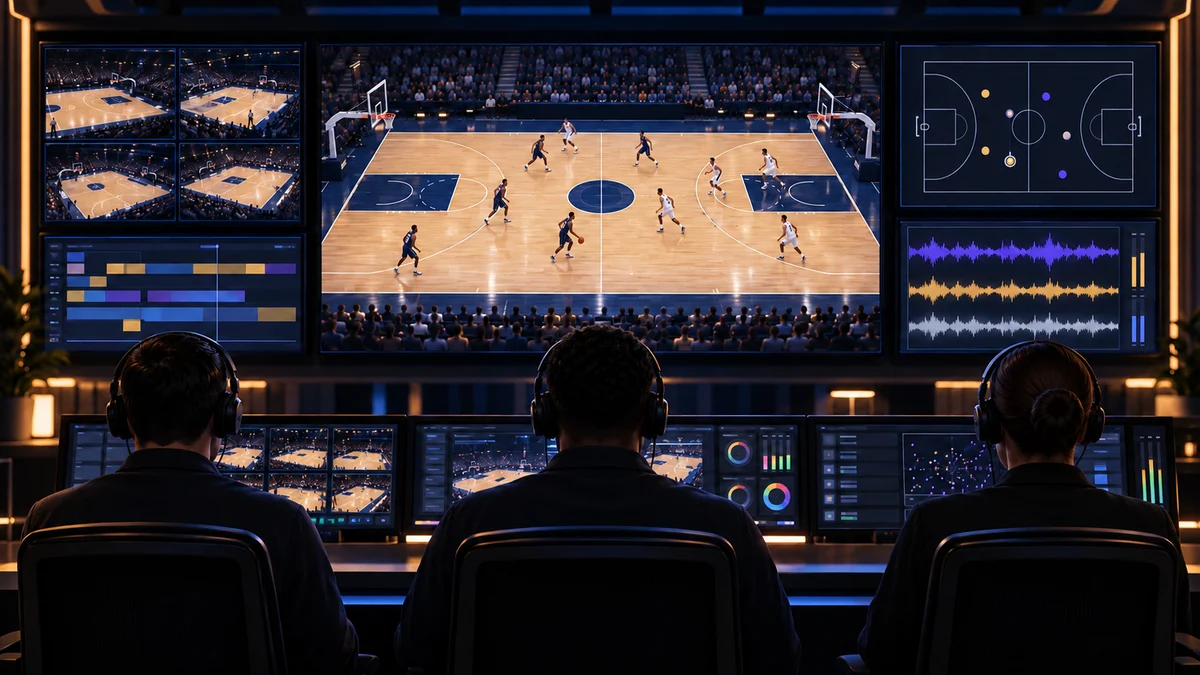
A clear way to separate capture, camera coverage, AI-assisted analysis, replay, distribution, and personalized feeds in modern basketball broadcasts.
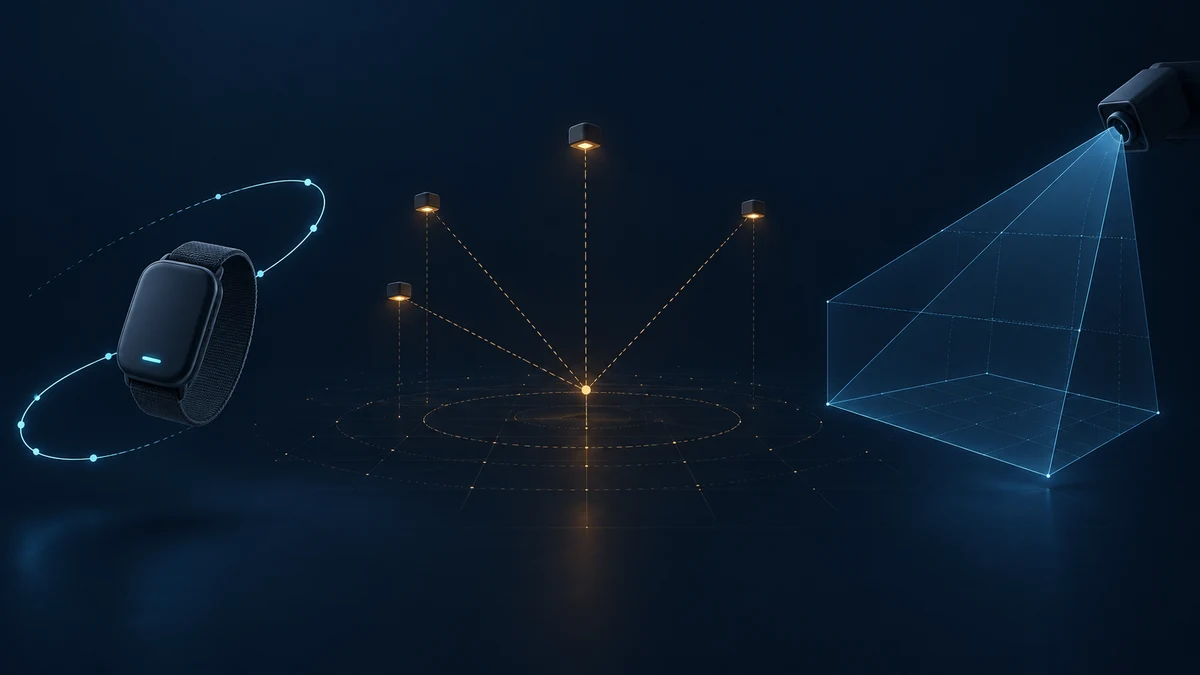
A source-bound guide to FIBA test events, assessed tracking metrics, and NIST’s language for accuracy and uncertainty.
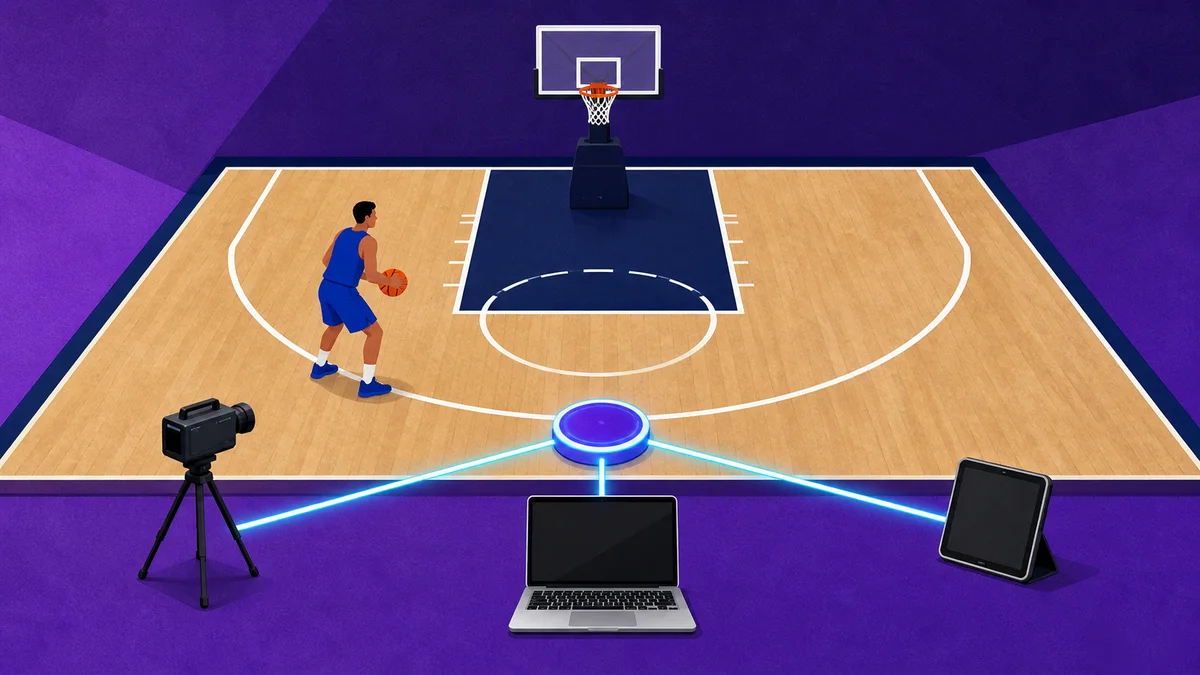
Basketball tools become genuinely connected only when identity, clocks, event meaning, permissions, and recovery rules travel with the data.
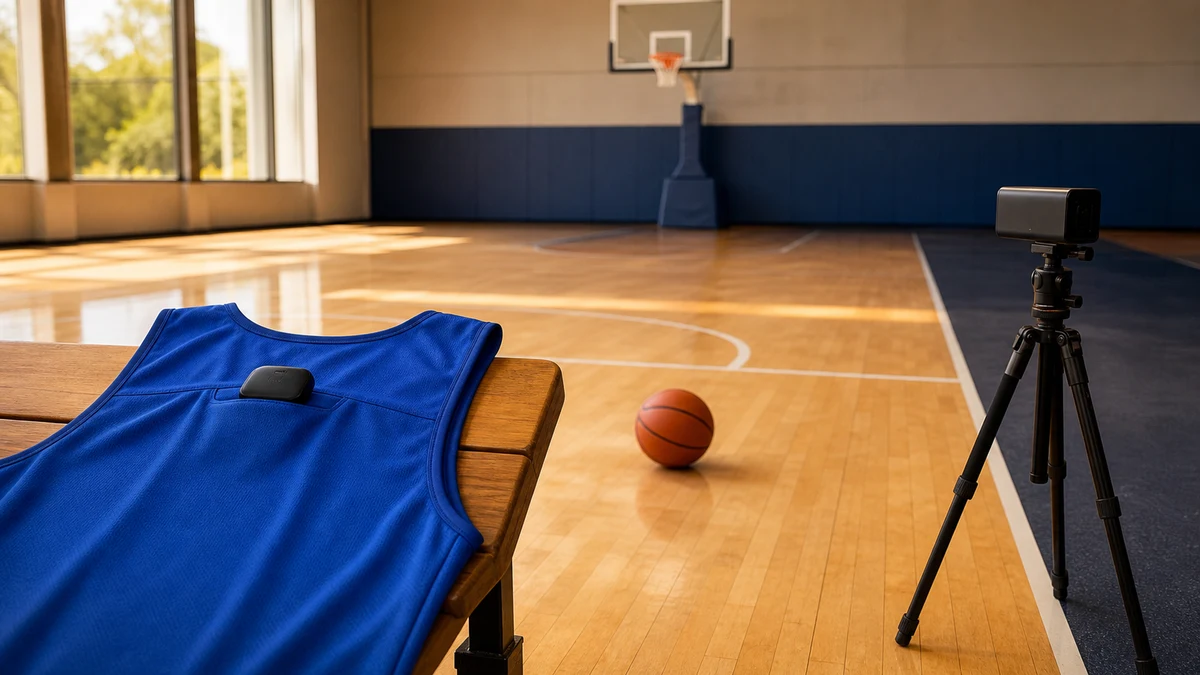
A wearable sensor and a camera system begin with different evidence. Compare the measurement chain and the intended basketball task before choosing between their dashboards.
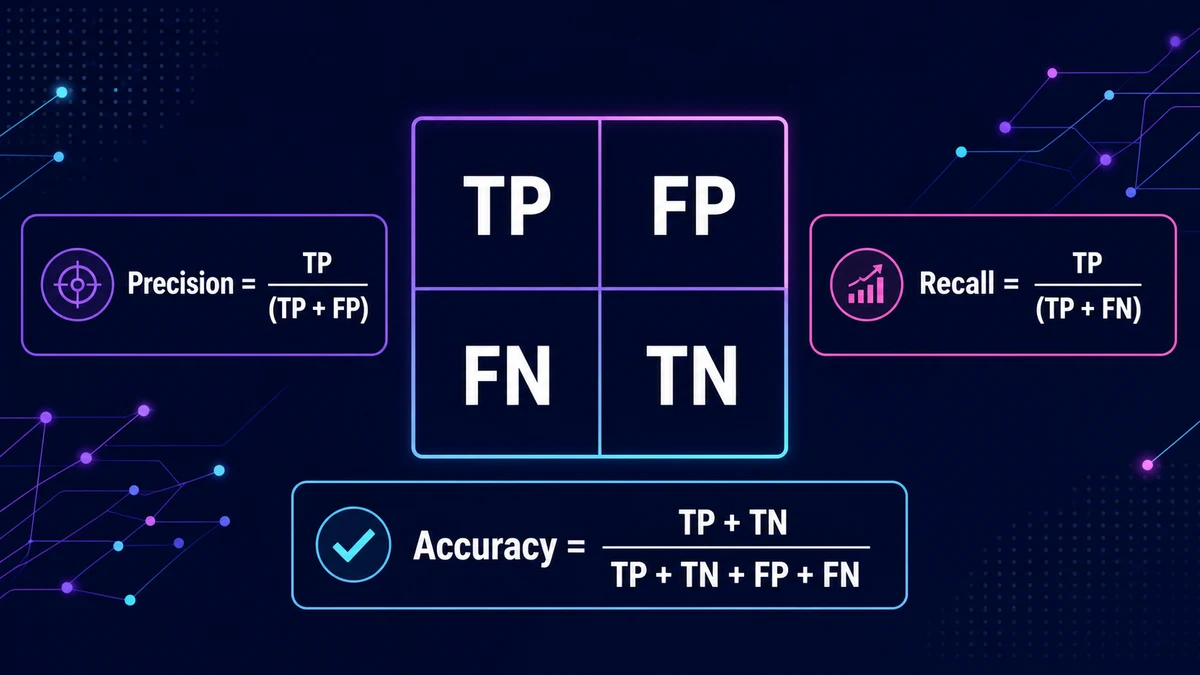
Evaluating AI basketball coaching tools involves understanding machine learning metrics and established risk management frameworks.
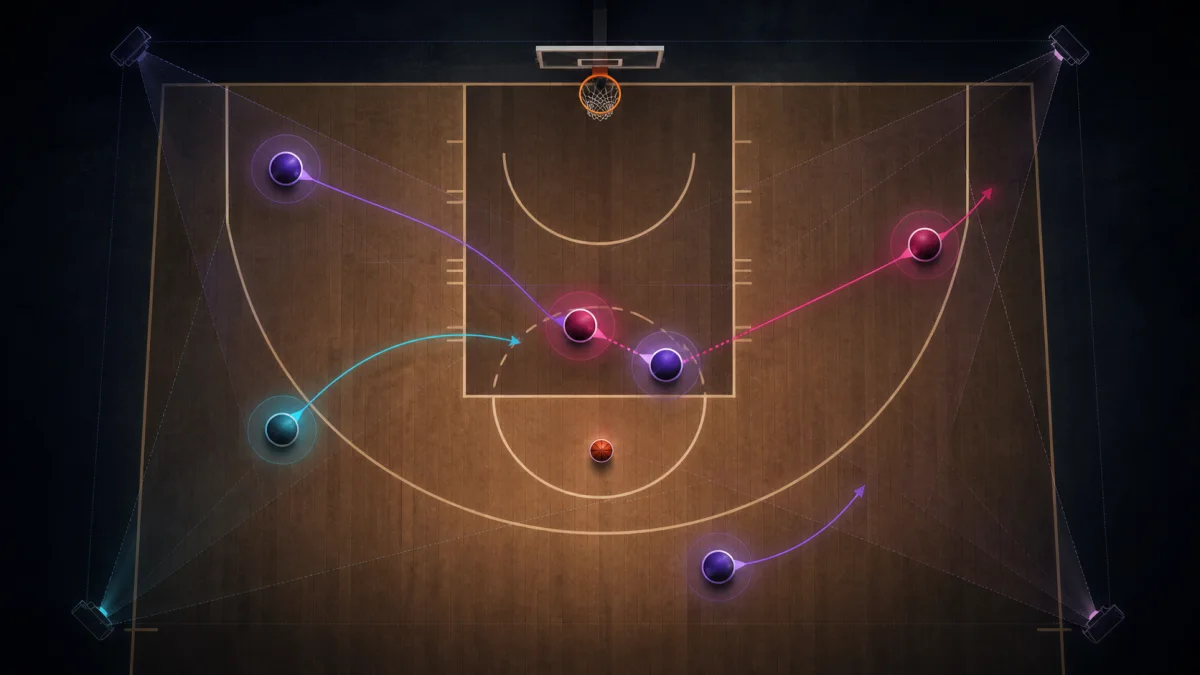
Bodies overlap, the ball hides behind hands, and broadcast views move. Occlusion is the point where basketball tracking must reason across time instead of trusting one frame.
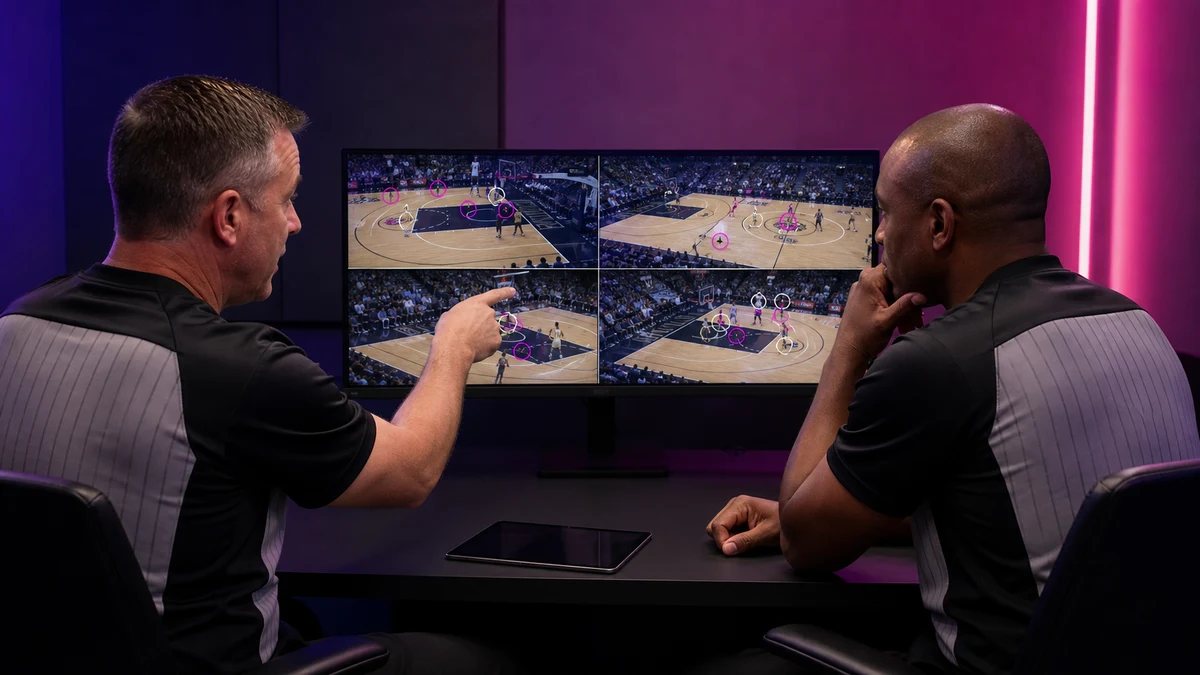
Referee technology does not replace judgment with one score. It organizes evidence so officials and instructors can review decisions, positioning, mechanics, and patterns together.
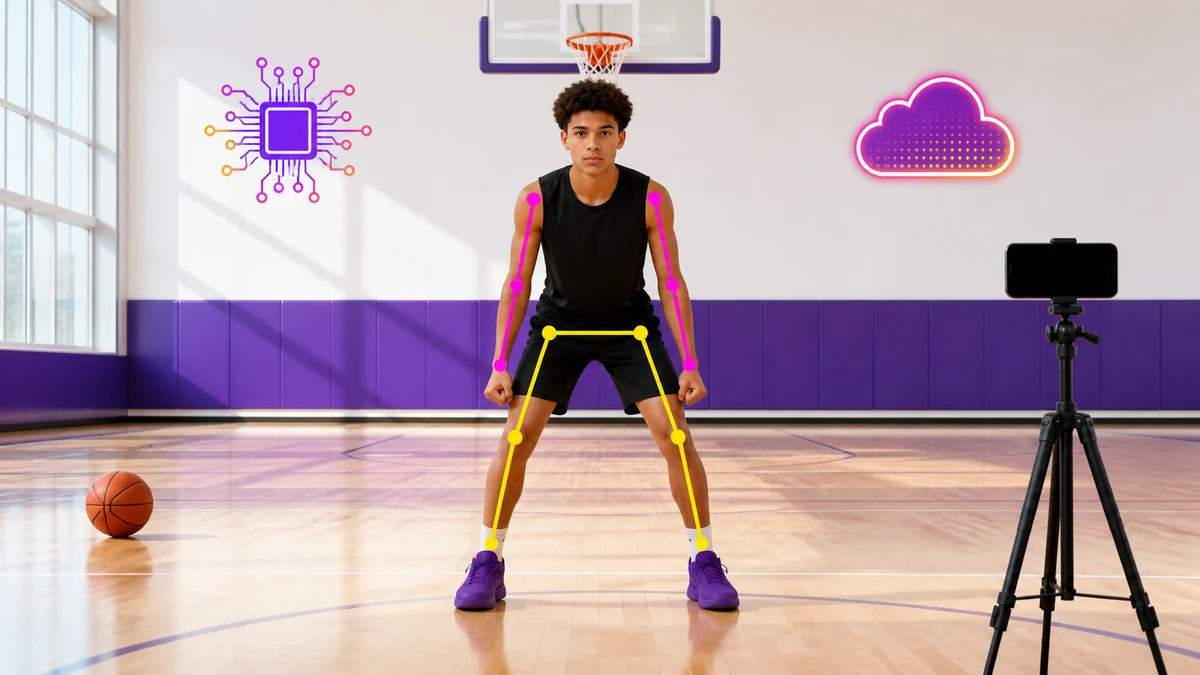
A phone can detect body landmarks and run useful movement logic without uploading every frame. The product challenge is deciding which work belongs on the device, which belongs in the cloud, and what happens when the phone gets hot.
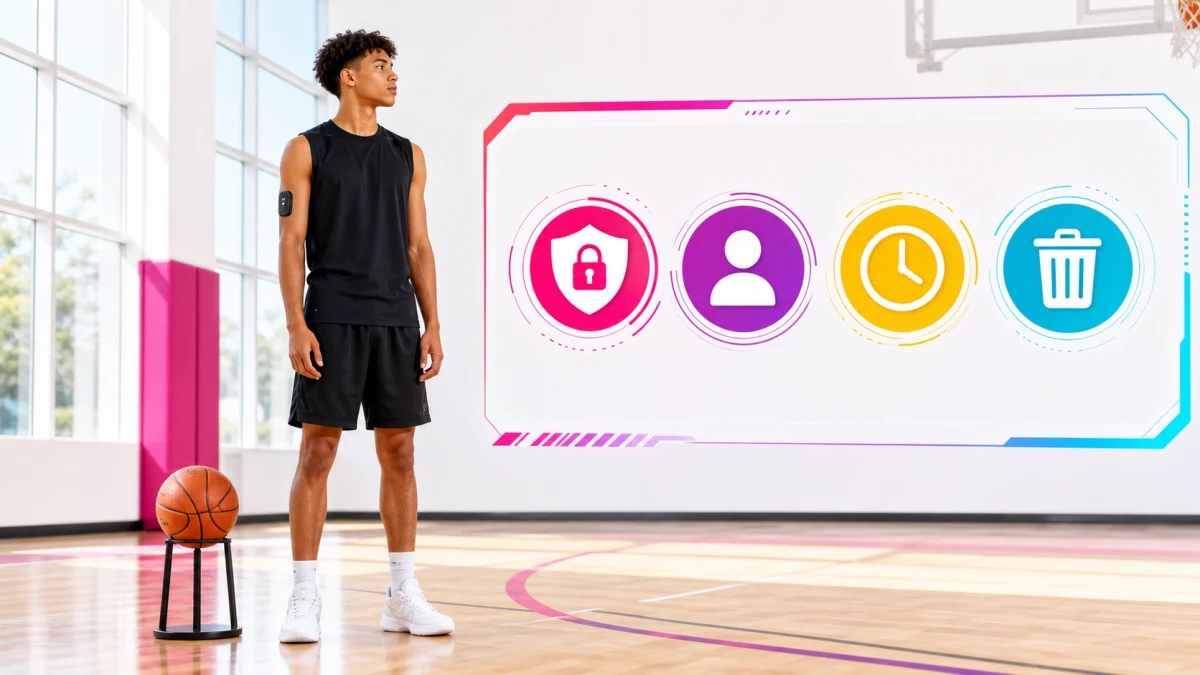
Player tracking can turn movement into useful feedback. It can also turn a practice into a lasting data record, so consent, access, retention, and deletion need product-level answers.
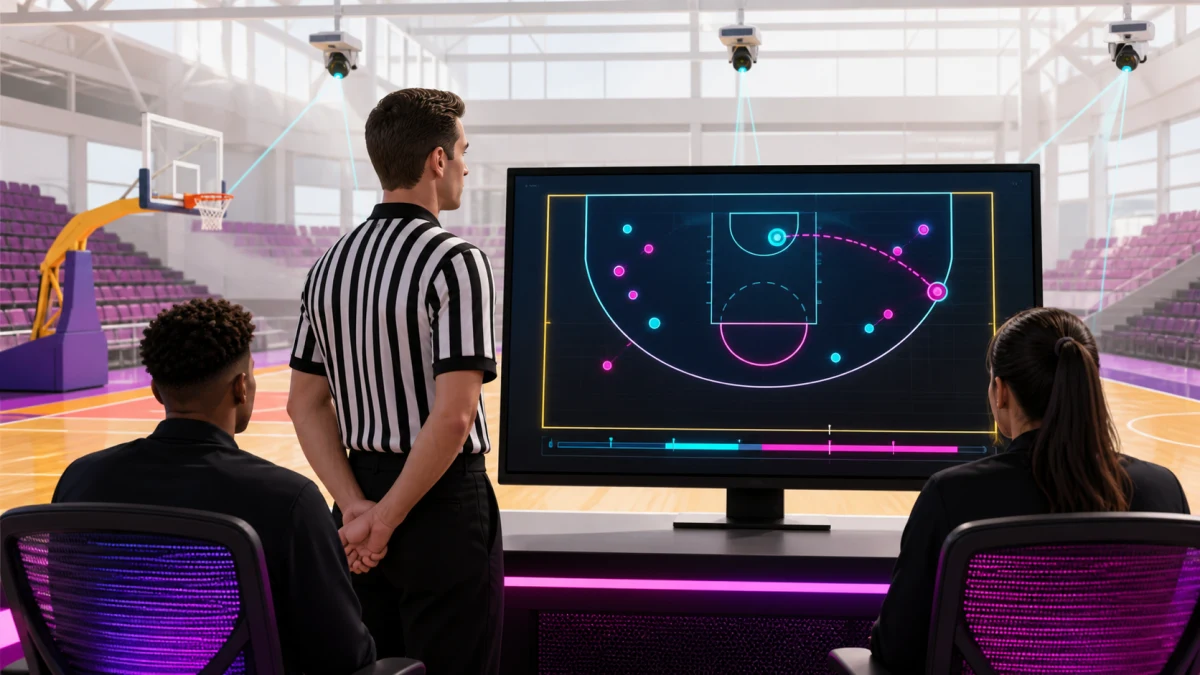
Basketball already uses optical tracking, centralized replay, review rules, and referee communications. That is not the same as an autonomous referee. Here is the real stack, the current boundary, and the most credible next steps.
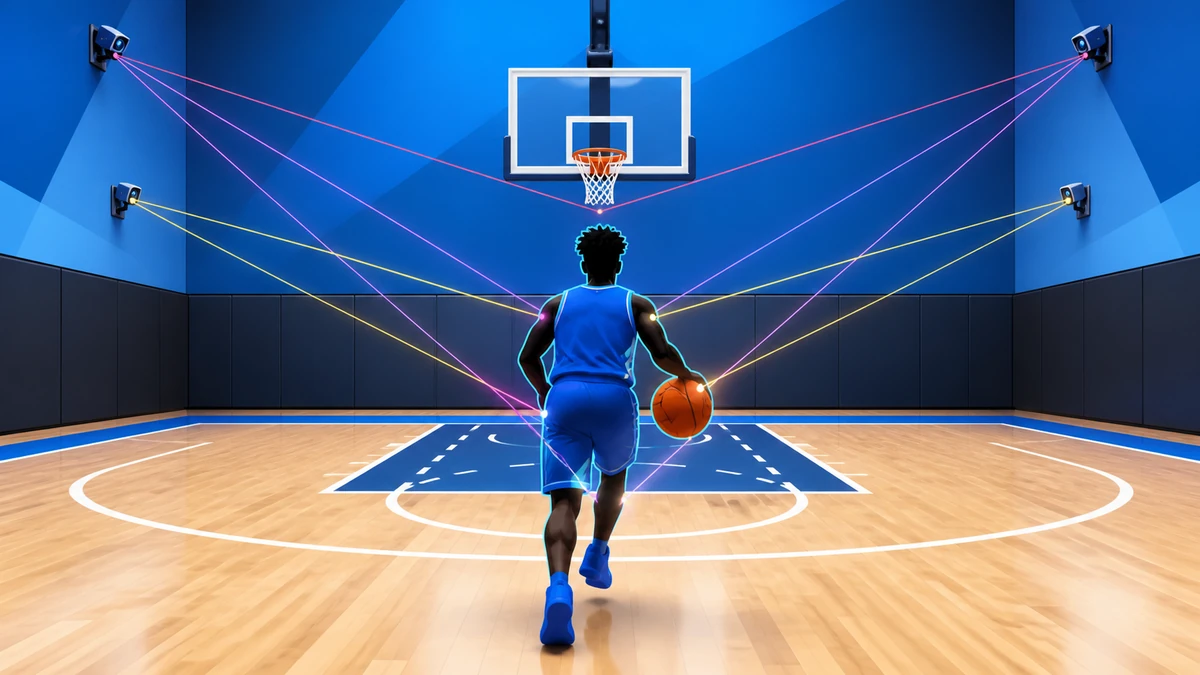
A practical guide to the camera-based tracking systems increasingly used in basketball, from coordinates and motion to the limits behind a clean-looking data feed.
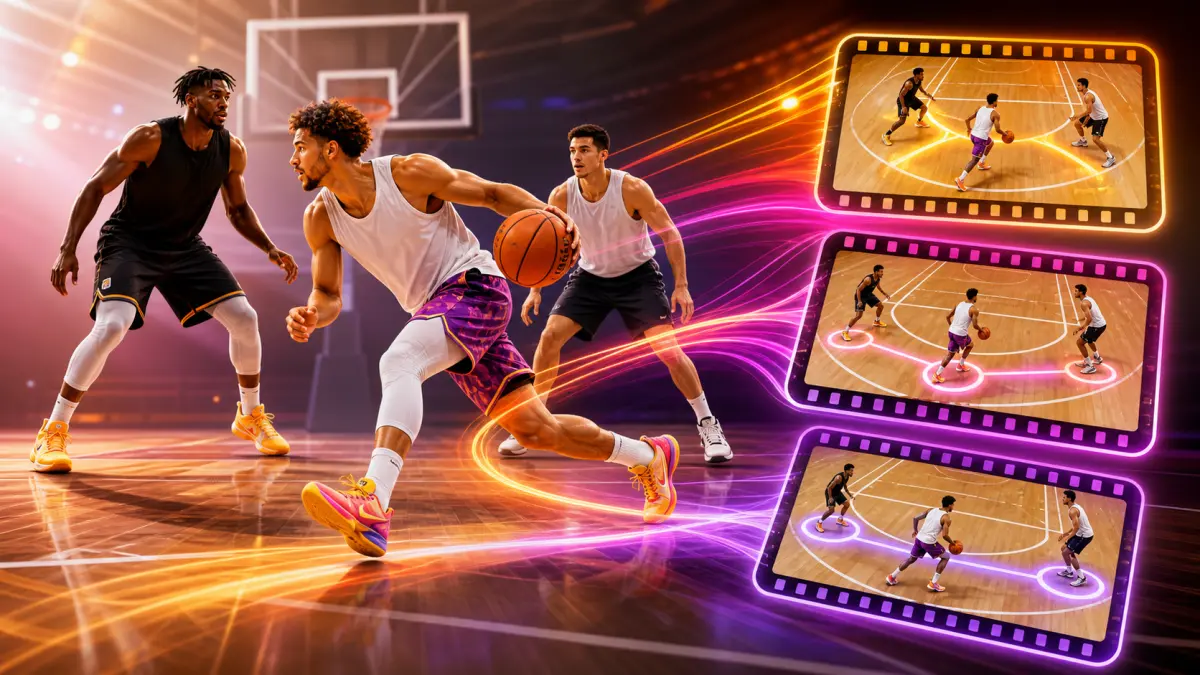
A play finder is best understood as a retrieval system: it organizes movement patterns, finds comparable possessions, and gives humans a faster route back to film and context.
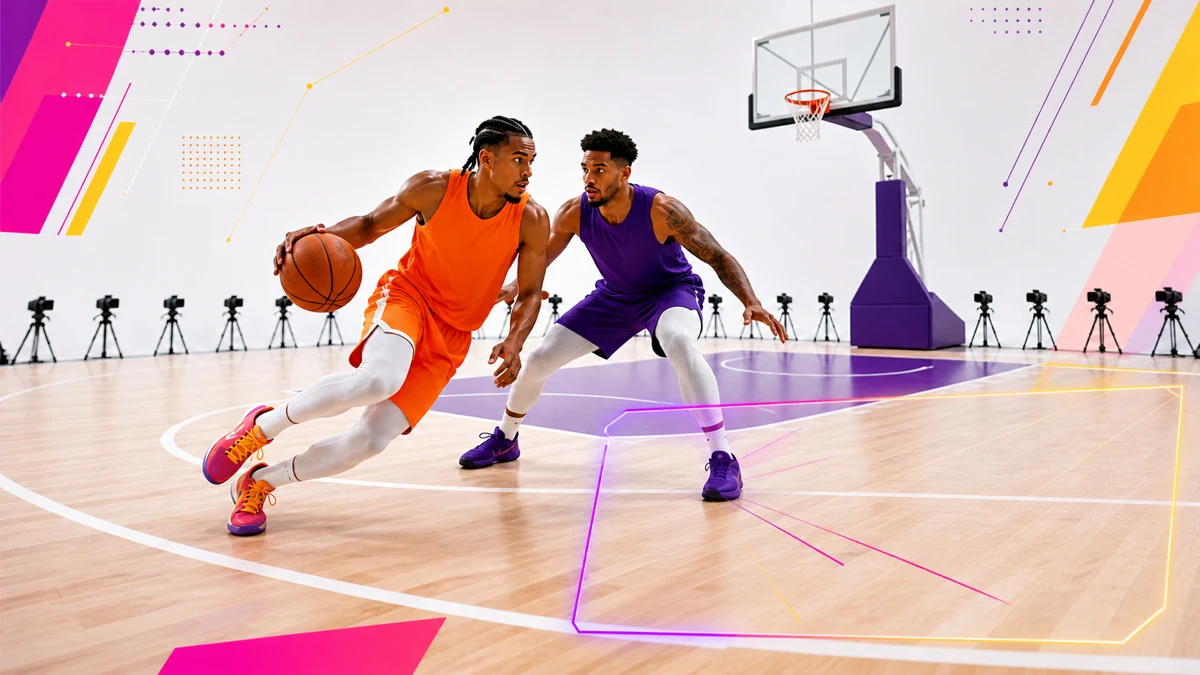
A courtside-looking POV can be reconstructed from many cameras and a 3D scene. It is not automatically raw footage from a camera worn by the player.
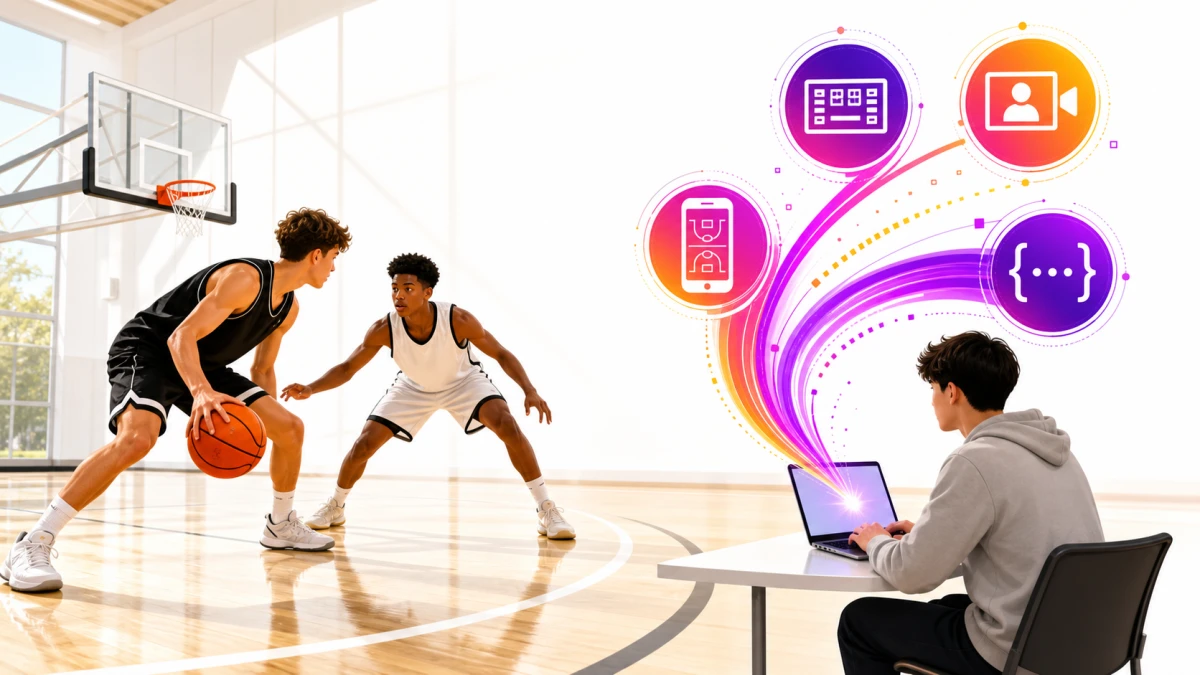
A box score does not appear by magic. One event begins with a courtside decision, then travels through interfaces built for coaches, venues, media, apps, and fans.
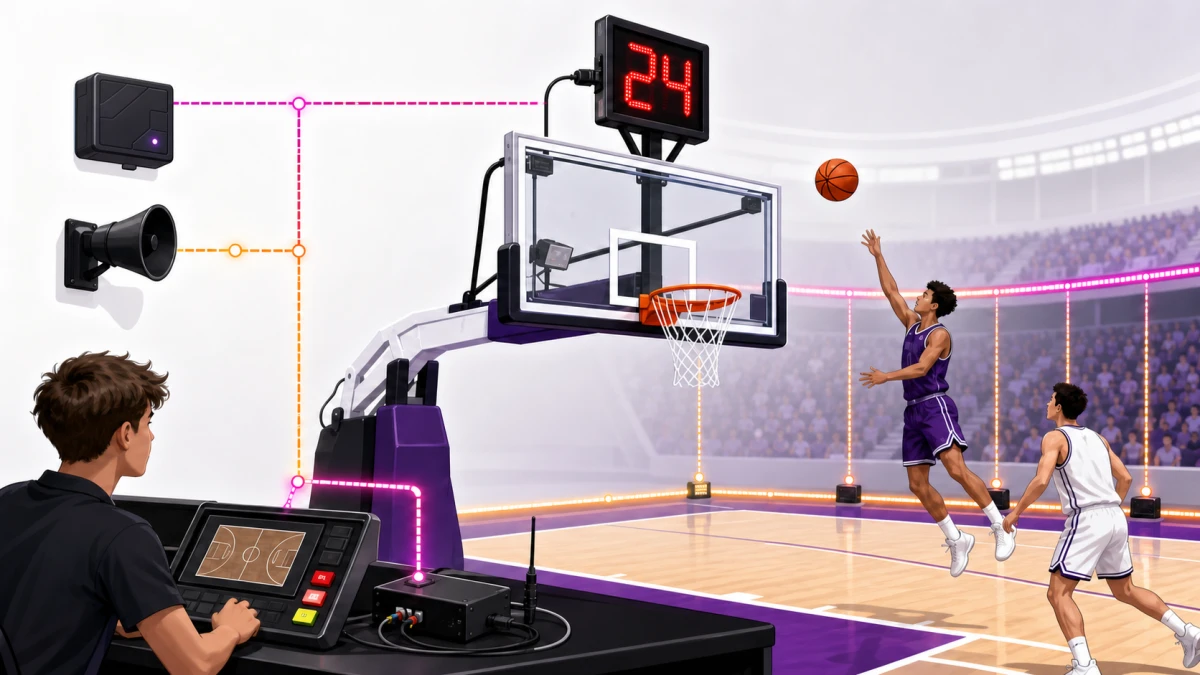
The number over the backboard is only the visible edge of a coordinated system: a rule-defined possession timer, a trained operator, connected arena hardware, officials, and replay correction.
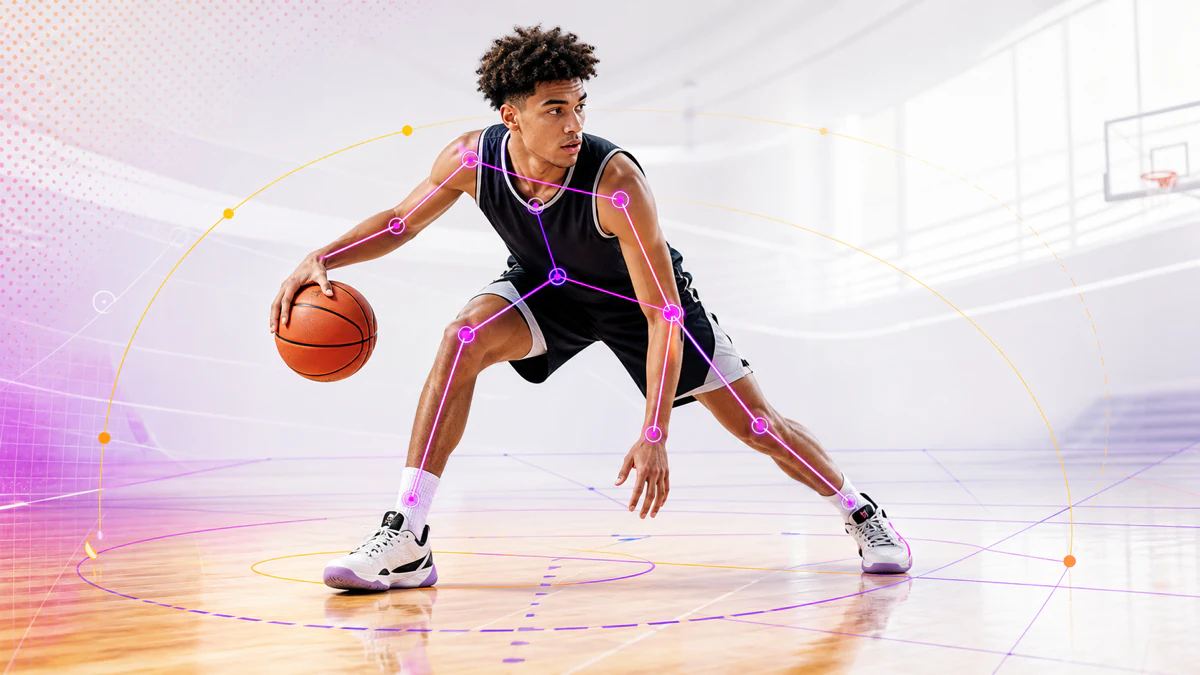
Camera-based basketball analysis can reveal movement and spacing, but every useful number sits on top of detections, tracking, calibration, and uncertainty.
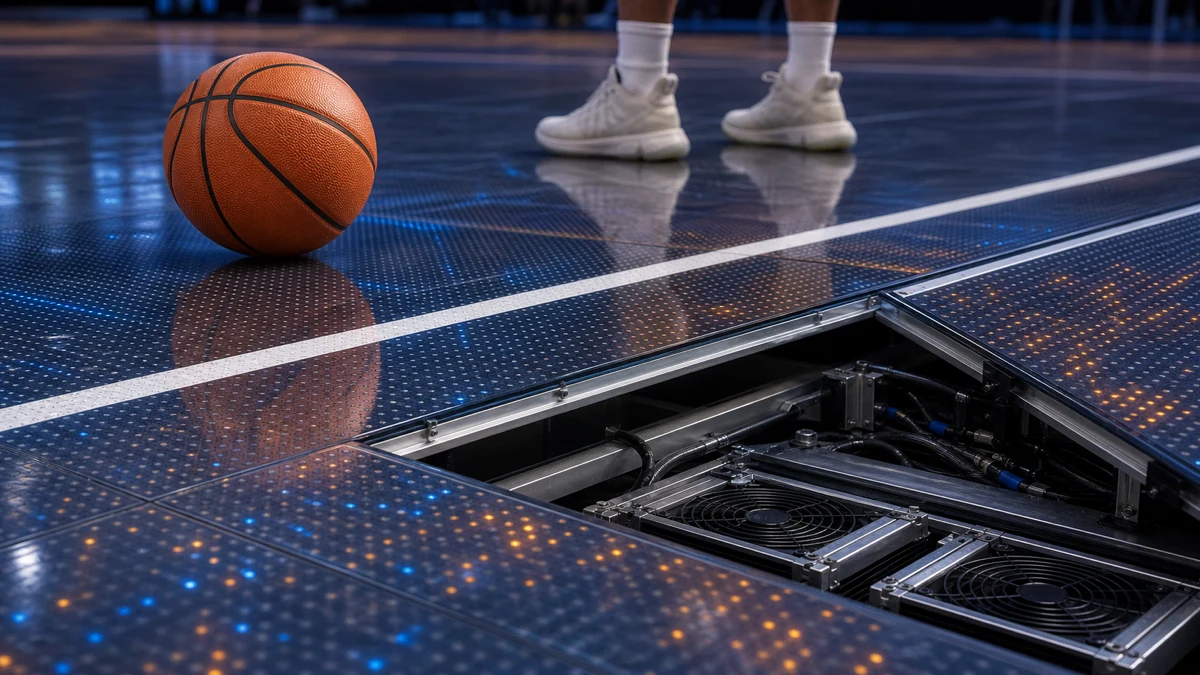
A deep dive into the engineering, regulatory standards, and arena tradeoffs of the modern LED glass basketball court.
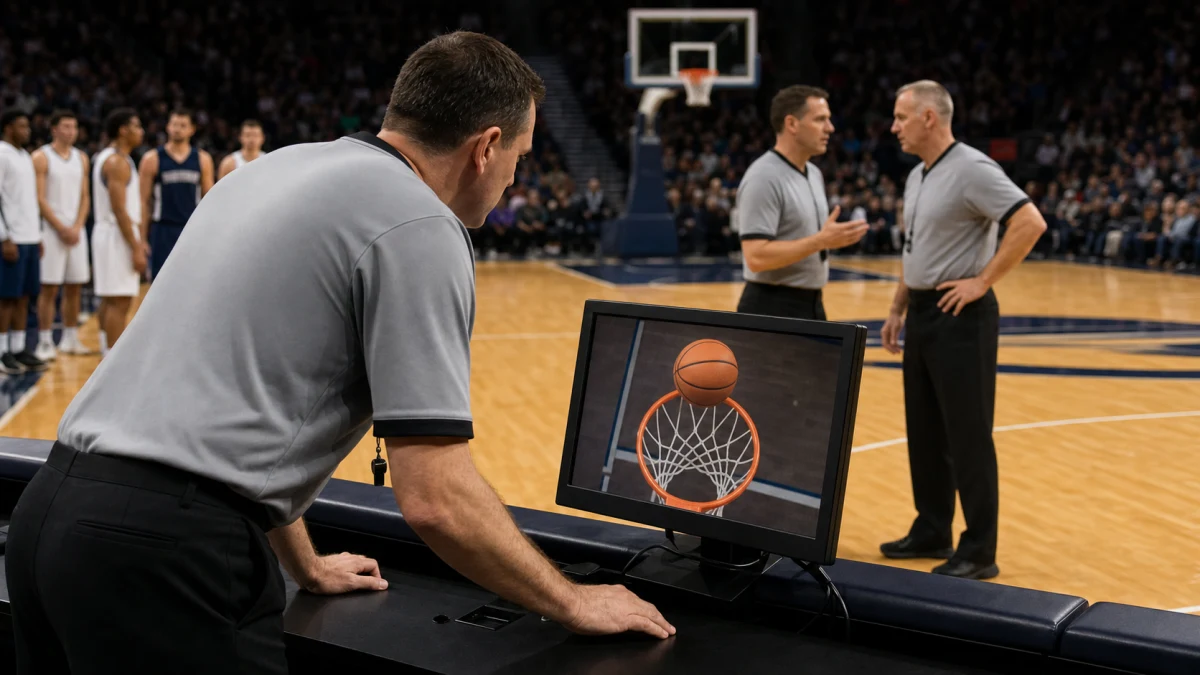
A comprehensive guide to the technical and legal frameworks of basketball replay, from the NBA Replay Center to FIBA's upcoming 2026 rule updates.
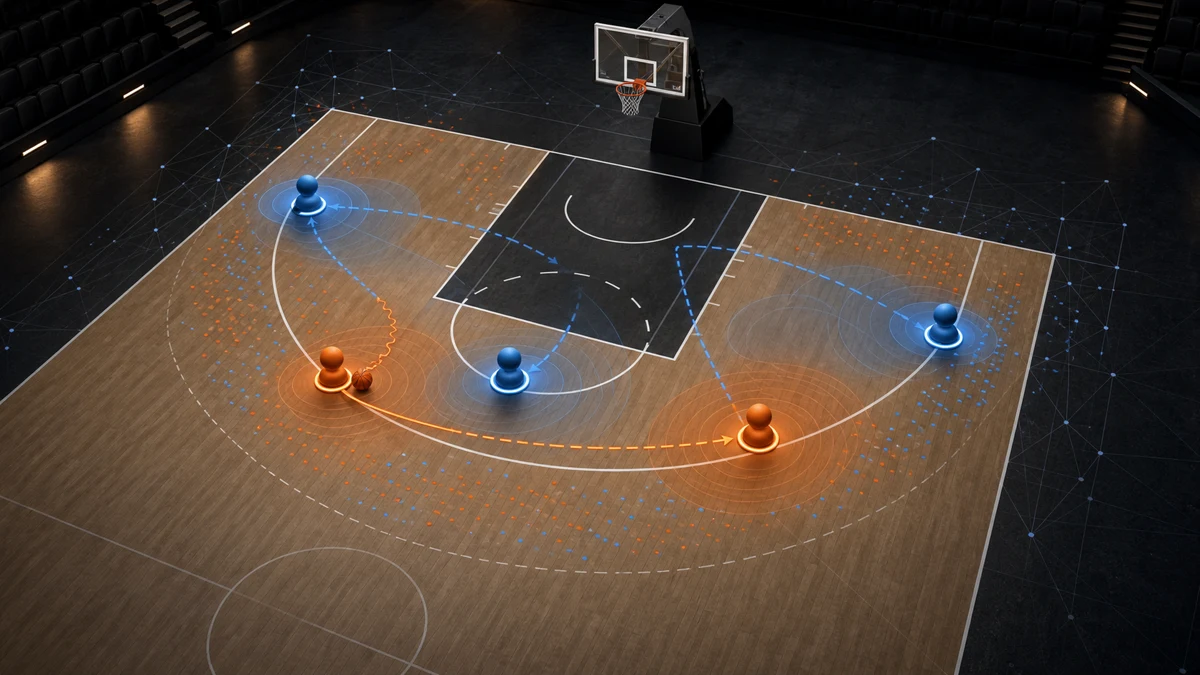
Demystifying the technology behind modern basketball analytics, from 3D pose detection to the NBA's new Gravity metric.
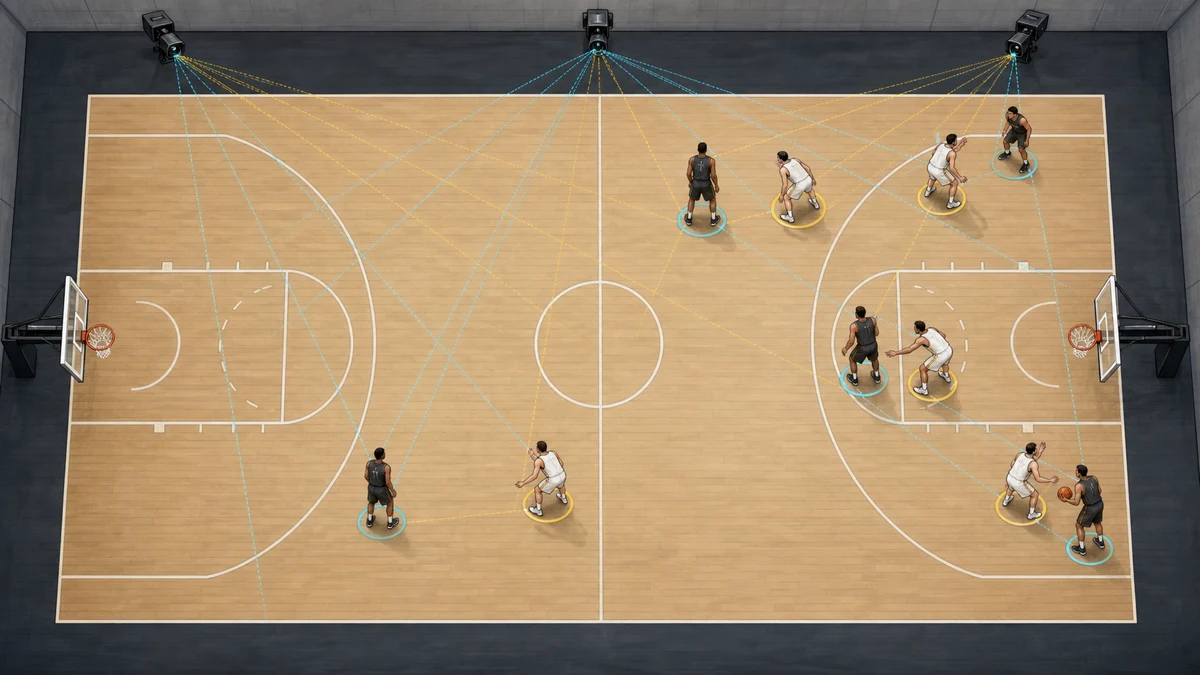
As FIBA rolls out its 2026 technology approval roadmap, we examine the mechanics of automated video, the physics of optical tracking, and how buyers can spot vendor overpromises.
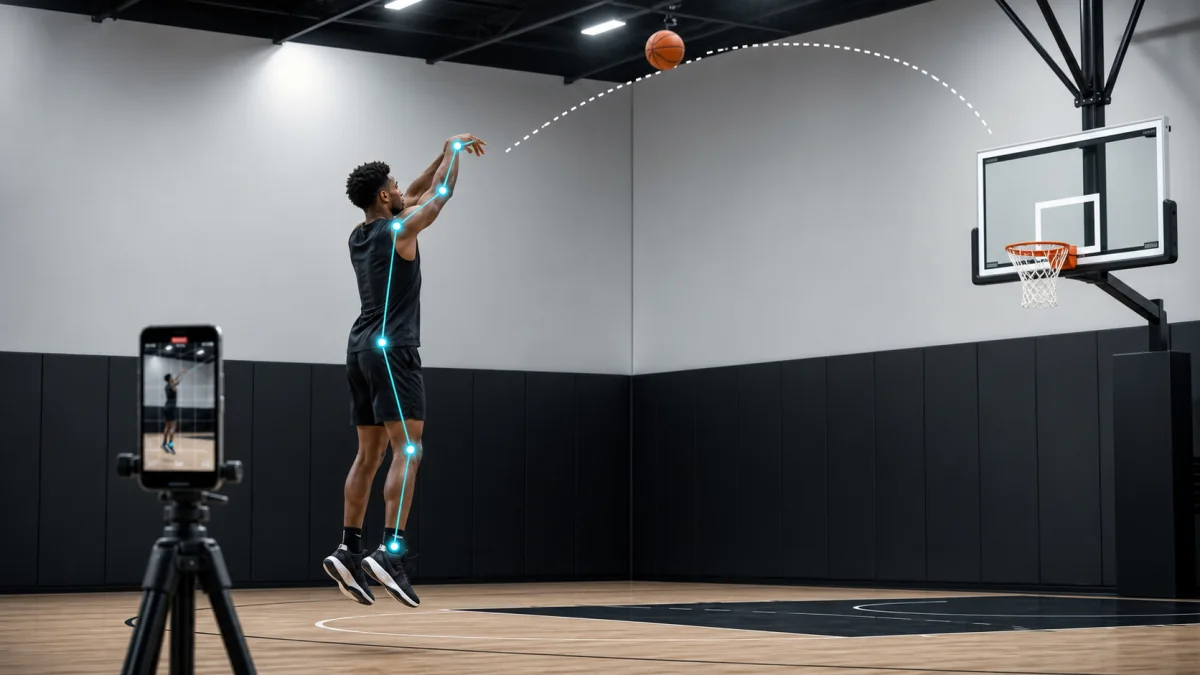
Mobile AI apps promise to perfect your jump shot using just a smartphone camera. We break down the underlying computer vision technology, its physical limitations, and how to separate real mechanical insights from false precision.
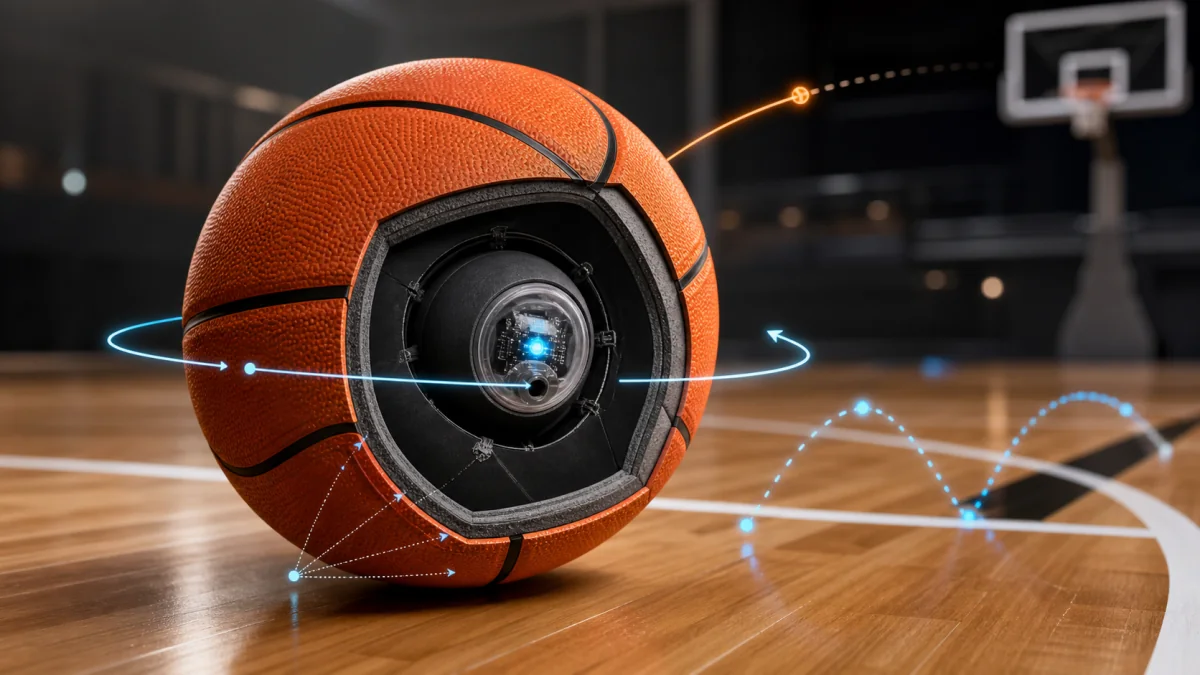
Smart basketballs are often marketed as AI-powered coaches, but they are actually highly calibrated physics packages. By capturing raw inertial data through invisible in-valve sensors, they measure spin, launch angle, and velocity without compromising the ball's natural feel.
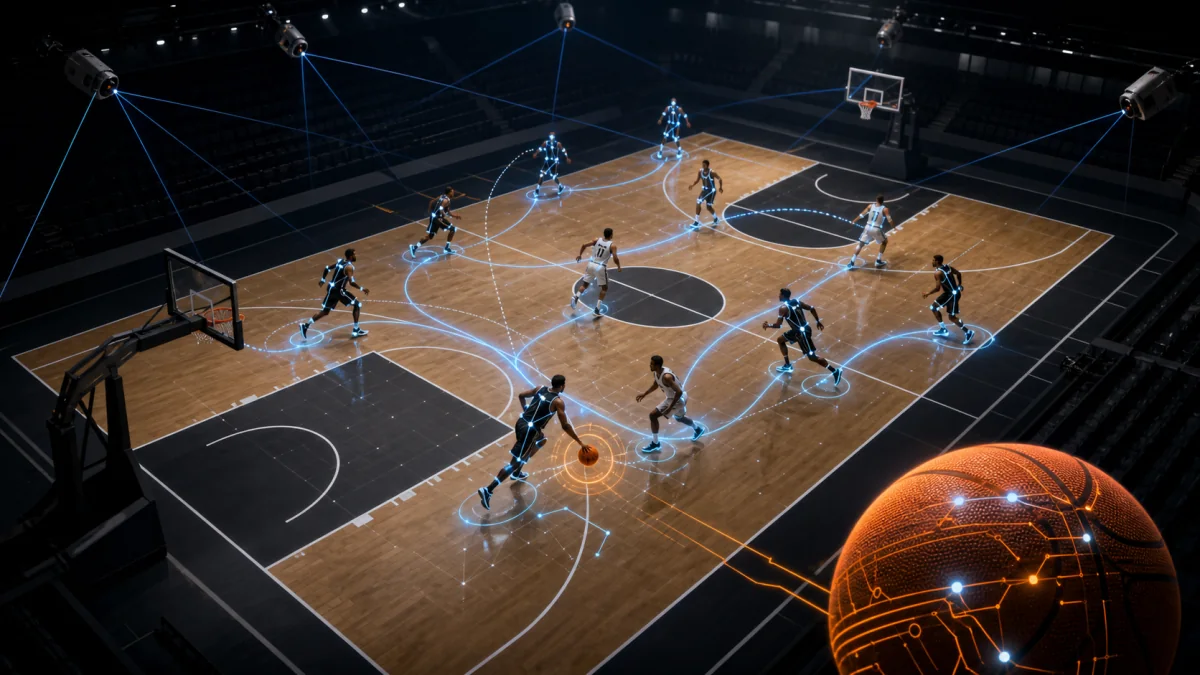
A guide to understanding what basketball tracking systems actually measure versus what they estimate, grounded in FIBA's latest validation standards.
Turn what you just read into reps. The Level Up app films your shot and grades your form with an AI coach, so you know exactly what to fix.