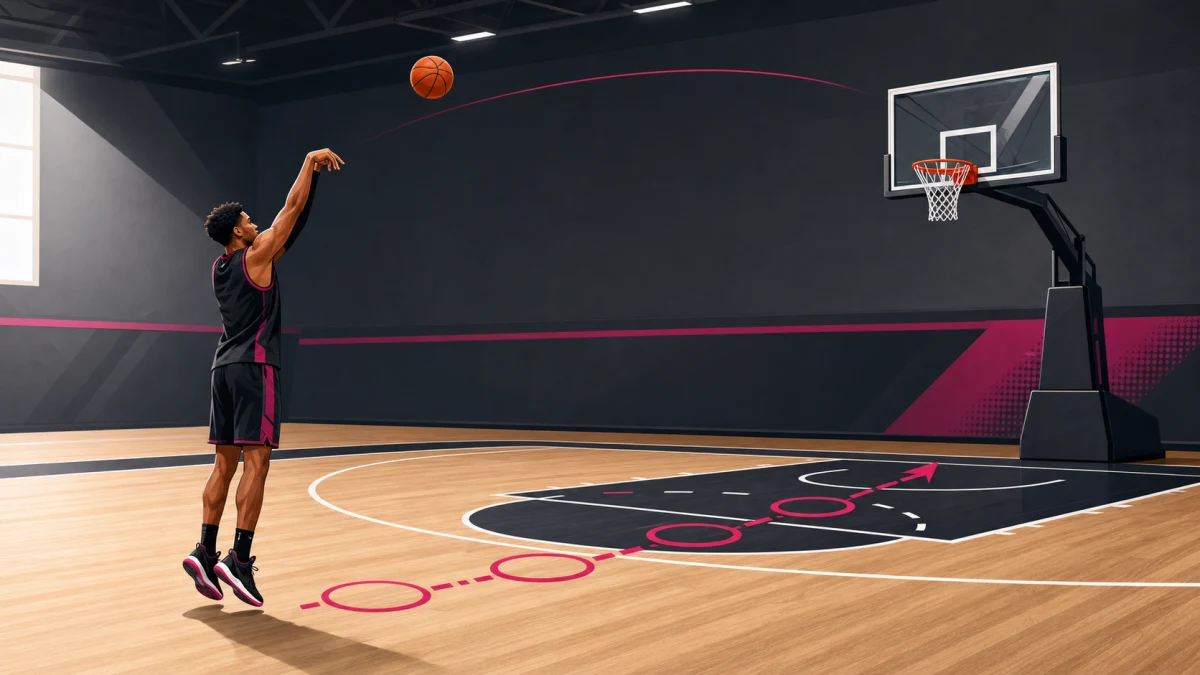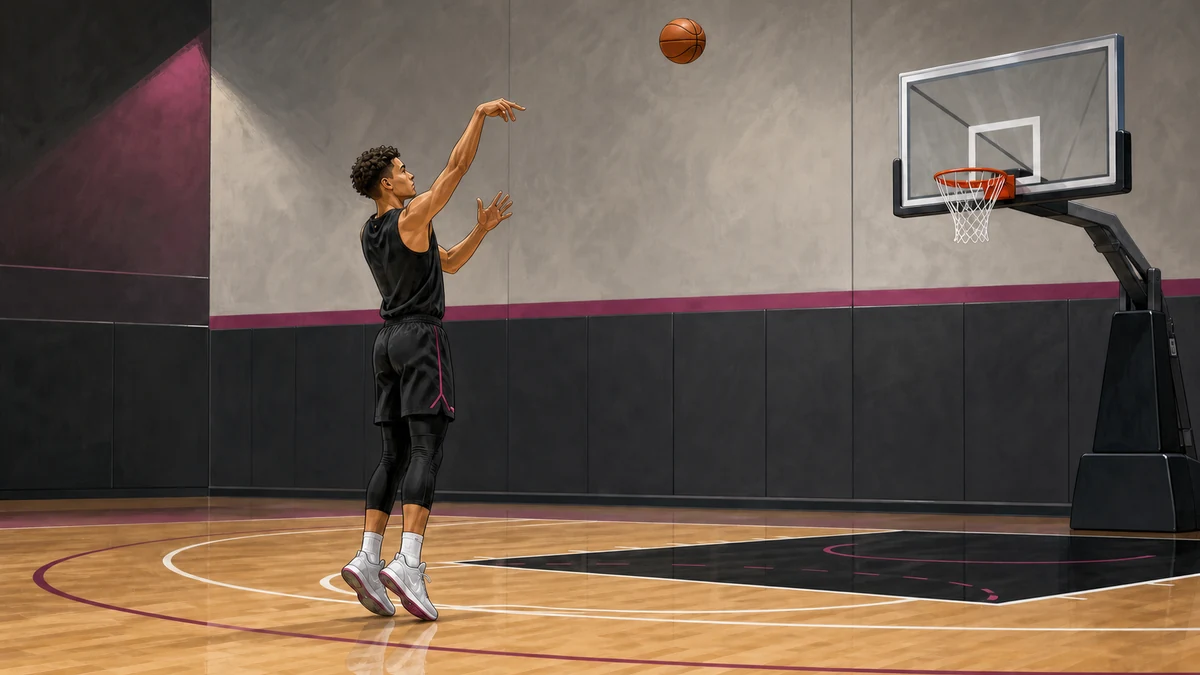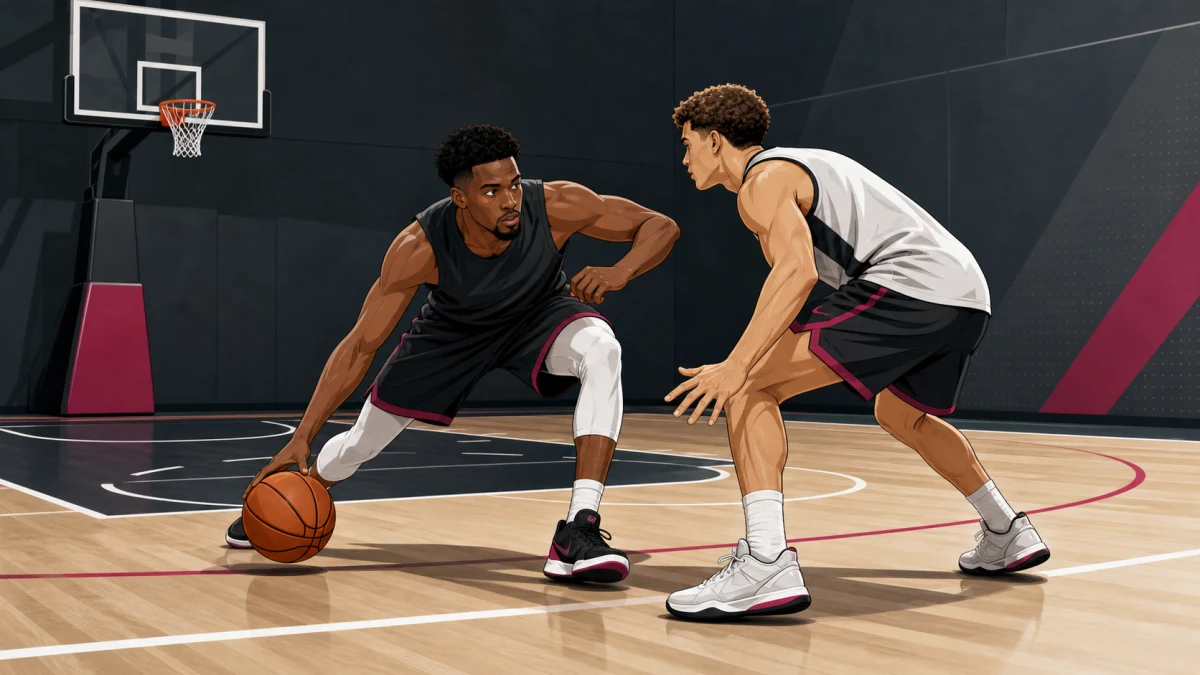

The short version: By mastering balanced stops and forward and reverse pivots, players can move effectively on the court.
Key takeaways
- The jump stop, pivot, and jab step are the first fundamental movements players should learn to create space without traveling.
- A stride stop is highly recommended for young players because landing one foot after the other makes establishing balance easier.
- Pivoting requires staying low and balanced, using a chin-to-shoulder check to locate the defender before moving.
- First-step options like onside and crossover steps allow perimeter players to attack defenders effectively.
Why Footwork is the Foundation of Basketball Skills
According to the Jr. NBA, the jump stop, the pivot, and the jab step are fundamental movements that should be taught first to help players move and create space without travelling or losing balance. Footwork & Conditioning - NBA.com: Jr. NBA
According to the WABC Coaching Level Manuals Level 1 English, all young players should be taught basic perimeter skills. These basic perimeter skills include getting open, facing the basket, passing, dribbling, and shooting. WABC Coaching Level Manuals Level 1 English
According to the WABC Coaching Level Manuals Level 1 English, when players are executing these various perimeter moves on the court, the focus must be on beating the opponent.
Mastering the Stride Stop and Jump Stop
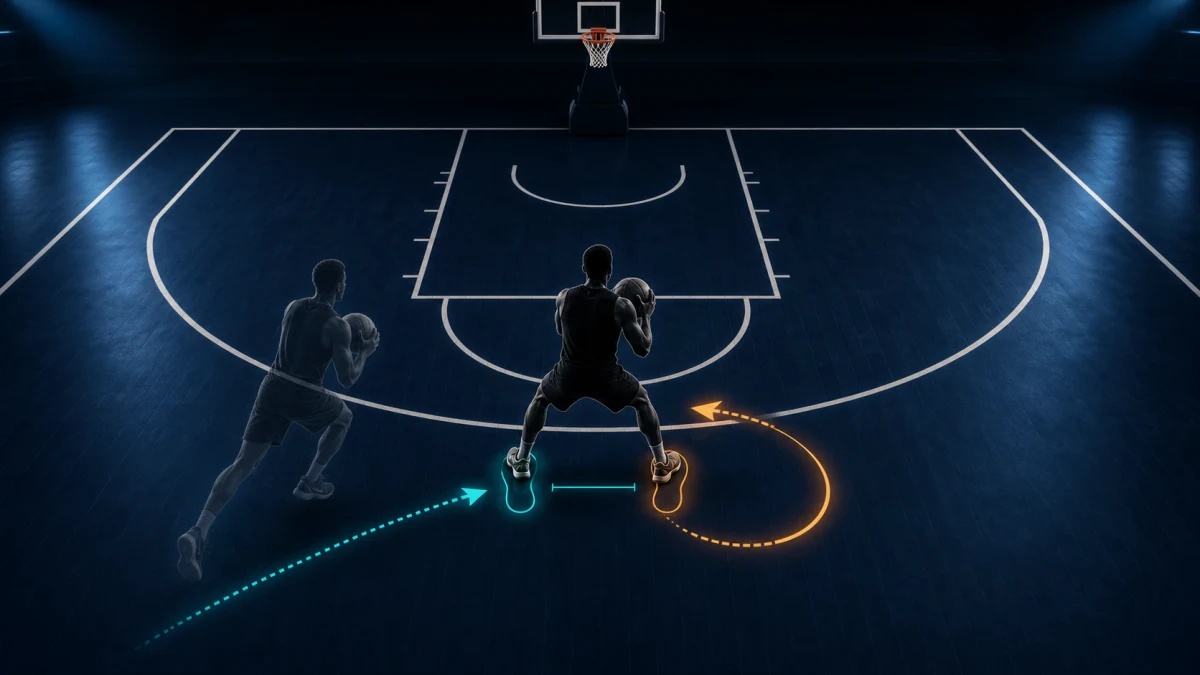
According to the WABC Coaching Level Manuals Level 1 English, one of the difficulties players face is establishing balance when transitioning from moving forward while dribbling to stopping to shoot. To help players, it is recommended that young players use a stride stop as they catch the ball because it makes establishing balance easier.
According to the WABC Coaching Level Manuals Level 1 English, to execute a stride stop after the last dribble, the player should catch the ball with both feet in the air and then land one foot followed by the other. During this landing sequence, it is preferable for the inside foot closest to the basket to land first and become the pivot foot. As the second foot lands during a stride stop, the player begins shooting.
According to the WABC Coaching Level Manuals Level 1 English, some coaches prefer a jump stop as preparation for shooting, which can also be used at the end of a dribble. Taking short steps during a stride stop keeps the feet close together, whereas feet that are too far apart affect both balance and power.
According to the WABC Start Coaching English Activities Book, it is important to jump stop because it allows the player to choose which foot to pivot on. According to the Jr. NBA, to ensure balance, players should land in the jump stop position and wait a few seconds before moving forward again. Furthermore, players must come to a complete jump stop before passing. WABC Start Coaching English Activities Book Starter Practice Plans - NBA.com: Jr. NBA
| Stop Type | Footwork Execution | Key Coaching Benefit |
|---|---|---|
| Stride Stop | According to the WABC Coaching Level Manuals Level 1 English, the player catches the ball with both feet in the air, lands one foot (preferably the inside foot closest to the basket) to establish the pivot foot, and then lands the second foot. | The WABC Coaching Level Manuals Level 1 English recommends this for young players because it makes establishing balance easier, and the player begins shooting as the second foot lands. |
| Jump Stop | According to the WABC Start Coaching English Activities Book, it is important to jump stop because it allows the player to choose which foot to pivot on. | The WABC Coaching Level Manuals Level 1 English notes some coaches prefer this as preparation for shooting. |
Pivoting Mechanics: Forward, Reverse, and Finding the Defender
According to the WABC Coaching Level Manuals Level 1 English, once they receive the ball, perimeter players must be able to square up and face the basket using both a forward and reverse pivot. According to the Jr. NBA, players must stay low and balanced when pivoting. square up and face the basket
According to the WABC Start Coaching English Activities Book, before pivoting, the player should put their chin to shoulder to see where the defender is. Once the defender's position is assessed, the player should move in the opposite direction of where the defender is positioned. where the defender is
Perimeter Footwork: Fakes, Onside Steps, and Crossover Steps
According to the WABC Coaching Level Manuals Level 1 English, the use of fakes, including both drive fakes and shot fakes, is very important on the perimeter. An effective shot fake should lift the ball to at least the forehead and lift the shoulders and upper body while keeping the lower body balanced and ready to move.
According to the WABC Coaching Level Manuals Level 1 English, after a shot fake, a reverse pivot, forward pivot, or cross-over step may be used to step towards the basket. According to the WABC Start Coaching English Activities Book, coaches should encourage players to use pass fakes to try to get the defender to move.
According to the WABC Coaching Level Manuals Level 1 English, an onside step involves beginning a dribble by stepping with the foot in the direction the player is moving, such as a right foot step to move right with a right hand dribble. In contrast, a crossover step involves beginning a dribble by stepping with the opposite foot, where the player moves to their right by stepping with their left foot, or vice versa.
To facilitate this movement, the WABC notes that pivoting on the heel of the foot and turning the pivot foot in the desired direction makes it easier to move in that direction during a cross-over step.
Post Footwork: Establishing Position and Creating Space
According to the WABC Coaching Level Manuals Level 1 English, a post player needs to use their feet to get position, and two steps is usually enough. To establish post position, the first step is into the defender, and then the post player reverse pivots. Using a reverse pivot can be a very effective method for a post player to get open.
According to the WABC Coaching Level Manuals Level 1 English, a post player can step into their defender and then reverse pivot so that the defender is behind them. Using a shoulder, elbow, and hips to hold the defender while keeping good balance ensures the defender cannot move the post player out of position.
Integrating Footwork into Daily Practice Plans
According to the WABC Start Coaching English Activities Book, in passing drills, players should catch the ball in the air. According to the Starter Practice Plans - NBA.com: Jr. NBA, to ensure balance, players should land in the jump stop position and wait a few seconds before moving forward again. This is demonstrated in diamond passing drills, where players complete a jump stop and forward pivot to face the next line before completing an overhead pass. designing practice plans
Frequently asked questions
What basketball footwork should beginners learn first?
Beginners should learn balanced stops, legal pivots, and a ready stance before adding complex moves. Those fundamentals help a player catch, face the basket, pass, dribble, and shoot without losing balance or committing a traveling violation.
What is the difference between a jump stop and a stride stop?
A jump stop lands both feet at approximately the same time, while a stride stop lands one foot and then the other. The landing pattern affects balance and pivot-foot options, so players should understand the rule consequences as well as the movement.
Why should players practice pivots in both directions?
Defenders and passing lanes can appear on either side. Practicing forward and reverse pivots in both directions helps a player protect the ball, find the basket, and choose an exit based on the defender instead of relying on one comfortable pattern.