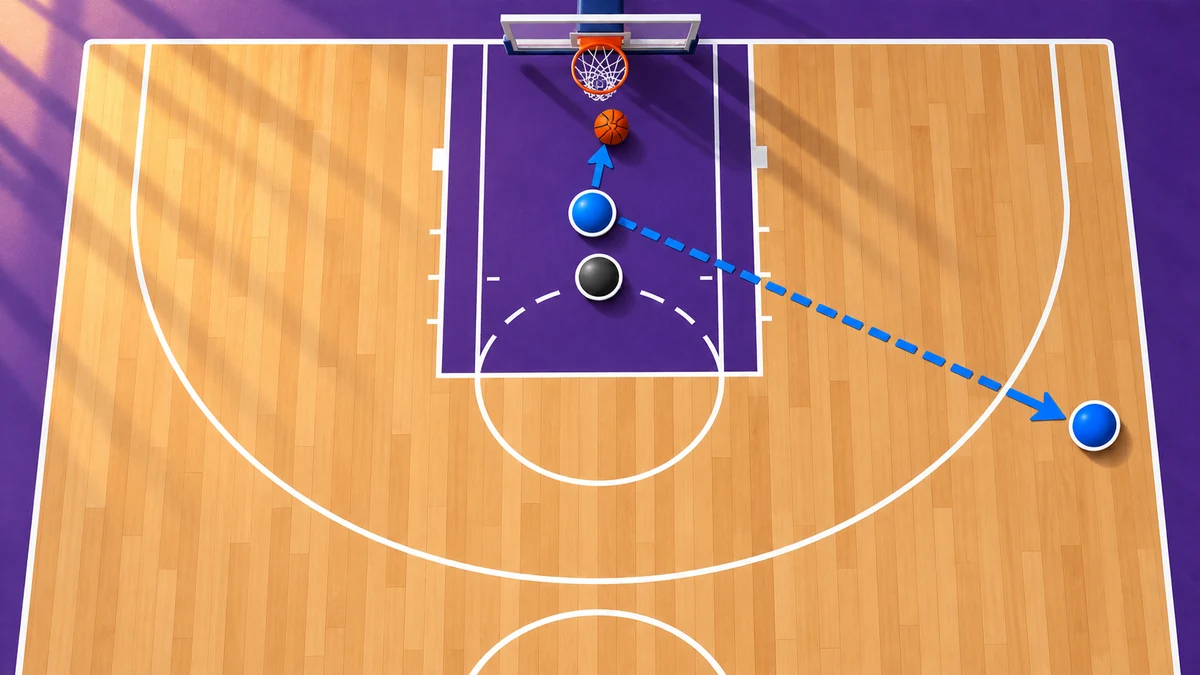
The short version: Coach rebounding as find, contact, pursue, secure, and outlet. Use legal positional contact, release to the flight of the ball, reward controlled possession rather than a tip, and require a readable next action. Progress from guided positioning to live one-on-one and two-on-two, then score the five links separately so the next practice targets the first broken decision.
Key takeaways
- Find the opponent early without losing awareness of the ball.
- Use legal positional contact and a balanced base, then release to pursue.
- Reward secure possession rather than the first touch.
- Make the outlet receiver visible and include the next action in the score.
- Review find, position, pursuit, security, and outlet as separate film events.
What does a complete rebound rep include?
A useful basketball rebounding rep starts before the ball reaches the rim and ends after the defense controls the next action. The player must find an opponent, create a legal barrier, pursue the ball, secure it, protect it, see pressure, and deliver or initiate the outlet. Jr. NBA's Starter curriculum makes that structure visible by listing boxing out, pursuing the ball, and protecting the ball as separate skills, then placing outlet passing and receiving the outlet elsewhere in the same progression. Jr. NBA Starter Practice Plans
That distinction matters because drills often reward only the most visible moment: who touched the ball first. A player can win the jump and still lose the possession by tipping the ball into traffic, landing off balance, lowering it beside a defender, or throwing an outlet without seeing the receiver. Coach the entire chain. The score should not be one rebound until the ball is secure and the next pass or dribble is under control. Jr. NBA Starter Practice Plan 3 basketball practice plan
Use the cue find, contact, pursue, secure, outlet as a shared language, but avoid turning it into a rigid pose. The location of the shot, the flight of the ball, the opponent's path, and the team's transition rules will change the footwork. The sequence gives players decision checkpoints while preserving the randomness that makes a rebound look like a game rebound.
Find before the ball reaches the rim
The first task is visual. When a shot goes up, the defender needs enough information about both the ball and the nearest offensive player to choose a path. Staring at the rim can allow a cutter to run untouched into the lane. Turning completely away from the ball can hide a long rebound. Train players to make an early check, close space, and use peripheral vision rather than waiting underneath the basket for the result.
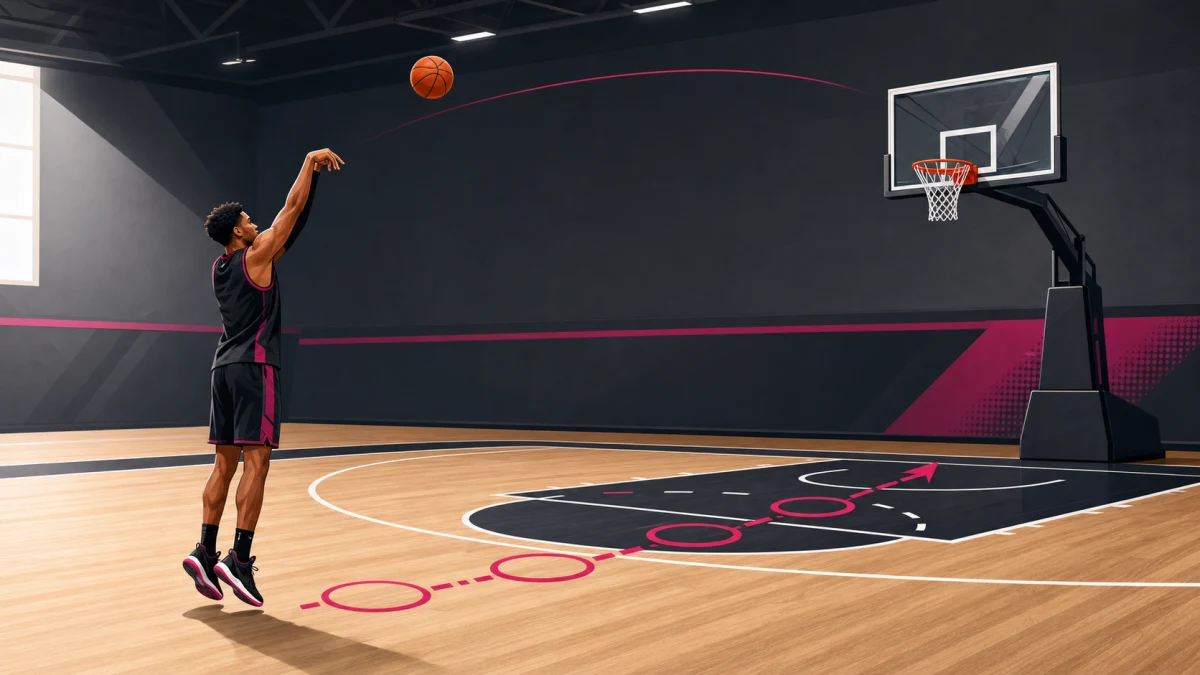
Start with guided locations. Put an offensive player at the slot, wing, or short corner and let the coach shoot from a known spot. On the release, the defender identifies the assignment and moves to establish position. Once the movement is clean, change the shooter's location and allow the offensive player to choose a route. The read now has consequences: a flat shot may produce a longer rebound, while a high miss may stay near the lane. Jr. NBA All-Star Practice Plans
Ask one diagnostic question after a lost rep: when did you find the opponent? This is more useful than shouting box out after the rebound is already gone. If the answer is late, fix the shot cue and first movement. If the player found the opponent but lost the path, work on angle and base. If contact was established but the ball escaped, move the coaching point to pursuit or security.
Create legal contact and keep a useful base
Rebounding contact is positional, not a license to hit. The defender closes the opponent's direct route, stays balanced, and uses the body to hold space while continuing to locate the ball. Feet that become too narrow are easy to displace. Feet that spread too wide make the next pursuit step slow. A compact athletic base gives the player a chance to absorb normal game contact and still move when the miss changes direction.
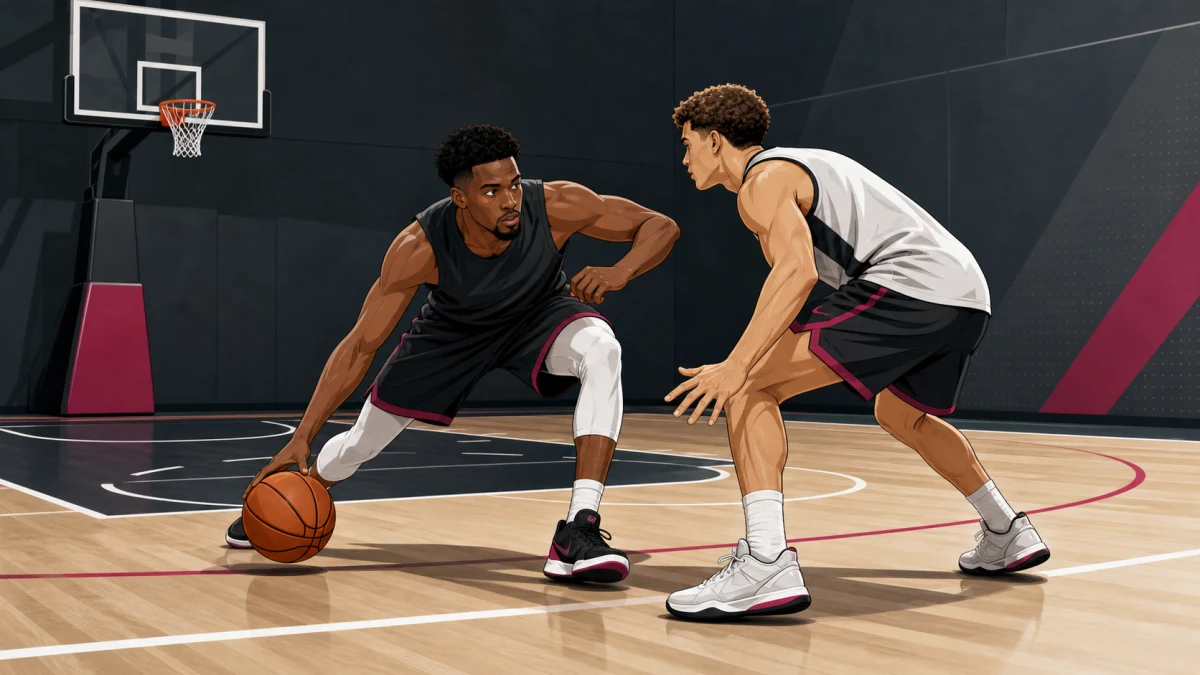
Jr. NBA's two-on-two box-out game is useful because neither pair begins with a permanent offensive or defensive label. The coach puts the ball on the rim, both teams compete for position and possession, and the team that secures the rebound becomes offense. The drill connects contact to an actual consequence instead of awarding a cosmetic box-out that never reaches the ball.
Introduce contact gradually. Begin with a shadow player who walks a predictable route. Progress to a guided opponent choosing left or right, then to a live two-player or two-on-two contest. Stop any rep that turns into holding, pushing, undercutting, or striking. The standard is legal position plus freedom to pursue, not winning a wrestling match beneath the rim.
Pursue and secure the ball
After contact, the player has to leave the opponent and pursue the ball. That release is often the missing skill. A defender can remain attached to the offensive player so long that both watch the rebound fall somewhere else. Teach the player to feel that position has been won, find the ball again, and take the shortest controllable path to it.
Not every ball should be caught at the highest imaginable point. The priority is a clean possession. Players should meet the ball with two hands when the situation allows, bring it into a protected space, and land with balance before deciding what comes next. On crowded rebounds, the body may need to turn away from pressure. On long rebounds, the first secure action may be catching on the move and taking a control dribble into space.
Build randomness without creating chaos. Vary the shooter's location, use bank and rim misses, or have a coach toss from different angles. Keep the number of bodies small enough that the coach can see why each rep was won or lost. Two-on-two is often richer than a large rebounding scrum because players still have to communicate and choose an opponent, but the decisive actions remain visible.
Protect, pivot, and make the outlet readable
Security creates time for the next read. The rebounder should know where pressure is, where the nearest safe space is, and how the team's outlet receiver is organized. A pivot is useful only if it improves vision or shields the ball. An automatic spin into traffic is not progress. Teach the rebounder to land, protect, scan, and then choose a pass, a control dribble, or a safe reset. Jr. NBA Rookie Practice Plan 9
Jr. NBA includes a progression where the player who gets the rebound passes to the wing where the ball started. That fixed target is an effective first constraint because it makes the outlet easy to recognize and lets the coach evaluate the pass. Later, release the receiver to find open space and make the rebounder confirm the target with eyes and voice before throwing.
The receiver owns half of the outlet. A teammate who hides behind a defender, drifts too close to the rebounder, or turns upcourt before showing a target makes the pass harder. Train the receiver to create a visible passing lane, present hands, call clearly, catch first, and then advance. This turns rebounding into a team transition skill rather than an isolated individual statistic. basketball footwork fundamentals
A four-stage rebounding progression
- Guided find and hold: a coach shoots, the defender locates a shadow opponent, establishes legal position, then freezes so the coach can inspect balance and angle.
- Guided pursue and secure: the opponent chooses one of two routes, the defender creates position, releases to the flight, catches, protects, and lands under control.
- Live rebound to outlet: one-on-one or two-on-two becomes live on the shot, and the defense earns the point only after a controlled outlet to a visible wing target.
- Advantage game: play from the outlet into a short transition possession so spacing, decision speed, and ball security affect the final score.
Run short rounds and change partners. Score a legal position point, a secure-possession point, and an outlet point, or require all three before awarding one team point. If contact quality improves but outlets fail, preserve the contact success and move the next block toward scanning and passing. A progression is useful because it reveals the first broken link instead of blending every mistake into a generic effort problem.
How to review rebounding film
Film from a high sideline or baseline angle that keeps the shooter, rebounders, and first outlet in view. A tight crop of the catch may look dramatic but hides the find, route, and passing lane. On review, mark the shot release, first opponent check, first contact, pursuit step, secure possession, and outlet release. Those timestamps make the sequence discussable without relying on memory.
Use a simple five-part score: find, position, pursuit, security, and next action. Score each as clear, late, or lost. The categories should explain the possession rather than decorate it. If a player is consistently clear on position but late on pursuit, the next practice does not need more static box-out holds. It needs a release-to-ball constraint.
Review wins as carefully as losses. A rebound can be secured despite poor early positioning because the ball bounced directly to the defender. Another can be lost after an excellent find and legal contact because the miss traveled unusually far. Separate process from outcome, then keep enough live scoring that players still care about completing the possession.
Frequently asked questions
Should players watch the ball or find an opponent first?
They need information about both. Use an early opponent check to prevent a free run, maintain awareness of the shot, establish legal position, and then release to pursue. The exact timing changes with location and flight, which is why live reads should follow guided repetitions.
When should contact become live?
After players can hold a balanced base and understand legal positioning against a guided route. Progress through shadow, guided, one-on-one, and two-on-two work. Jr. NBA explicitly includes both a two-on-two box-out game and advanced live rebounding with contact.
What counts as a successful rebound in practice?
Count controlled possession, not a fingertip touch. For a complete drill, require protection and a readable outlet or controlled advance before awarding the point. That standard connects Jr. NBA's separate rebounding and outlet skills into one possession.