
The short version: Choose a bounce pass when the direct route is threatened and a lower corridor is available. Place the bounce to produce a controlled catch, then adjust from the receiver's feedback. If the defender closes that corridor, choose another option.
Key takeaways
- Check the complete passing corridor; space beneath a defender's hands does not establish a clear route.
- Use the receiver's catch to judge placement rather than memorizing a floor-contact formula.
- Include a changing defender in practice so each repetition requires a fresh decision.
When is a bounce pass the right choice?
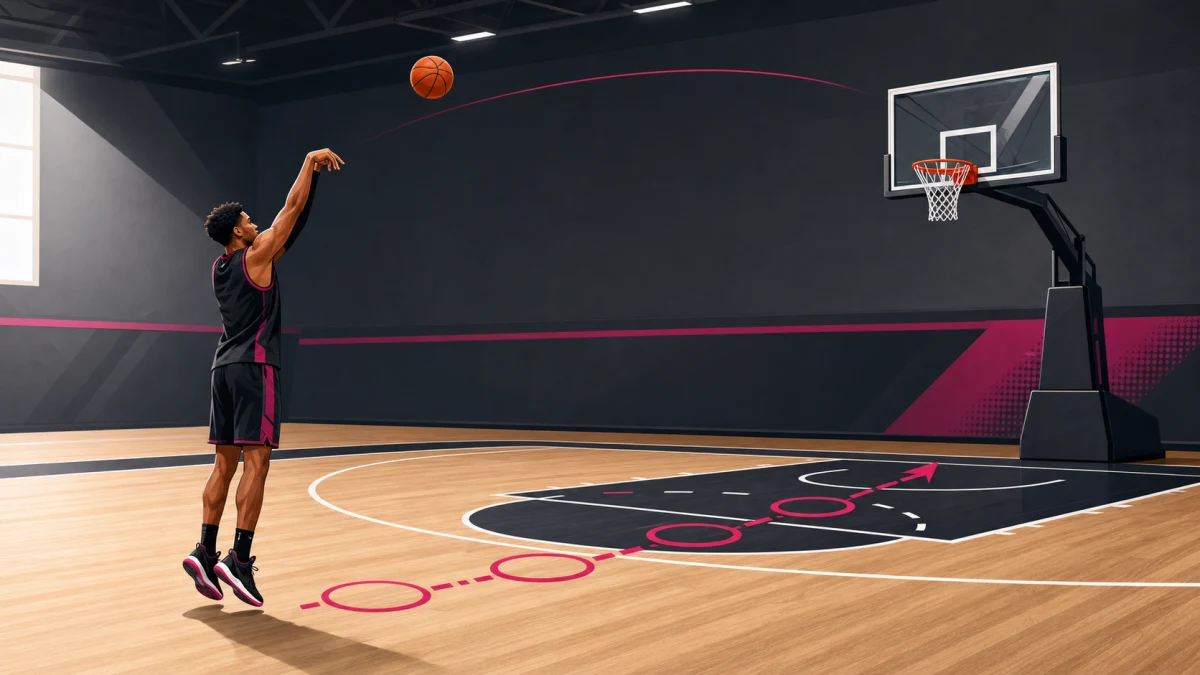
A bounce pass makes sense when a defender threatens the direct chest-pass route and a lower route is available. It travels more slowly than a direct chest pass and is better suited to short connections than long deliveries. Start with the available lane, rather than deciding in advance that the next pass must bounce. How to Throw a Bounce Pass in Basketball (5 Steps)
Think of the lane as a corridor from your release, through the floor contact, to your teammate's hands. An open patch of floor is only part of that corridor. Before releasing, ask whether the ball can reach that patch and then rise to the receiver without crossing the defender's position.
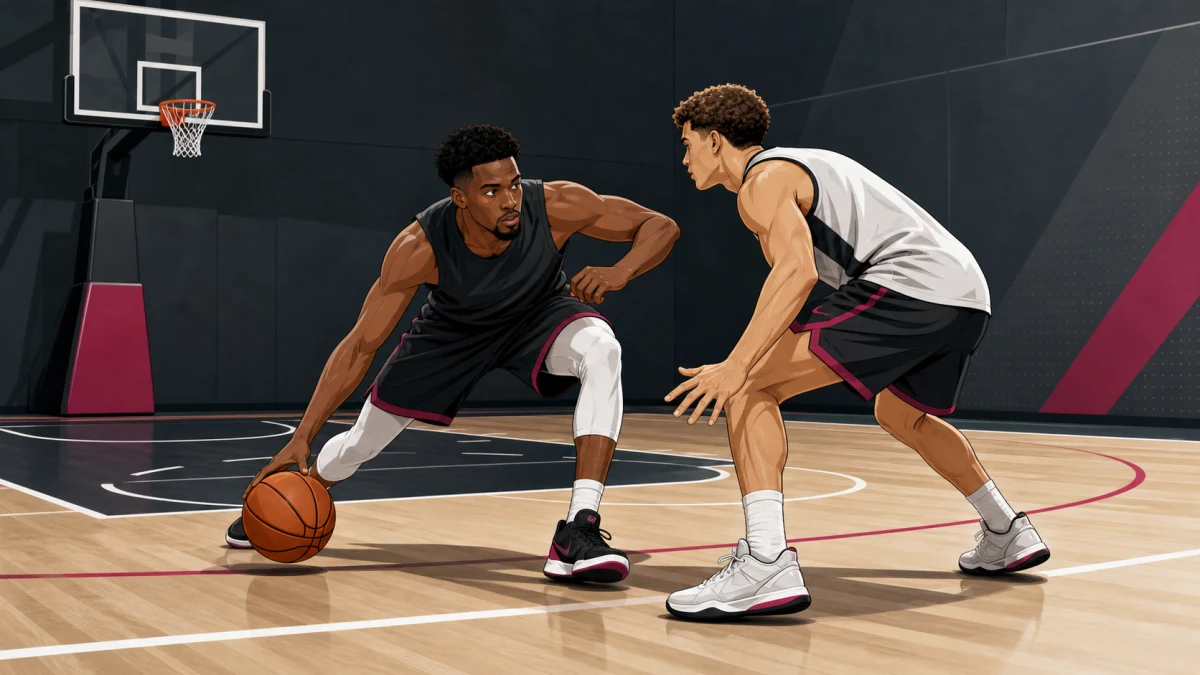
For example, imagine a defender with high hands but a foot planted across your intended route. Treat that as a closed lane, even though there is space beneath the hands. If the angle asks the ball to travel through the defender's feet or makes your teammate reach back into pressure, choose another opening.
Where should the ball bounce?
Work backward from the catch. Ask your partner to show a comfortable target with their hands. Try to send the ball through the available corridor so it rises into that target. Judge the floor contact by the catch it produces, rather than by whether you hit a memorized fraction of the distance.
In partner practice, use the receiver's feedback to adjust. If the ball arrives at their shoes, change the floor contact or delivery pace and try again. If it climbs past their hands, adjust again. Change one thing at a time so you can connect the release and bounce with the resulting catch. partner practice
Receiver cue: face the passer, keep your hands available and use a balanced stance with comfortable knee bend. Meet the ball with both hands and bring it under control before rushing the next action. For this exercise, aim for a delivery the receiver can gather without jumping or lunging; those extra movements are useful feedback about placement.
A moving receiver changes the target. Allow for the bounce pass's slower travel by leading the teammate; the required lead increases with distance. In practice, ask whether the receiver met the ball in stride or had to stop and wait. Adjust to the actual movement rather than aiming at where the teammate stood when you began the pass.
Practise the choice as well as the bounce
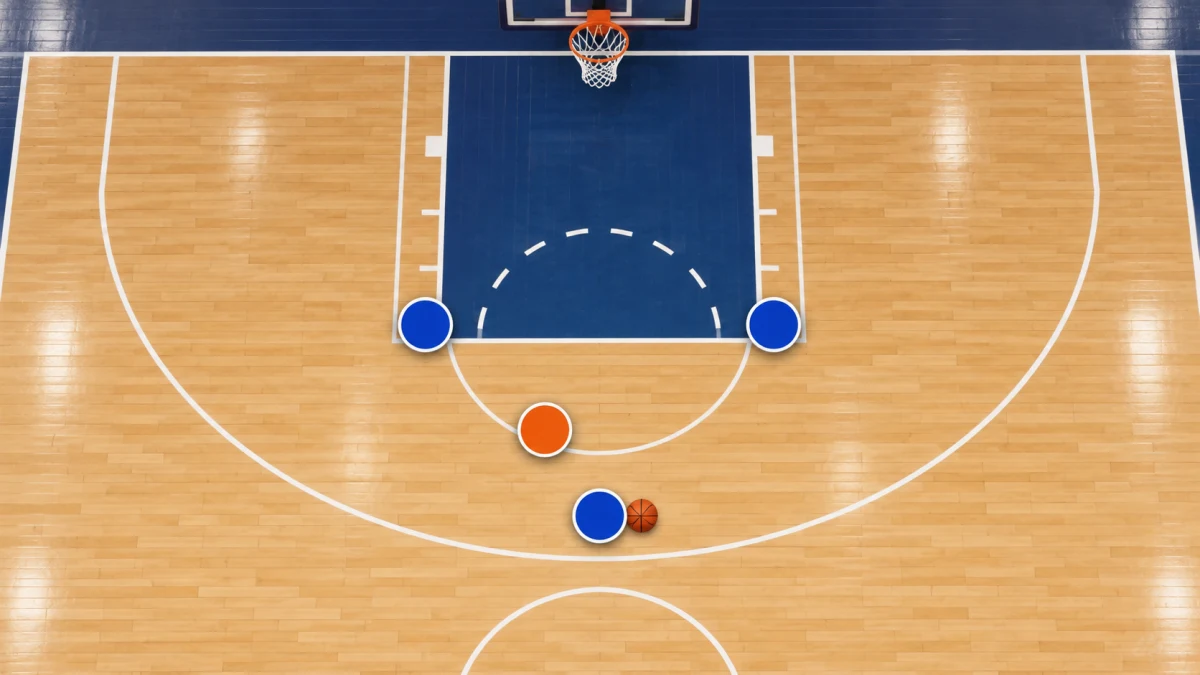
The World Association of Basketball Coaches' Level 1 manual includes Triangle Passing: a passer chooses between two stationary receivers while a nearby defender uses active hands and hedges to deflect the ball. The manual encourages pass fakes and bounce passes. That setup gives the passer a real choice instead of an empty lane on every repetition. WABC Coaching Level Manuals Level 1 English Triangle Passing
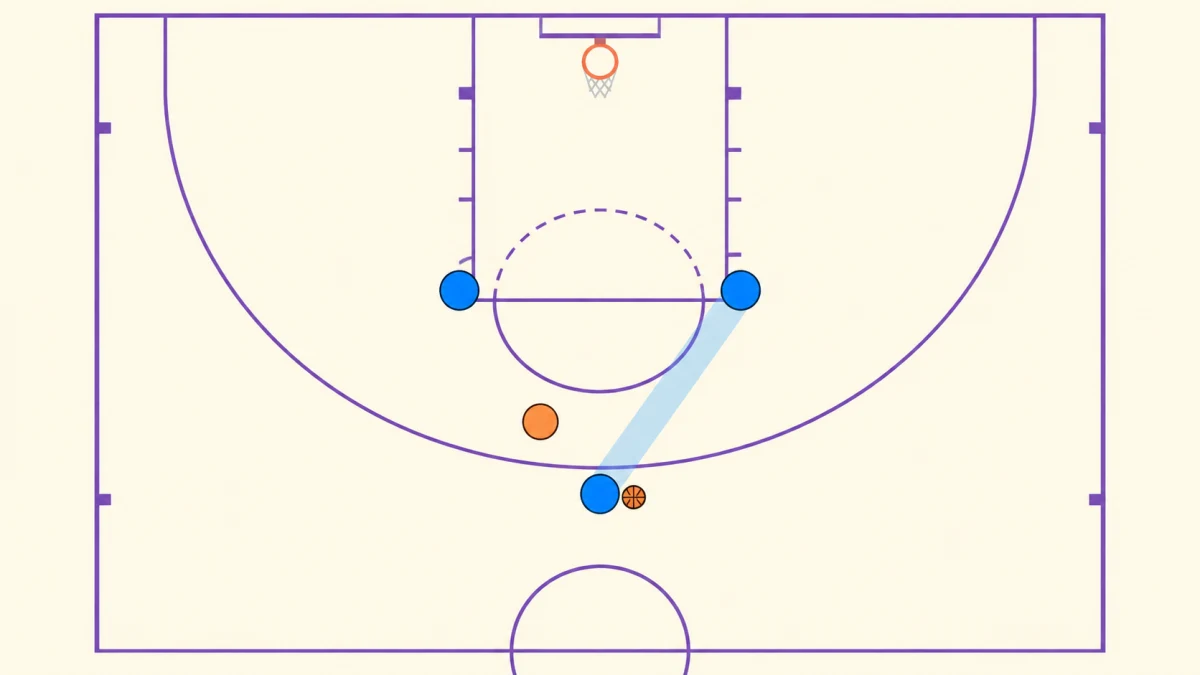
Adaptable practice example: begin with the defender shading one receiver and leaving the other angle available. Let the passer explore the bounce and ask the receiver about the catch. Then allow the defender to change position between attempts. Keep the receivers stationary initially so the passer can concentrate on the lane. Rotate roles, and allow another pass choice when the bounce route closes. practice example
Hypothetical read: your bounce pass to the right receiver worked. Before the next attempt, the defender shifts right and puts a foot across that corridor. What should change?
Recheck the right-hand lane. The defender's new position may have closed it. Choose an available receiver and delivery rather than forcing the bounce because it worked on the previous attempt.