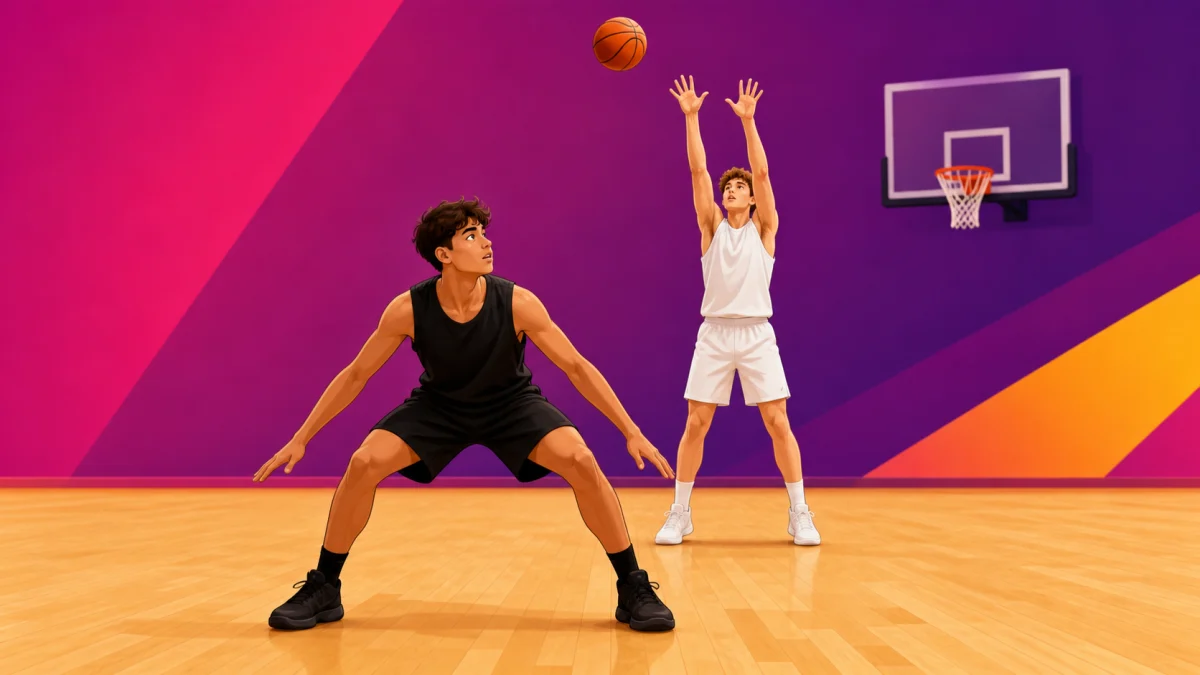
The short version: Build rebounding in five connected actions: read the shot, create legal contact before chasing the ball, pursue with two hands, land strong, and make a clean outlet decision. Progress from controlled partner work to live, scored possessions so players learn when the ball and opponent move unpredictably.
Key takeaways
- The rebound begins while the shot is in the air, not when the ball reaches the rim.
- A box out creates position, but the player still has to release and pursue the ball.
- Two-hand control, a balanced landing, and a strong pivot turn possession into transition.
- Score live drills for stops, secure rebounds, and outlets instead of counting jumps alone.
Train the full rebounding possession
Basketball rebounding is not one jump. It is a chain of five actions: read the shot, find the opponent, create legal contact and position, pursue the ball, then secure it and start the next play. A player can win four of those actions and still lose the possession. Watching the flight without finding a body invites a crash from behind. Holding a box out without releasing leaves the ball for someone else. Catching it off balance creates a turnover before the outlet begins. FIBA WABC Coaches Manual USA Basketball Player Development Curriculum box-out fundamentals
That sequence gives coaches a better correction language. Instead of saying only 'rebound harder,' identify the missing action: the read was late, contact never happened, pursuit stopped under the rim, the catch used one loose hand, or the outlet was rushed. Rebound totals remain useful, but they do not explain why a player won or lost the next opportunity. Film and live practice become more actionable when each possession is graded through the same sequence. USA Basketball Teaching Techniques building a basketball practice plan
Read the shot before making contact
The read begins while the shot is in the air. Notice the shooter’s location, the ball’s line, and whether the attempt is likely to fall short, carry long, or rebound toward a side. That information matters, but it cannot erase the opponent. FIBA’s coaching progression teaches the defender to locate the opponent first and then move into the block-out action. The practical cue is 'see both': use a quick head turn and body contact to keep the opponent from gaining a straight path while the eyes recover to the ball. FIBA WABC Level 1 Coaching Manual
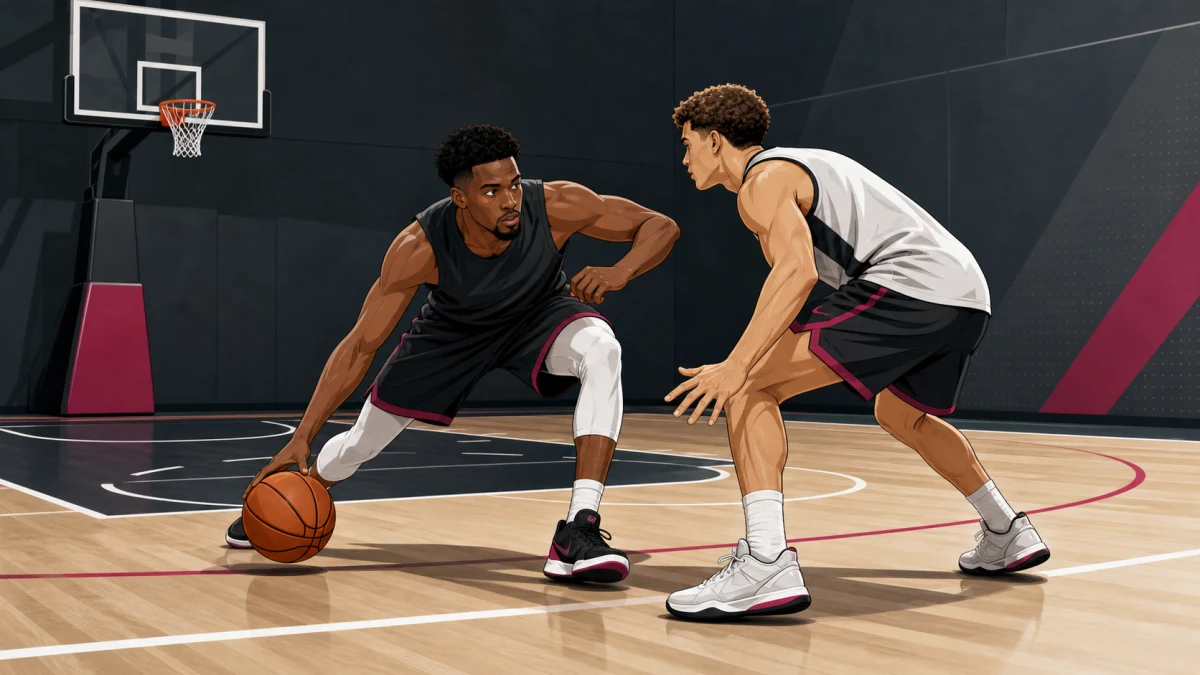
Young players often turn toward the rim too early because the ball is visually compelling. Start with a partner behind or beside the defender. On a coach’s shot signal, the defender locates the partner, makes a wide and balanced first contact, then turns to pursue a tossed ball. The partner supplies realistic movement without turning the drill into wrestling. Once the sequence is stable, vary the partner’s starting angle and the toss so the defender cannot memorize one turn. USA Basketball Partner Box Out
Create position, then release and pursue
- Find the opponent with a forearm or body feel while keeping the hands legal and visible.
- Step across the opponent’s path, widen the base, and sit into a balanced position rather than leaning backward.
- Hold position only long enough to redirect the opponent, then release when the ball’s path is clear.
- Attack the rebound at its highest controllable point with two hands and bring it into protected space.
The box out is a means, not the finish. If the ball lands three steps away, the rebounder has to leave the original spot. Train pursuit with rebounds thrown outside the player’s standing cylinder: high left, high right, short, and long. Ask the player to cover ground before jumping and to meet the ball instead of waiting underneath it. A teammate can provide controlled pressure after the catch so the rebounder must land strong rather than drifting into the next player.
Secure the ball and make the outlet decision
The catch is only secure when the player can land, protect the ball, and see the floor. Use two hands whenever possible, pull the ball into strong space, and avoid swinging it low through reaching defenders. The player should land on balance or use a controlled stride landing, then pivot away from pressure. The first look is a clean outlet to a guard or an open teammate moving into space; if that pass is not safe, the rebounder keeps the ball rather than forcing the transition. outlet-pass decisions
Build the outlet into the drill instead of ending every repetition at the catch. Place two outlet targets on opposite sides. After the rebound, a coach closes one lane or calls a pressure cue, and the player must pivot, scan, and choose. This makes the finish representative of a game: a defensive rebound is valuable because it ends the opponent’s possession and creates the next one, not because it produces a statistic in isolation.
A four-stage rebounding practice progression
- Partner contact and turn: rehearse locating the opponent, making legal contact, and establishing balance without a live shot.
- Pursuit and secure: vary tosses beyond standing reach, require two hands, and score only balanced catches.
- Rebound to outlet: add two outlet targets and a defender who removes one option after the catch.
- Live advantage play: begin two-on-two or three-on-three from a coach’s shot and play until the defense secures and outlets or the offense scores.
Score the behaviors you want. One point can reward first contact, another a two-hand secure, and another a clean outlet. A complete stop earns all three; an offensive rebound resets the possession. USA Basketball’s process-goal approach supports making behaviors such as boxing out every shot and securing repeated rebounds visible. The score keeps players competitive while preventing a lucky bounce from hiding poor technique.
For younger or smaller players, lower the traffic and shorten the work periods before changing the technique. For advanced groups, add perimeter crashes, long rebounds, and an immediate transition decision. Progress when the sequence stays intact under pressure, not simply when the drill looks fast. The standard is repeatable control: read, contact, pursue, secure, outlet.
Frequently asked questions
What is the most important part of basketball rebounding?
The most important part is completing the sequence. Reading the shot matters, but the player must also locate an opponent, establish position, pursue the ball, secure it, and make the next decision. A breakdown at any step can surrender the possession.
Should a player watch the ball or find an opponent first?
The player needs information about both. FIBA’s Level 1 progression teaches locating the opponent before moving into the block out. After contact and position are established, the eyes return to the ball so the player can release and pursue.
Is boxing out enough to get a rebound?
No. A box out redirects the opponent and creates position, but the rebounder still has to leave that position when necessary, attack the ball, and secure it. Holding a box out while the ball lands elsewhere does not finish the play.
How should coaches measure improvement in rebounding?
Track both outcomes and process: first contact, pursuit, two-hand control, balanced landing, and a safe outlet. Rebound totals alone can be distorted by where the ball bounces, while process grading shows which part of the skill needs work.