
Ang maikling bersyon: Atakehin ang isang basketball zone sa pamamagitan ng pagtukoy muna kung paano responsable ang mga depensor para sa espasyo, pagkatapos ay iposisyon ang iyong opensa upang ang isang pasa o cut ay magpilit ng pagpili. Panatilihing gumagalaw ang bola, okupahin ang short corner o nail nang hindi sinisikip ang lane, at hanapin ang pangalawang kalamangan pagkatapos ng unang closeout. Ang isang zone attack ay hindi isang memorized na pattern ng pagpasa: ito ay isang pagkakasunod-sunod ng spacing, timing, at reads na dapat makaligtas sa isang live possession.
Mga pangunahing aral
- I-mapa ang zone ayon sa responsibilidad: sino ang nagpoprotekta sa rim, sino ang may-ari ng sulok, at sino ang lumalapit sa bola.
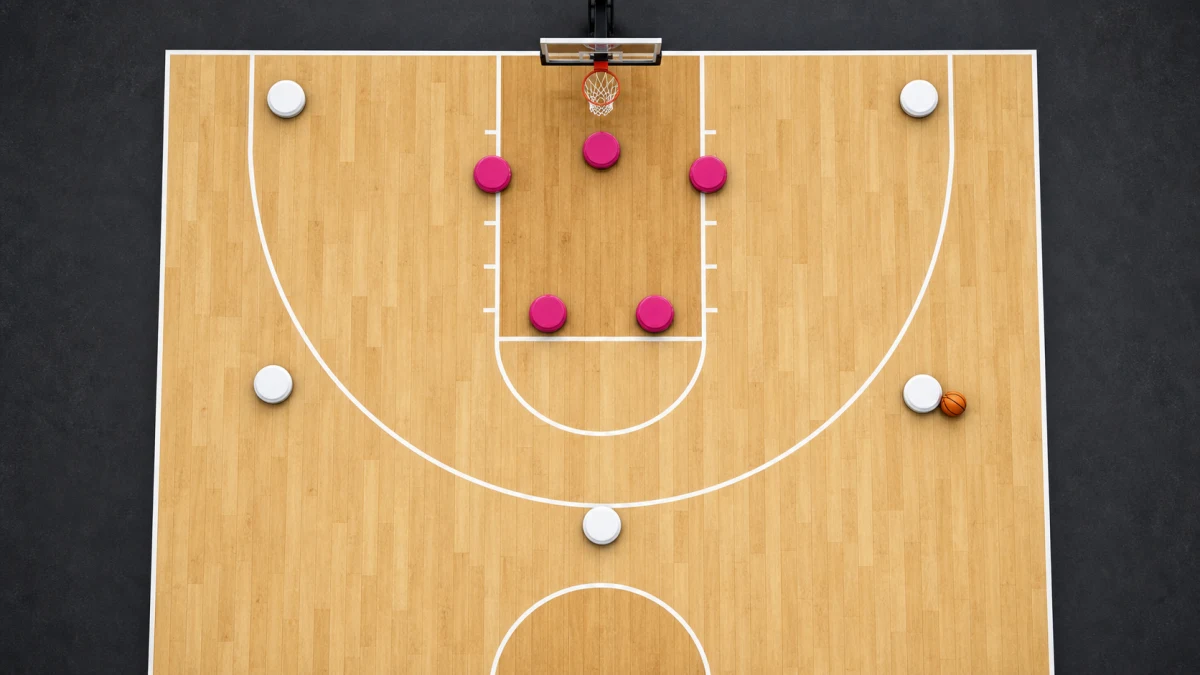
- Gamitin ang lapad at lalim nang magkasama. Limang manlalaro na nakatayo sa paligid ng arko ay maaari pa ring magbigay ng ginhawa sa depensa.
- Galawin ang bola bago pa makapag-ipon ang depensa ng dalawang katawan sa iisang banta, pagkatapos ay atakehin ang closeout gamit ang pasa, drive, o tira.
- Sanayin ang read kasama ang mga may gabay na depensor at pagkatapos ay bumalik sa live play upang ang solusyon ay hindi nakatali sa isang scripted route.
Magsimula sa pagbabasa ng mga patakaran ng zone
Huwag tawaging 2-3, 3-2, o matchup zone ang isang depensa mula sa isang frozen na larawan. Panoorin ang unang dalawang possessions. Sinusundan ba ng top defender ang bola hanggang sa corner? Pinapalitan ba ng low defender ang corner para sa short corner? Umalis ba ang isang wing sa lane para pigilan ang drive, o bumaba ba ang isa pang depensor para mag-rotate? Ang mga sagot na iyon ang magsasabi sa iyo kung saan lilitaw ang susunod na passing window.
Ang manual ng mga coach ng FIBA/WABC ay tinuturing ang team defense bilang coordinated positioning, komunikasyon, at tulong sa halip na limang nakahiwalay na posisyon. Nagbibigay iyon sa opensa ng kapaki-pakinabang na panimulang punto: atakehin ang mga koneksyon sa pagitan ng mga depensor, hindi ang label sa whiteboard. Ang iyong unang trabaho ay tingnan kung aling depensor ang kailangang gumawa ng pinakamahirap na two-way decision.
I-stretch ang shell bago mo ito pasukin
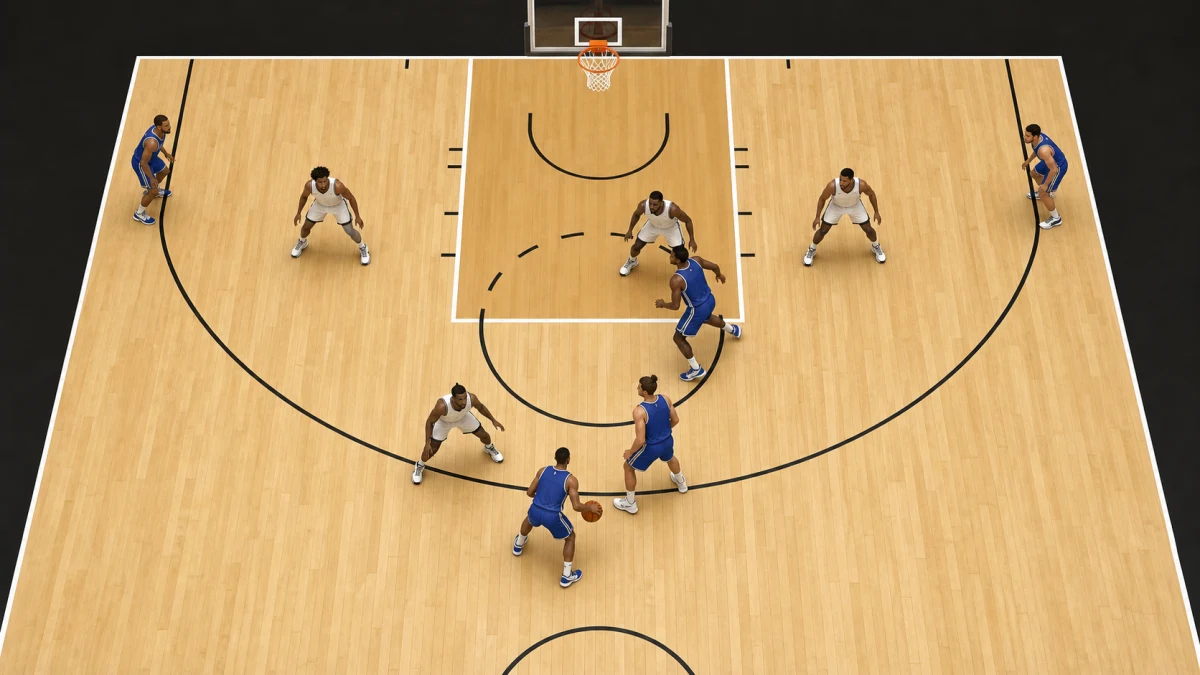
Ang spacing ang unang aksyon sa paglabag sa zone. Ilagay ang mga manlalaro sa iba't ibang taas: isang corner o short-corner threat, isang slot o wing threat, at isang manlalaro na maaaring tumanggap malapit sa nail o high post nang hindi nakaparada sa lane. Ang eksaktong alignment ay nakasalalay sa personnel at sa paggalaw ng zone, ngunit ang prinsipyo ay matatag: gawing sakop ng depensa ang lapad at lalim nang sabay.
Ang isang kapaki-pakinabang na pagsubok ay ang i-freeze ang opensa bago ang pasa. Makikita ba ng isang depensor ang bola at ang susunod na receiver nang hindi lumilingon? Kung oo, ang spacing ay hindi nakalikha ng mahirap na pagpipilian. Kung ang low defender ay kailangang pumili sa pagitan ng corner catch at high-post touch, ang susunod na pasa ay maaaring magpa-galaw sa shell. Iyan ay isang coaching read, hindi garantiya na ang possession ay magbubunga ng tira.
Ang Starter practice curriculum ng Jr. NBA ay gumagamit ng small-sided games, random starts, loading at deloading, at decision-making bilang bahagi ng disenyo ng practice para sa kabataan. Ang parehong lohika ng disenyo ay nalalapat dito: ilagay ang manlalaro sa isang representatibong problema sa spacing, pagkatapos ay baguhin ang dami ng espasyo o defensive pressure kapag ang gawain ay masyadong madali o masyadong masikip.
Galawin ang bola para galawin ang mga defender
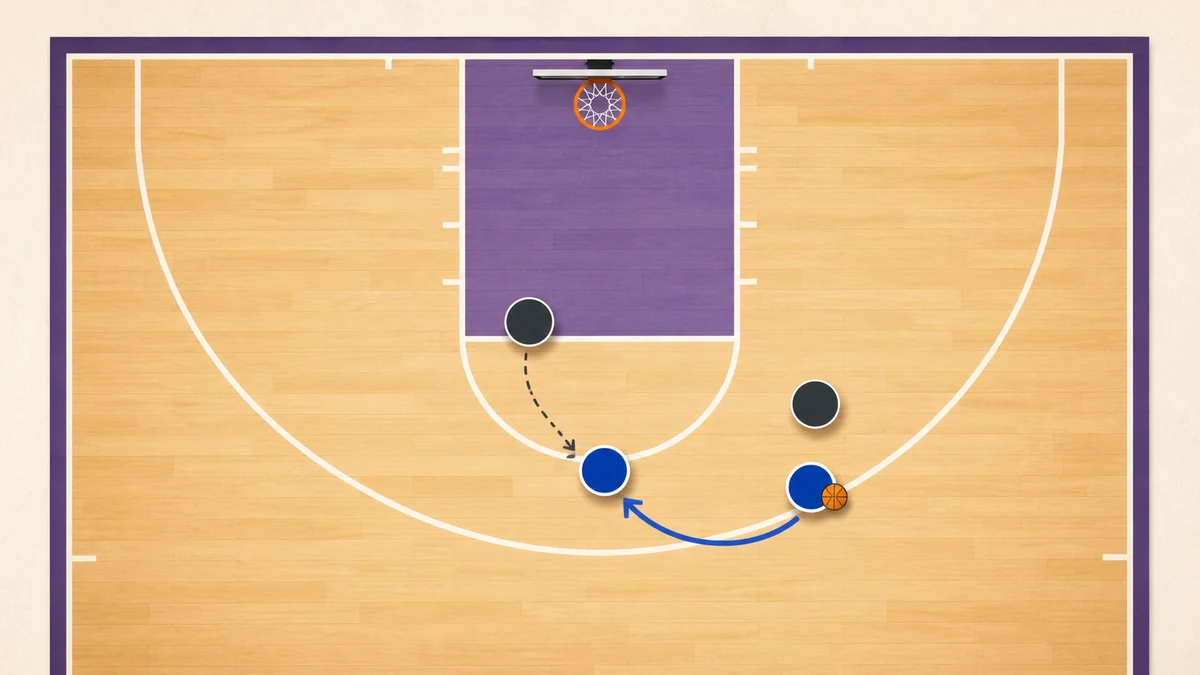
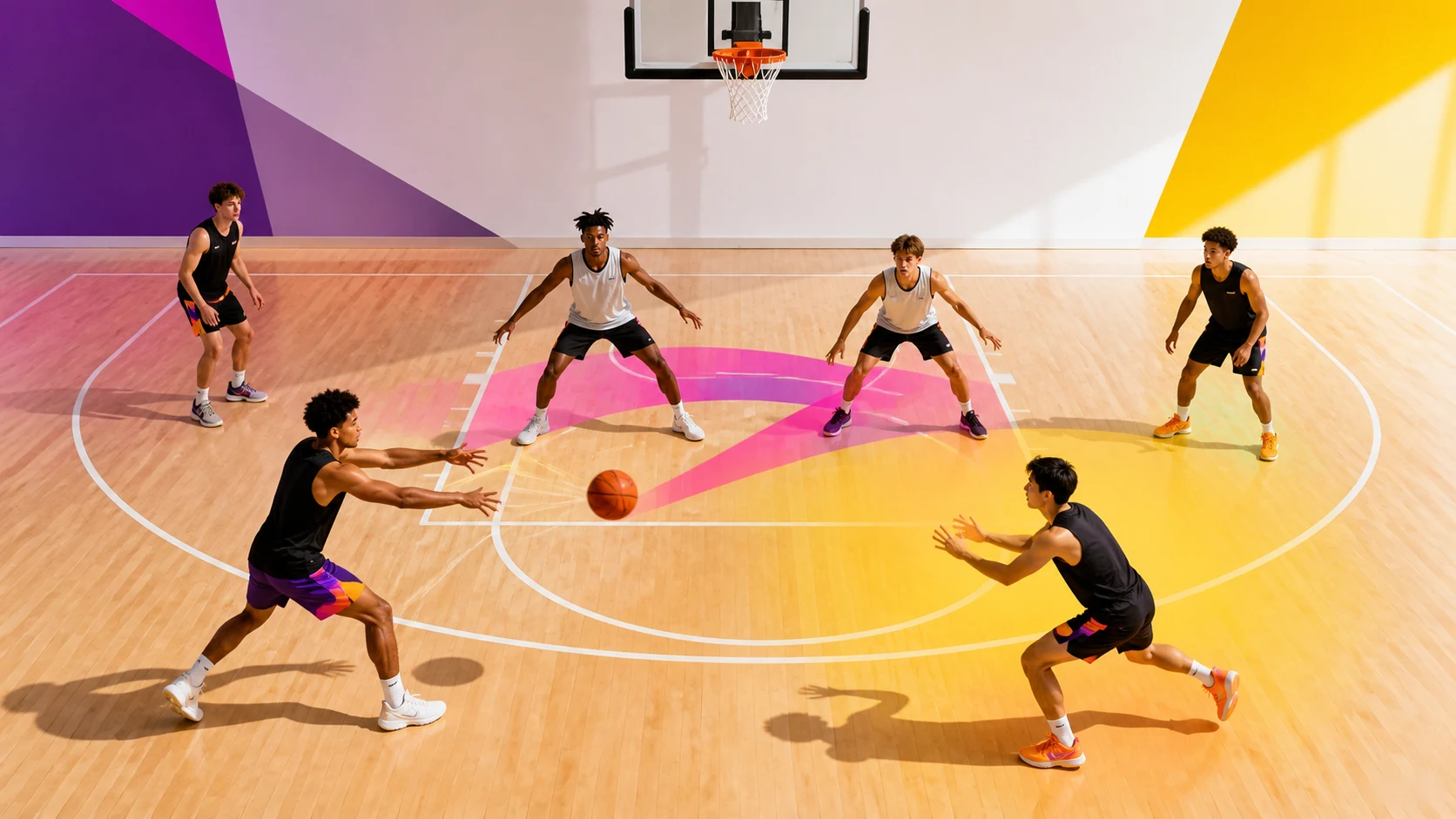
Ang unang pasa ay madalas na setup, hindi ang finish. I-reverse ang bola kapag square ang zone. I-skip ito kapag huli ang top defender sa isang far-side threat. Ipasa sa loob kapag nakikita ng receiver ang rim at ang susunod na closeout. Kapag ang bola ay pumasok sa gitna o short corner, ang iba pang apat na manlalaro ay dapat handa na panatilihin ang kanilang spacing, mag-cut sa likod ng lumilingong depensor, o palitan ang espasyong iniwan ng receiver.
Gumamit ng simpleng tanong sa possession: ano ang ginawa ng depensa dahil sa huling pasa? Kung walang depensor na gumalaw, malamang na hindi binago ng pasa ang problema. Kung dalawang depensor ang gumalaw patungo sa isang receiver, dapat dumating ang susunod na pasa bago sila makabawi. Pinapanatili nito ang opensa na konektado sa depensa sa halip na sa isang nakatakdang bilang ng mga pasa.
Gamitin ang short corner at high post bilang mga espasyo ng desisyon
Ang short corner ay hindi lang lugar para itago ang isang non-shooter. Ang isang receiver doon ay makikita ang rim, ang baseline, at ang mga paa ng low defender. Ang pag-catch nang masyadong malalim ay maaaring walang maiwan na passing angle; ang pag-catch nang masyadong mataas ay maaaring ilagay ang manlalaro sa parehong espasyo ng high post. Magtrabaho sa catch na may malinaw na exit: tapusin kung bukas ang lane, ipasa palabas kung ang low defender ay nag-commit, o i-reverse ang bola kung ang depensa ay nananatili sa posisyon.
Ang high post o nail ay lumilikha ng katulad na desisyon kapag pinapayagan ng zone ang espasyong iyon. Dapat tanggapin ng receiver ang bola na handang mag-pivot at makita ang magkabilang kanto. Dapat panatilihin ng mga kasamahan sa koponan ang mga lane sa halip na pumasok sa paningin ng receiver. Ang isang middle touch ay mahalaga dahil hinihiling nito sa zone na mag-collapse, ngunit nawawala ang halaga nito kapag apat na manlalaro ng opensa ang nakatayo at nanonood.
Huwag gawing unibersal na sagot ang isang lokasyon. Ang isang koponan na may limitadong shooting range ay maaaring gamitin ang gitna bilang passing hub; ang isang koponan na may malalakas na shooters ay maaaring gamitin ito upang hilahin ang isang mababang defender pataas. Ang tamang pagpipilian ay ang tumutugma sa mga manlalaro sa possession at sa mga patakaran na ipinapakita ng depensa.
Lumikha ng overloads nang hindi sinisikip ang lane
Ang isang overload ay naglalagay ng mas maraming opensibang banta sa isang panig kaysa sa kayang tugunan ng zone nang kumportable nang walang rotasyon. Halimbawa, ang isang manlalaro sa corner, wing, at short-corner ay maaaring okupahin ang tatlong magkakaugnay na depensor habang ang mga manlalaro sa weak-side ay pinapanatiling tapat ang back line. Ang layunin ay hindi ang magpatong ng tatlong katawan sa isang maliit na lugar. Ang layunin ay gawing magbunyag ng pangalawang pasa ang unang help rotation.
Simulan ang overload sa isang pasa o cut na makikita ng depensa. Pagkatapos, basahin ang closeout: tumira kung ang receiver ay balanse at bukas, mag-drive kung ang closeout ay kinuha ang tira ngunit nag-iwan ng legal na lane, o igalaw muli ang bola kung ang depensa ay nananatiling kontrolado. Ang isang zone attack ay nagiging predictable kapag ang bawat catch ay isang sapilitang drive. Nagiging passive din ito kapag ang bawat catch ay isang awtomatikong reversal.
Ang Player Development Curriculum ng USA Basketball ay naglalarawan ng pag-unlad sa pamamagitan ng pagiging bihasa sa paggalaw at mga kasanayan sa basketball sa halip na isang solong script na batay sa edad. Ilapat ang ideyang iyon sa zone offense: panatilihing matatag ang target na desisyon habang binabago ang spacing, panimulang punto ng depensor, o oras na magagamit.
Sanayin ang mga desisyon, hindi lang ang pattern
Magsimula sa two-on-zero o three-on-zero spacing upang matukoy ng mga manlalaro ang susunod na pagkakataon: reversal, high-post touch, short-corner catch, skip pass, o baseline cut. Magdagdag ng isang guided defender at hilingin sa opensa na tumugon sa isang nakikitang senyas. Maaaring magsimula ang depensor sa isang kilalang posisyon sa zone, pagkatapos ay pumili kung isasara ang kanto o poprotektahan ang gitna.
Ang 3-on-2 advantage activity ng Jr. NBA ay isang kapaki-pakinabang na reperensya para panatilihing buhay ang desisyon: dapat magpasa ang opensa, panatilihin ang spacing, at tumugon sa dalawang depensor sa halip na sundin ang isang nakapirming ruta. Para sa bersyon na nakatuon sa zone, payagan ang isang cut pagkatapos ng unang pasa at bigyan ng puntos ang possession batay sa kalidad ng pagbasa, ang sumunod na tira o pasa, at ang pagtatapos.
- Pagsasanay: mag-freeze pagkatapos ng bawat pasa at pangalanan ang defender na gumalaw.
- May gabay na live: pipili ang mga depensor ng isang rotation cue habang pinapanatili ng opensa ang parehong spacing target.
- Maliit na grupo: maglaro ng 3-on-3 o 4-on-4 mula sa zone start, pagkatapos, magdagdag ng transition entry upang hindi makapag-antay ang opensa ng perpektong setup.
- Five-on-five: subukan kung lumalabas ang parehong read kapag kasama ang lahat ng limang manlalaro at ang buong court.
Karaniwang mga pagkakamali sa zone-offense
- Nakatayo sa limang pantay na distansya sa paligid ng three-point line.
- Pag-dribble papunta sa gitna bago pa gumalaw ang zone.
- Paggawa ng pasa nang hindi lumilipat o pumapalit sa espasyong binago nito.
- Pagpasok sa lane habang ang isang high-post receiver ay sinusubukang makita ang magkabilang panig.
- Pag-overload sa isang panig ngunit nakakalimutang panatilihing nakikita ang isang weak-side shooter o cutter.
- Pagpapatakbo ng parehong sagot matapos magbago ang depensa mula sa isang tunay na zone patungo sa isang matchup exchange.
Ayusin muna ang error na nagbabago sa desisyon. Kung hindi makita ng mga manlalaro ang puwang, ayusin ang panimulang alignment. Kung nakikita nila ito ngunit hindi maibigay ang pasa, bawasan ang defensive pressure at magtrabaho sa pagtanggap. Kung malinis ang pasa ngunit mabagal ang susunod na aksyon, paikliin ang oras sa pagitan ng pagtanggap at desisyon. Pagkatapos ay bumalik sa live play at suriin kung tama ang pagbasa.
Para sa depensibong bahagi ng parehong problema, suriin kung paano gumagana ang 2-3 zone at ikumpara ito sa mga responsibilidad sa pick-and-roll coverage. Pagkatapos, gamitin ang workout library upang gawing reps ang mga sumusuportang kasanayan.
Mga madalas itanong
Dapat bang maglagay ang bawat koponan ng isang manlalaro sa high post laban sa zone?
Hindi. Ang high post ay isang posibleng espasyo para sa desisyon, hindi isang unibersal na pagkakahanay. Gamitin ito kapag ang receiver ay makakasalo nang balanse, makakakita sa magkabilang panig, at makakagawa ng susunod na pass o finish; kung hindi, panatilihing nakaunat ang zone na may lapad at short-corner depth.
Ang ball reversal ba ang palaging pinakamahusay na paraan para atakehin ang zone?
Hindi. Ang reversal ay kapaki-pakinabang kapag binabago nito ang posisyon ng depensa o lumilikha ng closeout, ngunit ang agarang inside touch, skip pass, o drive ay maaaring mas mahusay kapag huli na ang isang defender. Husgahan ang pass batay sa problemang nililikha nito.
Paano magsanay ang mga batang manlalaro ng zone offense nang hindi nagsasaulo ng mga play?
Magsimula sa isang spacing target at isang live defender. Tanungin ang mga manlalaro kung sino ang gumalaw, kung saan lumitaw ang susunod na window, at kung ano ang nakita ng receiver. Unti-unting magdagdag ng mga defender at manlalaro, pagkatapos ay tapusin sa live small-sided o five-on-five na laro.