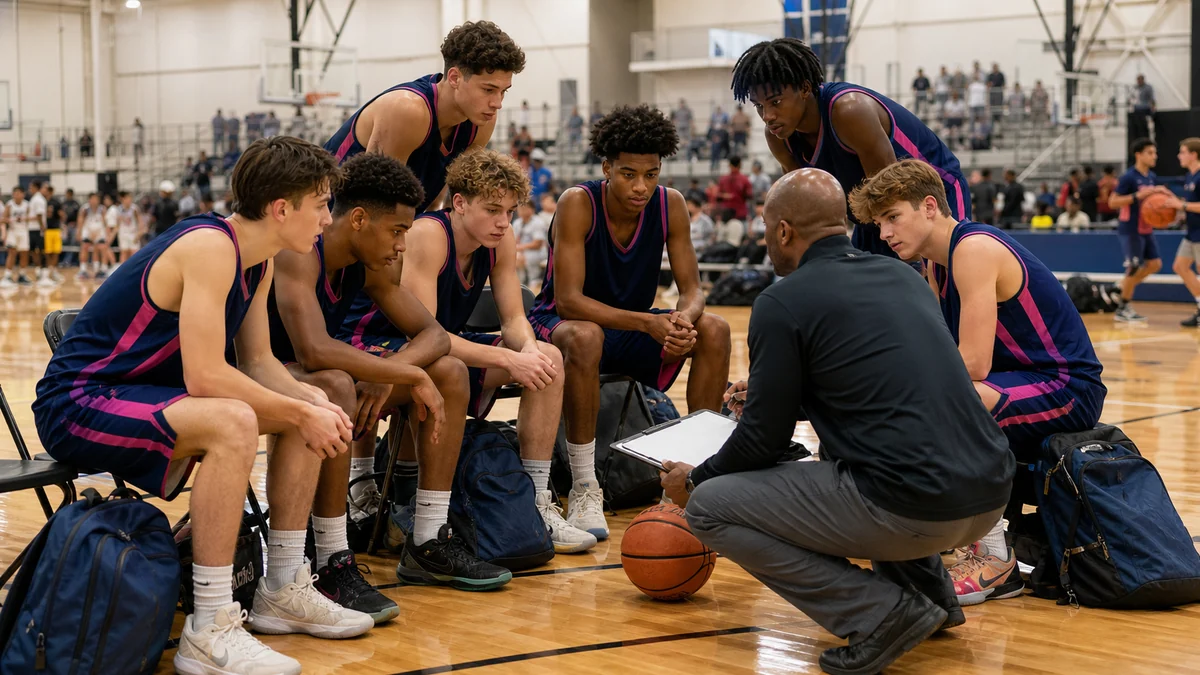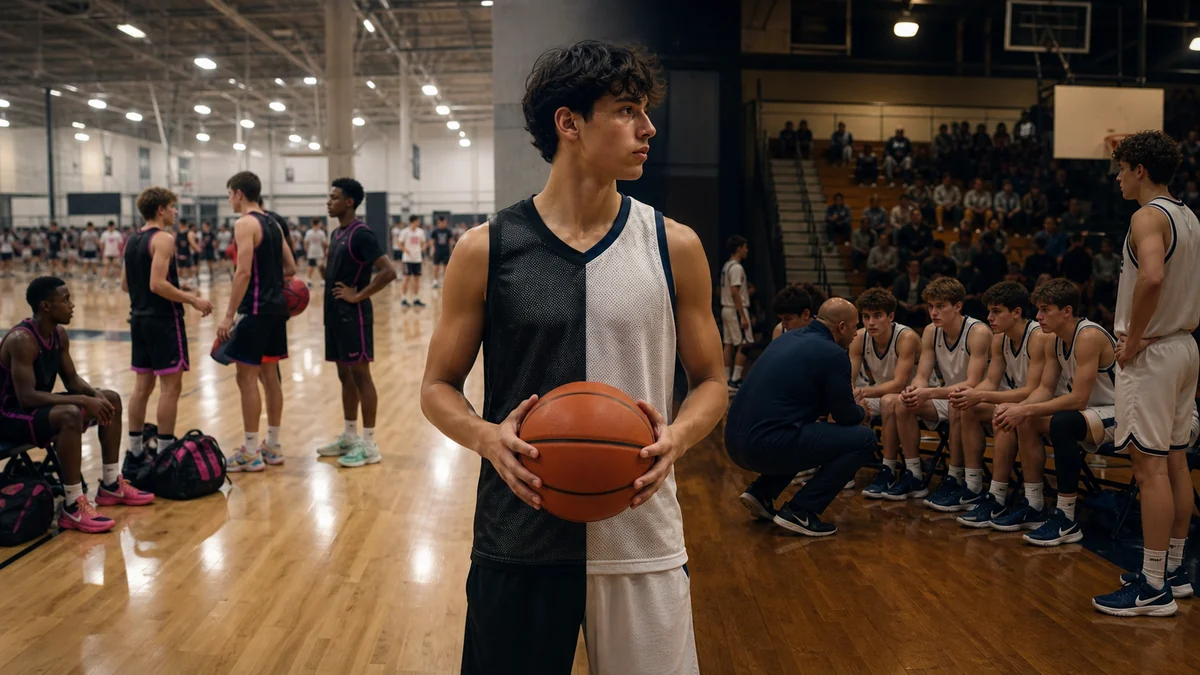


Ang maikling bersyon: Pumili ng basketball camp o showcase sa pamamagitan ng pagtukoy muna sa layunin nito. Ang isang development camp ay dapat magbigay sa iyo ng coaching, pag-uulit, at feedback. Ang isang competition event ay dapat magbigay sa iyo ng tapat na antas ng laro. Ang isang recruiting event ay dapat may verifiable format, makatotohanang audience, at transparent na patakaran. Bago ka magbayad, ihambing ang operator ng event, iskedyul, staff, player pool, kabuuang gastos, safety plan, video policy, at refund terms. Maaaring mahalaga ang NCAA certification para sa isang partikular na event at isang partikular na recruiting context, ngunit hindi ito garantiya ng contact, isang offer, o isang scholarship.
Mga pangunahing aral
- Magsimula sa isang tiyak na layunin: pagpapaunlad, kompetisyon, ebalwasyon, o eksposura.
- Beripikahin ang operator, staff, iskedyul, mga patakaran ng kalahok, at patakaran sa refund bago magrehistro.
- Ituring ang isang pahayag sa pag-recruit bilang isang tanong na dapat imbestigahan, hindi patunay ng isang resulta.
- Pumili ng antas ng kaganapan na lumilikha ng kapaki-pakinabang na desisyon, hindi lamang mga nakakatuwang resulta.
- Umalis na may planong pagsusuri: tukuyin kung ano ang natutunan at kung ano ang dapat tugunan ng susunod na training block.
Para saan ba talaga ang event?
Karamihan sa mga masasamang desisyon tungkol sa mga kampo ay nagsisimula bago ang pahina ng pagpaparehistro. Nakikita ng isang manlalaro o magulang ang isang kahanga-hangang pasilidad, isang sikat na pangalan, o isang mahabang listahan ng mga koponan at ipinapalagay na ang bawat kaganapan ay nagsisilbi sa parehong layunin. Hindi. Ang isang skills camp, isang team camp, isang league weekend, isang individual showcase, at isang NCAA-certified evaluation event ay maaaring maging kapaki-pakinabang, ngunit lumilikha sila ng iba't ibang oportunidad.
Sumulat ng isang pangungusap bago ihambing ang mga event: Sa pagtatapos ng weekend na ito, ano ang kailangan nating malaman o pagbutihin? Ang isang mas batang manlalaro ay maaaring mangailangan ng de-kalidad na pagtuturo at sapat na pag-uulit upang makabisado ang isang galaw. Ang isang manlalaro ng high school ay maaaring mangailangan ng kompetisyon na maglalantad kung ang kanilang kasalukuyang handle, pace, at finishing ay sapat. Ang isang prospect ay maaaring mangailangan ng makatotohanang larawan ng kanilang antas at isang organisadong paraan upang magbahagi ng verified na video. Hindi maaaring husgahan nang patas ang isang event hangga't hindi malinaw ang layunin nito.
Ang mga resources ng manlalaro ng USA Basketball ay naghihiwalay ng mga skills at drills, mga youth guideline, at isang player-development curriculum. Ito ay isang kapaki-pakinabang na paalala na ang pag-unlad ay mas malawak kaysa sa isang weekend at na ang isang kaganapan ay dapat na akma sa isang mas malaking plano. mga resources ng manlalaro ng USA Basketball Gamitin ang kaganapan bilang isang input sa plano, hindi bilang kapalit nito.
Suriin ang operator bago mo ikumpara ang hype
Hanapin ang organisasyon na nagmamay-ari ng kaganapan, hindi lamang ang influencer o atleta na ang pangalan ay lumalabas sa isang ad. Ang isang mapagkakatiwalaang organizer ay maaaring tukuyin ang lugar, mga petsa, mga panuntunan sa edad o grado, mga tungkulin ng staff, mga pamamaraan sa emergency, mga tuntunin sa pagbabayad, at isang contact na makakasagot ng isang partikular na tanong. Dapat gawing posible ng pahina ng pagpaparehistro na maunawaan kung ano ang kasama at kung ano ang hindi.
Humingi ng mga operational facts nang nakasulat. Ang bayad ba ay para sa isang manlalaro, isang team, o pareho? Kasama ba rito ang uniporme, pagkain, tirahan, insurance, video, o hiwalay na bayad sa admission? Ano ang mangyayari kung masaktan ang isang atleta, magbago ang iskedyul, o makansela ang event? Ang patakaran ba sa refund ay full refund, credit, transfer, o walang refund pagkatapos ng nakasaad na petsa? Ang isang malinaw na sagot ay hindi awtomatikong ginagawang maganda ang event, ngunit ang isang malabong sagot ay dahilan upang mag-ingat.
Para sa isang team event, itanong kung paano binuo ang mga pool, ilang garantisadong laro ang mayroon, at kung ang huling iskedyul ay inilabas bago maging nonrefundable ang pagbiyahe. Para sa isang indibidwal na event, itanong kung paano pinagsasama-sama ang mga manlalaro at kung ang ebalwasyon ay may kasamang aktwal na live play o mga station lamang. Ang isang magandang showcase ay hindi kailangang mangako na bawat manlalaro ay matutuklasan. Dapat nitong ipaliwanag nang maayos ang format upang ang isang pamilya ay makapagpasya sa oportunidad nang hindi nanghuhula.
Unawain kung ano ang sinasabi at hindi sinasabi ng NCAA certification
Ang sertipikasyon ng basketball ng NCAA ay isang proseso para sa mga kaganapan at liga, hindi isang pagraranggo ng bawat kampo at hindi isang pangako ng scholarship. Ang Basketball Certification System ng NCAA ay humahawak ng mga kahilingan para sa sertipikasyon at pagbuo ng koponan ng kaganapan o liga. Naglalathala rin ang site nito ng mga resources sa pagpaparehistro ng kaganapan at kasalukuyang recruiting calendars. Sertipikasyon ng Basketball ng NCAA
Mahalaga ang kontekstong iyon kapag gumagamit ang isang operator ng mga salitang tulad ng certified, approved, o exposure. Magtanong ng isang partikular na tanong: Aling event ang certified, para sa aling division at season, at saan ko ito mapapatunayan? Pagkatapos, suriin ang opisyal na sistema o kontakin ang organizer. Maaaring makaapekto ang certification sa mga kondisyon kung saan maaaring dumalo at magmasid ang mga Division I coach sa mga prospective student-athlete. Hindi nito sinasabi sa iyo kung ang isang partikular na coach ay dadalo, manonood ng iyong court, magugustuhan ang iyong laro, may roster space, o makakapagbigay ng tulong.
Inilalarawan ng enforcement at certification group ng NCAA ang certification ng basketball event bilang isang paraan para sa isang activity operator na nakakatugon sa mga naaangkop na kinakailangan upang makakuha ng certification na nagpapahintulot sa mga Division I coach na dumalo at magmasid sa mga prospective student-athlete. pangkalahatang-ideya ng certification ng NCAA ECAG Iyan ay mahalagang konteksto ng access, hindi isang pangako tungkol sa resulta ng pagdalo. Panatilihing tapat ang iyong sariling mga inaasahan at komunikasyon.
Suriin ang coaching, hindi lang ang mga pangalan
Ang isang kinikilalang dating manlalaro ay maaaring magdagdag ng enerhiya, ngunit ang isang kaganapan sa pagpapaunlad ng manlalaro ay nangangailangan pa rin ng sapat na 'teaching density'. Alamin kung sino ang namumuno sa isang grupo, gaano karaming atleta ang nasa grupong iyon, at kailan nakakatanggap ng feedback ang mga atleta. Abangan ang isang iskedyul na nagbibigay ng espasyo para sa pagtuturo, demonstrasyon, pag-uulit, pagwawasto, at pagkakataong subukang muli ang pagwawasto.
Tanungin kung ano ang aktwal na oobserbahan ng mga coach. Ang isang kapaki-pakinabang na sagot ay nagpapangalan ng mga pag-uugali sa basketball: footwork bago ang isang shot, mga desisyon pagkatapos ng closeout, proteksyon ng bola sa ilalim ng pressure, timing ng pagpasa, defensive stance, komunikasyon, at pagtugon sa mga pagkakamali. Ang isang sagot na nangangako lamang ng kumpiyansa, intensity, o exposure ay hindi naman mali; hindi lang ito isang paglalarawan kung paano nagtuturo o nagtatasa ng basketball ang kaganapan.
Para sa mas batang manlalaro, ang pinakamahusay na akma ay madalas na may mga coach na kayang i-scale ang isang gawain pataas o pababa. Para sa mas matatandang manlalaro, ang pinakamahusay na akma ay maaaring may mas maraming 'live decisions' at pagsusuri ng video. Wala sa dalawa ang nangangailangan ng mahiwagang 'coach-to-player ratio' upang maging kapaki-pakinabang. Kailangan nito ng isang format na nagpapahintulot sa feedback at isang kapaligiran kung saan maaaring kumilos ang isang manlalaro dito.
Itugma ang antas ng kompetisyon sa susunod na problema
Huwag pumili ng showcase dahil lang sa tila elite ang field, at huwag pumili ng low-pressure event dahil lang sa ginagarantiya nito ang mga highlight. Ang tamang antas ay ang nagpapakita ng susunod na problema nang hindi ginagawang magulo ang bawat possession. Kung ang isang manlalaro ay nangingibabaw sa bola ngunit bihirang kailangang gumawa ng pangalawang pagbasa, maaaring masyadong madali ang kaganapan. Kung hindi makapasok ang manlalaro sa anumang aksyon o hindi maintindihan ang bilis, maaaring hindi pa lumilikha ng kapaki-pakinabang na pag-aaral ang kaganapan.
Magtanong kung paano nabubuo ang mga 'roster', koponan, at laro. May opisyal ba ang mga laro? Gaano katagal ang mga laro? Mayroon bang maraming 'possession' at tungkulin, o bawat manlalaro ay nakakakuha ng ilang nakahiwalay na pagkakataon? Pinahihintulutan ba ng iskedyul ang paggaling at pagninilay? Ang isang balanseng format ay maaaring mas mahalaga kaysa sa isang solong dramatikong laban dahil nagbibigay ito sa isang manlalaro ng sapat na ebidensya upang makita ang isang pattern.
Nakakatulong ang film dito. Mag-record lamang kung saan pinapayagan ng mga panuntunan ng venue at kaganapan, pagkatapos ay panoorin ang mga desisyon sa halip na mga makes lamang. Nakita ba ng manlalaro ang tulong? Pinrotektahan ba ang bola? Bumalik ba sa sprint? Nakipag-ugnayan ba? Gumawa ba ng pangalawang pagsisikap? Ang isang manlalaro ay maaaring magkaroon ng tahimik na stat line at makakuha pa rin ng mataas na halaga ng ebalwasyon mula sa isang mahirap, maayos na pagpapatakbo ng setting. Paano isulong ang mga basketball drill para sa paglipat sa laro
Kumpletuhin ang paghahambing ng gastos
Bumuo ng isang simpleng 'all-in budget' bago mag-commit. Isama ang 'registration fee', 'processing fee', 'team fee', uniporme, paglalakbay, tirahan, pagkain, transportasyon sa lupa, 'admissions', at anumang 'add-on video' o 'recruiting package'. Pagkatapos, ihambing ang kabuuang iyon sa kung ano ang matatanggap ng manlalaro: oras ng pagtuturo, mga laro, format ng pagsusuri, karapatan sa video, at isang makatotohanang susunod na hakbang.
Ang gastos ay hindi katumbas ng kalidad. Ang isang mas murang lokal na kampo na may partikular na coaching at isang matibay na follow-up plan ay maaaring mas mahusay kaysa sa isang mamahaling biyahe na nag-aalok lamang ng isang masikip na gym. Sa kabilang banda, ang paglalakbay ay maaaring magkaroon ng saysay kapag ang kompetisyon, pagtuturo, o layunin ng pamilya ay tunay na naiiba sa kung ano ang available sa lokal. Ang tapat na pagsubok ay kung ang kaganapan ay lumilikha ng impormasyon o pag-aaral na hindi mo makukuha sa mas mababang halaga sa ibang lugar.
Gumamit ng decision checklist bago magparehistro
- Pangalanan ang layunin: pagpapaunlad, kompetisyon, ebalwasyon, o konteksto ng pag-recruit.
- Beripikahin ang operator: lugar, staff, mga kontak, mga patakaran, plano sa kaligtasan, at mga tuntunin sa refund.
- Basahin ang format: mga istasyon, live play, mga laro, pagpapangkat, pag-oopisina, feedback, at patakaran sa video.
- Suriin ang recruiting language: i-verify ang mga claim sa sertipikasyon at ihiwalay ang pagdalo mula sa mga resulta.
- Presyuhan ang buong biyahe: ihambing ang kabuuang gastos sa isang lokal na alternatibo.
- Planuhin ang follow-up: magpasya kung anong film, mga tala, at susunod na aksyon sa pagsasanay ang magmumula sa kaganapan.
Magdala ng maliit na notebook o isang shared phone note. Pagkatapos ng bawat araw, isulat ang isang lakas na nanatili, isang problema sa basketball na lumitaw, at isang tanong para sa susunod na coach o practice. Ginagawa nitong development input ang weekend sa halip na isang alaala ng mga highlight at scores. Gabay sa paghahanda para sa tryout ng high school basketball
Mga madalas itanong
Ginagarantiya ba ng isang kaganapan sa basketball na sertipikado ng NCAA ang pag-recruit sa kolehiyo?
Hindi. Ang sertipikasyon ay maaaring magbigay ng opisyal na konteksto ng kaganapan at maaaring makaapekto sa mga patakaran sa pagdalo ng coach, ngunit hindi nito ginagarantiya kung sino ang dadalo, kung sino ang manonood ng manlalaro, isang roster opening, pagpasok, tulong, o isang alok.
Ano ang dapat kong itanong sa isang basketball showcase bago magparehistro?
Tanungin kung sino ang nagpapatakbo nito, kung paano pinagsasama-sama ang mga manlalaro, kung gaano karaming live play ang mayroon, kung may opisyal ang mga laro, kung sino ang nagbibigay ng feedback, kung anong video ang kasama, ang kabuuang gastos, at ang nakasulat na mga patakaran sa refund at kaligtasan.
Paano ko malalaman kung ang isang camp ay ang tamang antas?
Pumili ng setting na lumilikha ng kapaki-pakinabang na mga desisyon sa basketball. Dapat nitong ipakita ang susunod na kasanayan na sasanayin nang hindi masyadong madali na walang nasusubukan o masyadong mahirap na hindi matuto ang manlalaro mula sa mga reps.