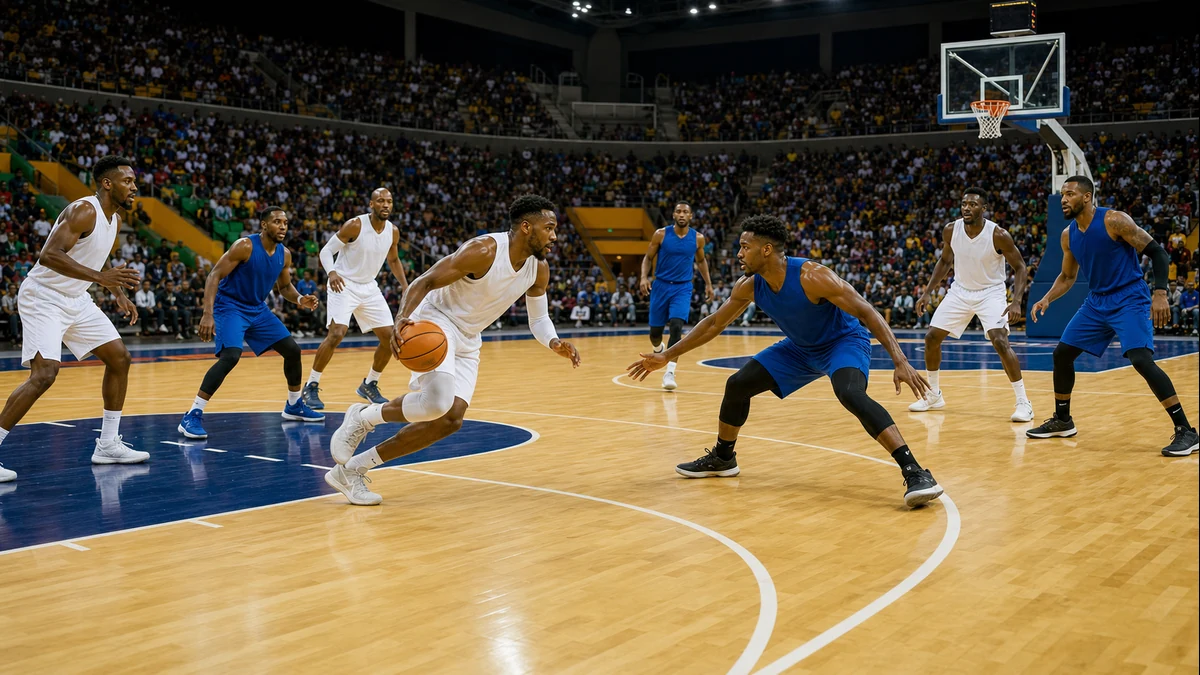


Kısa versiyon: NCAA Transfer Portal, mevcut okullarına transfer olmak istediklerini bildiren öğrenci-sporcuları listeleyen merkezi bir veritabanıdır. Division I'de, portal'a girmek, diğer Division I okullarındaki atletizm personelinin sporcuyla iletişime geçmesine olanak tanıyabilir. Bu, bir transfer kararının sadece bir parçasıdır. Bir oyuncunun hala bölüme özgü zamanlamayı, akademik ilerlemeyi, uygunluğu, mali yardımı, kabulü, kadro fırsatını ve yeni programın gerçekten daha iyi bir uyum olup olmadığını anlaması gerekir. Kurallar değişebilir, bu nedenle özel durumunuz için güncel NCAA materyallerini ve uyum ofisinizi kullanın.
Öne çıkan noktalar
- Portal girişi mevcut okula bildirimle başlar; bu bir self-servis işe alım hesabı değildir.
- Portala dahil olmak bir iletişim yolu açar, ancak yeni bir takım, yardım, kabul veya anında uygunluk garantisi vermez.
- Lig, transfer yolu ve takvim zamanlaması geçerli kuralları değiştirebilir.
- Akademik krediler, derece ilerlemesi, burs, sağlık ve program uyumu, basketbol fırsatıyla aynı ilgiyi hak eder.
- Bireysel bir yanıt için resmi NCAA kaynaklarını ve mevcut veya potansiyel okulun uyum ofisini kullanın.
NCAA Transfer Portal nedir?
Transfer Portalı bir NCAA veri tabanıdır, halka açık bir serbest oyuncu panosu değil. Transfer etmeyi düşünen bir öğrenci-sporcu mevcut okulunu bilgilendirir. Okul, sporcunun adını portala girer. NCAA, portal girişinin diğer okullara sporcunun müsait olduğunu işaret ettiğini ve koçlardan iletişim kurma kapısını açtığını açıklar. NCAA transfer kuralları ve uygunluğu
Bu tanımı doğru tutmaya değer. Portala girmek bir iletişim ve süreç adımıdır. Mevcut bir kaydı silmez, kabul mektubu düzenlemez, burs oluşturmaz, kadroda yer ayırmaz veya her uygunluk şartının karşılanıp karşılanmadığına karar vermez. Bir oyuncu başka bir programdan ilgi görebilir ve yine de akademik konular, yardım, zamanlama, tıbbi destek ve orada rekabet etmek için gereken kesin şartlar hakkında cevaplara ihtiyaç duyabilir.
Aileler ve taraftarlar için portal bir işlem listesi gibi görünebilir. Bir öğrenci-sporcu için bu, akademik ve atletik sonuçları olan bir karardır. Öncelikle bir araştırma projesi olarak ele alın. Bildirimden önce sorular ne kadar spesifik olursa, bir oyuncunun ilgiyi tam bir fırsatla karıştırma olasılığı o kadar azalır.
Bir oyuncu okuluna bildirimde bulunduktan sonra ne olur?
İlk pratik adım, mevcut kurumdaki atletizm uyum ofisiyle iletişime geçmektir. Okulun bildirim için ne istediğini, talebi nasıl kaydettiğini, ismin ne zaman girileceğini ve hangi akademik veya yardım görüşmelerinin paralel olarak yapılması gerektiğini sorun. Tarihlerin ve ilgili kişilerin yazılı kaydını tutun.
Listelendikten sonra, iletişim kuralları bölüm ve transfer yoluna bağlıdır. NCAA, portal'da yer alan ve Division I'de yarışmayı planlayan öğrenci-sporcuların diğer Division I okullarındaki atletizm personeli tarafından iletişime geçilebileceğini belirtiyor. Division II'nin kendi kaynakları vardır ve Division III, Division III'e transfer olmayı planlayan sporcular için bir iletişim izni kendi kendine serbest bırakma süreci kullanır. Pratik çıkarım basittir: bir bölümün sosyal medya açıklamasını başka bir bölüm için kural olarak kullanmayın.
Bir sonraki iyi adım, görüşmeler başlamadan önce kısa bir bilgi formu hazırlamaktır: akademik yıl, hedeflenen derece yolu, mevcut krediler, akademik destek ihtiyaçları, basketbol rolü, pozisyon, maç görüntüleri, sağlık durumları, ailevi kısıtlamalar ve uygun olabilecek program ortamı. Bu, bir oyuncunun ilk mesaja tepki vermek yerine gerçek fırsatları karşılaştırmasına yardımcı olur.
Mevcut Division I basketbol transfer dönemleri nelerdir?
Erkekler ve kadınlar Division I basketbolu için NCAA, Ocak 2026'da, ilgili NCAA turnuvasının şampiyonluk maçından sonraki gün başlayarak 15 gün boyunca transfer bildirimi penceresinin açılacağını duyurdu. Aynı duyuru, baş antrenör değişikliğiyle bağlantılı ek bir 15 günlük pencereyi, zamanlama koşullarıyla birlikte açıklıyor. NCAA Division I basketbol transfer penceresi güncellemesi
Bu tarihler önemlidir, ancak evrensel bir takvim kısayolu olarak ele alınmamalıdır. Bir pencere, belirli bir ayarda bir bildirim eyleminin ne zaman mevcut olabileceğini söyler. Bir oyuncunun transfer türü, kayıt geçmişi, akademik kaydı veya uygunluğu hakkındaki her soruyu yanıtlamaz. Ayrıca, bir oyuncunun yeni bir okulda hemen rekabet edebileceğini garanti etmez. NCAA özellikle basketbolda, ilk akademik dönemde bir NCAA okuluna kaydolan ara dönem transferlerinin, orada yarışmış olsalar da olmasalar da ikinci bir okulda yarışmaya uygun olmadığını belirtir.
Herhangi bir karardan önce, tarihi ve kural setini uyumluluk birimiyle teyit edin. NCAA, bölüme özel transfer rehberleri, akış şemaları, SSS ve kılavuzlar bulundurur, çünkü cevap sporcunun iki yıllık bir programdan, dört yıllık bir programdan, bölümler arasında veya belirli bir akademik takvim içinde geçiş yapıp yapmadığına bağlı olabilir. Bu materyaller bir başlangıç noktasıdır, kişiselleştirilmiş tavsiye değildir.
Portala giriş, uygunlukla aynı şey değildir
Süreci tek bir cümleye sığdırmak cazip gelebilir: portal'a gir, bir okul bul, gelecek sezon oyna. Bu, sorumlu bir planlama şekli değildir. Uygunluk, transfer geçmişi, kayıt zamanlaması, akademik durum, dereceye doğru ilerleme ve kabul eden bölümün kurallarını içerebilir. Kabul, kurum tarafından belirlenir. Mali yardım, okulun süreci aracılığıyla belirlenir. Kadro pozisyonu, programın ihtiyaçlarına ve personelin takdirine bağlıdır.
Her kararı bir karşılaştırma sayfasında ayırın. Uygunluk altında, uyumluluk için soruları listeleyin. Akademik altında, transfer kredi değerlendirmesi, ana dal gereksinimleri, özel ders ve derece zaman çizelgesini listeleyin. Basketbol altında, rol, stil, gelişim planı, sağlık kaynakları, antrenman beklentileri ve programın oyuncu için gerçekçi bir yolu olup olmadığını listeleyin. Yaşam altında, konum, maliyet, konaklama, destek ağı ve günlük ortamı listeleyin. Bir portal seçimi, dört sütunun hepsinden sağ çıkarsa daha güçlüdür.
Oyuncular ayrıca bir antrenörün ilgisi ile bir okul taahhüdü arasında ayrım yapmalıdır. Bir konuşma anlamlı olabilir, ancak yine de durum tespiti sürecinin başlangıcıdır. Doğrudan sorular sorun, yazılı olarak takip edin ve kararın akademik tarafına basketbol teklifi kadar ciddiyetle yaklaşın.
Potansiyel bir program nasıl değerlendirilir
Bir marka adından ziyade uyumla başlayın. Takımın hücum ve savunma görüntülerini izleyin. Kendi pozisyonunuzdaki oyuncuların gerçekten hangi kararları verdiğini belirleyin. Kadroyu, geri dönen oyuncuların oynama sürelerini, sınıf dengesini ve oyun stilini inceleyin, ancak derinlik tablosundaki bir boşluğun bir vaat olduğunu varsaymayın. Personele hangi rolü gördüklerini, bir oyuncunun süre almak için ne göstermesi gerektiğini ve o rol için önemli olan belirli becerileri nasıl geliştirdiklerini sorun.
Ardından akademik ve destek yapısını araştırın. Ana dal, basketbol programıyla uyumlu mu? Krediler nasıl değerlendiriliyor? Bir ders mevcut değilse ne olur? Sakatlık iyileşmesi, beslenme, ruh sağlığı ve kariyer planlamasını kim destekliyor? İyi bir program bu soruları sadece sloganlarla değil, insanlarla ve süreçlerle yanıtlayabilir.
İzin verildiği yerlerde mevcut ve eski oyuncularla konuşmak için zaman ayırın. İletişim, hesap verebilirlik, seyahat, antrenman, akademik destek ve endişelerin nasıl ele alındığı hakkında bilgi alın. Tek bir konuşma tüm bir programı temsil edemez, ancak birkaç kişi arasındaki ortak noktalar, yaşanan deneyimin işe alım sunumuyla eşleşip eşleşmediğini ortaya çıkarabilir.
Kaçınılması gereken yaygın hatalar
Temel araştırma yapmadan girmek. Bir oyuncu, süreç diğer programlara açık hale gelmeden önce olası akademik ve uygunluk sorularını anlamalıdır. Uyum yerine görünürlük peşinde koşmak. Daha fazla mesaj otomatik olarak daha iyi seçenekler anlamına gelmez. Derece yolunu göz ardı etmek. Mezuniyeti geciktiren veya temel desteği ortadan kaldıran bir basketbol hamlesi maliyetli olabilir. Bir gönderiden takvim tavsiyesi almak, kontrol etmeden. Transfer kuralları ve pencereleri, her zaman geçerli motivasyonel içerik değil, politika detaylarıdır. Yeni bir koçun eski bir sorunu çözeceğini varsaymak. Neyin değişmesi gerektiği konusunda spesifik olun: rol, sistem, gelişim, konum, akademik veya başka bir şey.
Bu uyarıların hiçbiri bir transferin yanlış olduğu anlamına gelmez. Bunlar, bir oyuncunun bu hamlenin neden tam öğrenci-sporcu durumunu iyileştirdiğini açıklayabilmesi gerektiği anlamına gelir. Bu açıklama, kararı test edilebilir kıldığı için aile, uyumluluk birimi ve potansiyel programlarla yapılan görüşmelerde faydalıdır.
Sorumlu bir transfer-portal kontrol listesi
- Uyumluluğu sağlayın: hangi kuralların, tarihlerin, belgelerin ve transfer yolunun sizin için geçerli olduğunu sorun.
- Akademik denetim: bir hamlenin tarafsız olduğunu varsaymadan önce kredi ve diploma ilerlemesi hakkında bir görüşme talep edin.
- Basketbol uyumunu tanımlayın: ihtiyacınız olan rolü, stili, gelişimi ve ortamı belirtin.
- Her okulu araştırın: kabul koşulları, burs, kadro, program kültürü, destek ve konum.
- Kayıtları tutun: resmi yazışmaları, zaman çizelgelerini ve her okul tarafından yanıtlanan soruları kaydedin.
- Tüm resmi görerek karar verin: tek bir teklifin, tek bir hayal kırıklığının veya tek bir sosyal medya gönderisinin sizin yerinize seçim yapmasına izin vermeyin.
İleriye dönük düşünen lise adayları için, üniversite öncesinde aynı alışkanlık yardımcı olur: sadece logoyu değil, günlük akademik ve basketbol ortamını değerlendirin. Lise Oyuncuları İçin Üniversite Basketbolu Transfer Rehberi
Sıkça sorulan sorular
Transfer portalına girmek yeni bir basketbol takımını garantiler mi?
Hayır. Portala giriş, iletişim için bir yol oluşturur. Ancak kabulü, mali yardımı, kadroda yer almayı, bursu veya geçerli kurallar uyarınca yeni bir okulda rekabet etme uygunluğunu garanti etmez.
Division I basketbol oyuncuları istedikleri zaman transfer olabilir mi?
Hayır. Division I basketbolu, transfer bildirim pencerelerini kullanır ve belirli durumlara ek kurallar uygulanabilir. Size uygulanan kesin gerçekler için mevcut NCAA kaynaklarını ve uyumluluk birimini kontrol edin.
Bir oyuncunun transfer uygunluk sorularını kim yanıtlamalıdır?
Mevcut okulda veya oyuncunun gitmeyi planladığı okulda bulunan atletizm uyumluluk ofisi, bireysel uygunluk sorusunu yanıtlamalıdır. NCAA rehberleri ve akış şemaları faydalı başlangıç noktalarıdır, ancak okula özel incelemenin yerini tutmazlar.