
The short version: Ask for a role conversation, listen for observable priorities, follow through on the named work, and stay team-focused.
Key takeaways
- Schedule a direct conversation about your role and development priorities.
- Ask what you can change to help the team succeed.
- Use self-scouting and coach feedback to choose specific follow-up work.
- Stay engaged, positive, and team-focused when minutes are limited.
- Clear expectations and committed work do not guarantee playing time.
How should a player start the conversation?
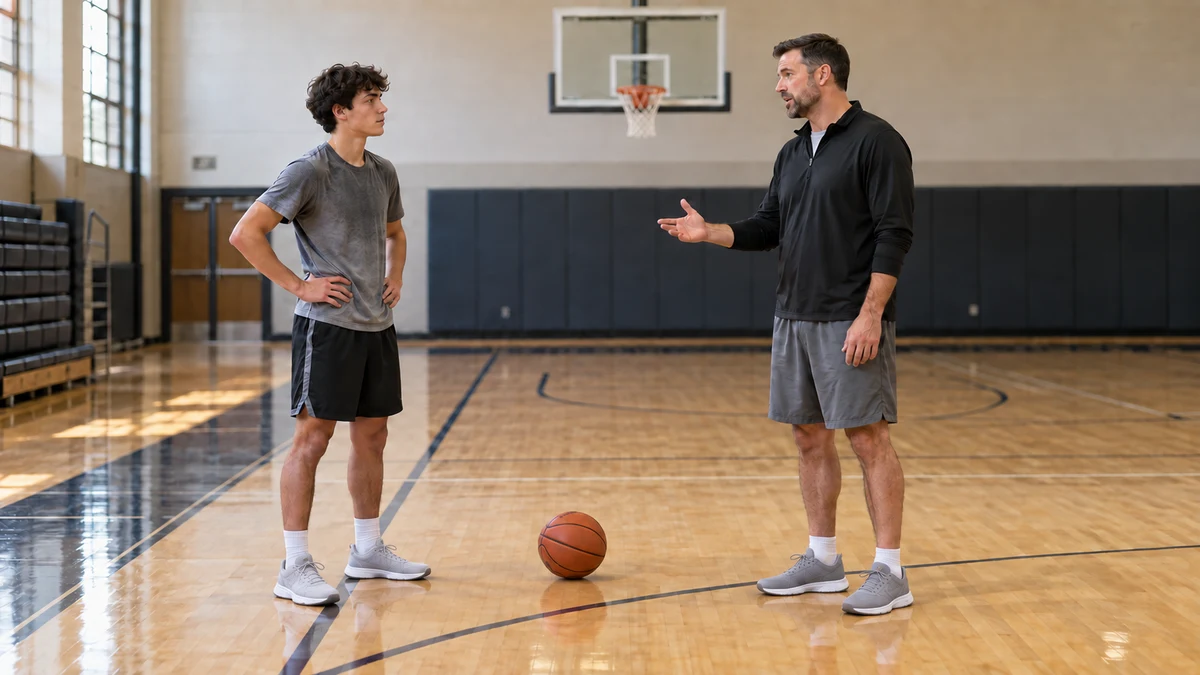
When you want more playing time, the first step is to have a conversation with your coach. Ask to schedule a meeting rather than leaving the subject unspoken. During that discussion, talk openly about the role your coach sees for you and your desire to play more. The purpose of requesting the meeting is to address those two subjects directly with the person defining your team role. 7 Tips To Get More Playing Time - Sports Connect
Ask what you need to do or change to help the team succeed. That wording places the team’s needs at the center of your request while still inviting guidance about your own development. Framing a desire for more opportunity around the team’s betterment presents you as a player who is prepared to learn and grow, rather than as someone asking the coach to award minutes without change.
What role clarity can—and cannot—settle
A coach may respond by explaining the role they see you filling or by identifying parts of your game that need improvement. Listen for both kinds of information: the team function being described and the development work being named. Once the coach has provided a clear guideline about what is expected and what you need to do, you can begin working on the areas included in that guidance.
Role clarity can include whether another position is worth discussing. If several players are ahead of you at your current position, you can ask the coach about a possible switch. For example, a team that already has four post players might have a post develop shooting and move toward a wing role. That route requires learning different skills and accepting a new team role, so it may take longer to produce a playing-time opportunity.
A clear role and committed follow-through do not guarantee additional minutes. Even when a player applies the guidance and does everything correctly, the rotation may not have room for a larger opportunity. A player can acknowledge that limit, continue enjoying the team experience, and choose to be the best teammate possible. That is a valid response when effort and improvement do not change the available minutes.
What evidence should guide the follow-up work?
Self-scouting your games gives you a way to participate in practice-plan design. Review the situations you experienced and identify the plays or skill sets you were most comfortable using. Over time, athletes can become better at recognizing situations they may encounter in games and identifying the plays or skills they are comfortable using successfully. Coaches: Creating Meaningful Practices to Achieve Success
Your observations can include what happens while you are not on the floor. To make the most of the minutes you receive, remain involved from the bench. Know which offense and defense your team is running, and know whom you are responsible for guarding. Those are specific parts of the game that a player can follow while waiting to enter, rather than mentally separating from the possession.
A coach can read readiness for more minutes through what happens immediately after an error. Instead of dropping your head or withdrawing from the next action, answer the mistake with a major hustle play.
If conditioning is behind, the guidance supports adding wind sprints. If basketball skills need work, one suggested option is an extra 10 to 20 minutes per day of ball-handling or form shooting. basketball skills need work
If memorizing plays is the stated problem, ask the coach about watching film or ask teammates to help before or after practice. Any extra film, teammate-supported study, conditioning, ball-handling, or shooting work is additional to the team’s daily practices.
How should a player respond between conversations?
Maintaining a good attitude through adversity is identified as a quality of a good athlete. Pouting about limited playing time is likely to reduce rather than expand a player’s opportunity. Cheering for teammates from the bench and spreading positivity moves in the other direction: the coach is more likely to play a teammate who stays positively engaged.
Focus on serving the team and giving your highest effort so you can become a reliable player, rather than chasing the label of star player. A player who is not among the team’s most skilled may need to compensate through effort. Consistent full effort shows the coach how much the player wants the opportunity, and every team needs someone prepared to produce hustle plays.
A concrete hustle action, such as diving on the floor for a loose ball, can demonstrate dedication to the coach. By contrast, allowing frustration about minutes to fester can create distance between the player, teammates, and coach. Opportunities may also change unexpectedly because a teammate is injured, players graduate, or the team adopts a new style of play.
How can coaches turn player feedback into practice?
When athletes are encouraged to describe their experiences, coaches may discover the situations in which those athletes feel unprepared. Coaches can then plan for those situations with confidence-building work. Multifaceted practices further give student-athletes a voice by allowing them to offer feedback on practice and game plans and participate in making those plans their own.
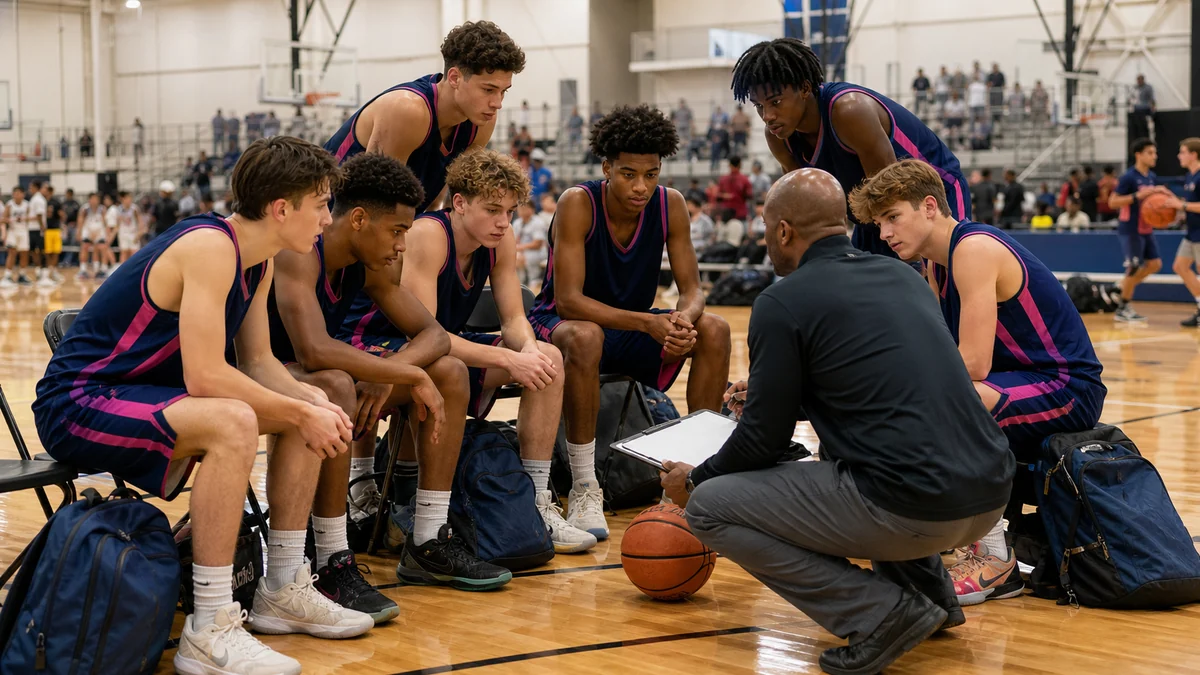
A coach might gather players around an action such as a missed pass, then use the situation and the proposed response as a shared learning experience. Briefly adding game scenarios to practice can check whether athletes understand what might happen during a game and can support their understanding of how to respond successfully.
Sudden-change events introduced during practice can help students respond quickly without panic and increase the likelihood of success. Coaches can set the day’s tone through an inspiring quote, an announcement, or straightforward reinforcement of offensive and defensive philosophies. The mental side of sport also needs to be taught and reinforced.
A list of drills by itself is not enough to create success. Practice design that exposes athletes to a broad variety of skill improvement can help both individual players and the team improve.
How can coaches and parents keep expectations aligned?
School leaders who consistently support communication—and the details required to make it happen—are more likely to build strong, successful programs. Sharing practice plans with students, parents, and coaches can give those groups a more unified understanding, even though athletes may learn in different ways and may have had different levels of exposure to various settings. different levels of exposure to various settings
One supported communication practice is emailing a weekly plan to athletes, parents, and coaches. That shared plan keeps the three groups on the same page about the coming week, can build excitement for what lies ahead, and lets participants know how to prepare mentally for each day.
School leaders can address the creation of a meaningful student-athlete experience during every preseason meeting with head coaches. Coaches can support that experience through multifaceted practice planning, which shows athletes that their coaches care and are invested in the team experience. meaningful student-athlete experience