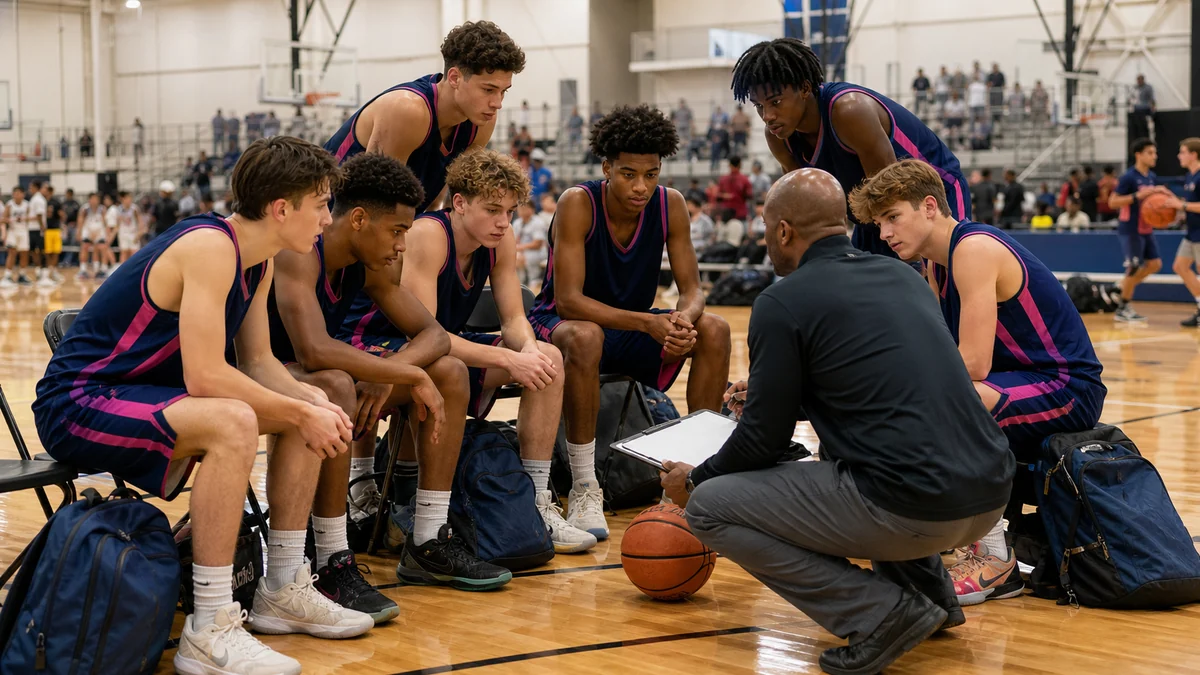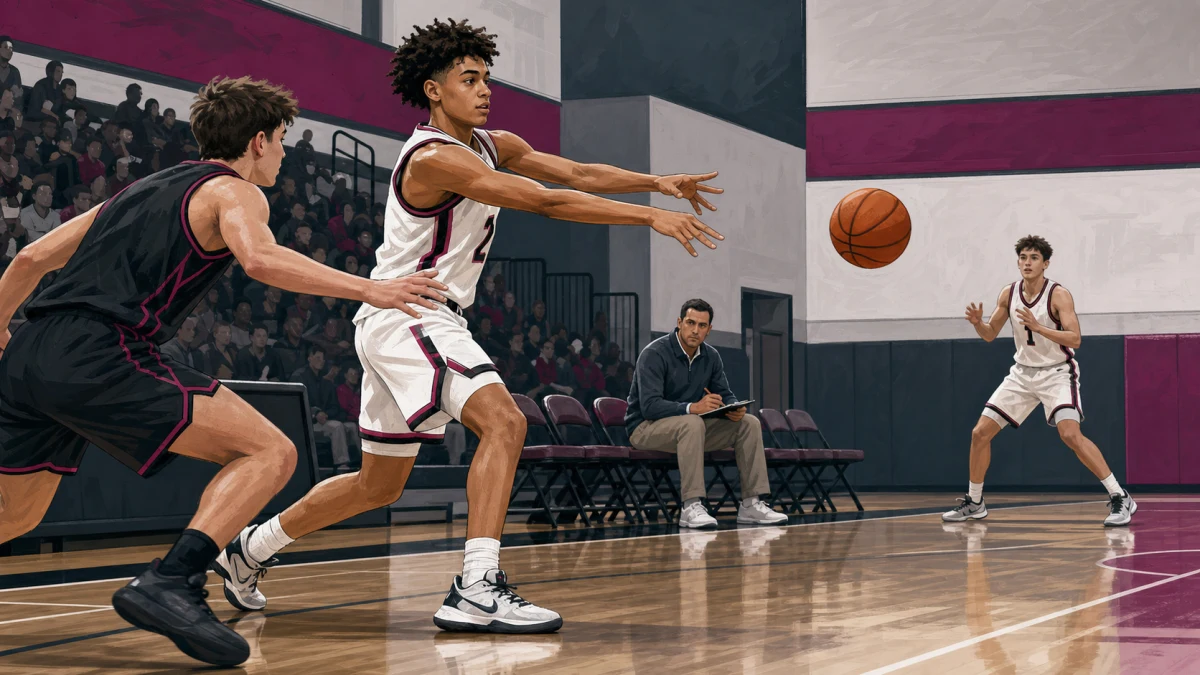


The short version: Before practice, write one observable focus. After practice, record what actually happened, one piece of evidence, and the next action. Add a brief recovery note and a specific question for your coach when needed. Keep entries short enough to repeat all season.
Key takeaways
- Choose one practice focus that can be observed, not a vague goal such as getting better.
- Separate evidence from emotion so one good or bad session does not control the plan.
- Turn every entry into a small next action for the following workout or team practice.
- Use the journal to improve coach conversations, not to grade teammates or argue for minutes.
What a basketball practice journal should do
A basketball practice journal is a compact record of what you intended to train, what you observed, and what you will do next. It should help you make a better decision before the next session. It should not become a private highlight reel, a list of excuses, or a daily verdict on whether you are a good player. The useful unit is one repeatable feedback loop: focus, evidence, next action. USA Basketball Player Development Curriculum NFHS: Coaches Creating Meaningful Practices to Achieve Success basketball practice plan
That loop matches how serious development is organized. USA Basketball describes progression through skill mastery, baseline assessment, attainable goals, and a plan built around the player. NFHS recommends intentional practice plans and player self-scouting. A journal gives the athlete a small place to connect those ideas. It does not replace the coach's evaluation; it helps the player arrive with clearer evidence and a more specific question.
The five-line entry that is short enough to repeat
- Focus: name one observable skill or decision for the session, such as arriving balanced on every closeout or seeing the weak-side tag before the second dribble.
- Evidence: write one concrete thing that happened, including the drill, coverage, location, or repeated mistake. Avoid only writing good or bad.
- Next action: choose one adjustment for the next practice, workout, or film session rather than collecting five unrelated fixes.
- Recovery: note sleep, soreness, energy, or pain briefly so the training record has context. Report pain or injury concerns to a parent, coach, athletic trainer, or medical professional instead of diagnosing yourself. NFHS: Mental Growth in High School Athletics
- Coach question: if feedback is needed, write one neutral question tied to the evidence, such as what read should I make when the low defender tags early?
Most entries should fit on one phone screen or an index card. A long entry is not automatically better. The value comes from comparing the focus with observable evidence and choosing the next action while the details are still fresh. If the format takes 20 minutes, it will usually disappear during tournament weeks, exams, or a losing streak—exactly when a calm record is most useful.
How to choose a focus you can actually evaluate
A useful focus contains an action and a situation. Get better at shooting is too broad. Hold the finish and land balanced on every catch-and-shoot repetition from the corners is visible. Improve my handle is vague. Keep the off hand active and the ball below the knee against pressure in the sideline channel can be reviewed. The focus does not need to include a percentage; it needs enough detail that you or a coach can recognize whether the behavior appeared. basketball workouts
Use the team practice plan when it is available. If the day emphasizes transition defense, your personal focus should connect to that work rather than competing with it. NFHS recommends posting segmented practice plans so athletes understand the day's priorities. A journal can narrow that team priority into one responsibility: sprint below the ball, identify the rim runner, communicate the matchup, or finish the possession with a rebound.
Write evidence, not a mood report
Emotion belongs in the entry, but it should not be the only evidence. Frustrated after missing three shots tells you how the moment felt. On three right-wing catches, my feet were still moving at release tells you what to inspect. Both can be true. The second sentence gives you an action: stabilize the base in the next form-shooting block, compare video, or ask the coach whether the rush began before the catch.
Do not turn the journal into a courtroom transcript about teammates, coaches, or officials. Record the part of the possession you can act on. When the issue involves role clarity, safety, or repeated confusion, use the evidence to start a respectful conversation. NFHS describes reflection as a way for coaches to learn where athletes feel unprepared. The journal is most productive when it improves that exchange instead of replacing it. skills coaches evaluate
Video can strengthen an entry when it answers a specific question. Mark one possession or one repetition, write what you believed happened, then compare that belief with the clip. Avoid collecting an hour of footage with no review target. A useful note might say that the defender appeared late because the first recovery step went toward the ball instead of the assignment. That observation can be tested in the next practice and discussed with a coach using the same play as context.
A weekly review that turns notes into a plan
- Circle one pattern that appeared in at least two sessions.
- Identify whether the pattern is technical, tactical, physical, mental, or communication-related.
- Choose one next-week focus and one way to make it observable.
- Bring one precise question or video example to a coach when outside feedback is needed.
The weekly review should reduce the plan, not expand it into a complete rebuild. A high school player is balancing team practice, games, school, sleep, and individual work. One evidence-backed priority is more usable than ten urgent-sounding weaknesses. Journaling does not guarantee minutes, recruitment, a roster place, or improvement. It gives the player and coach a clearer record from which to make the next decision.
Frequently asked questions
What should I write in a basketball practice journal?
Write one focus, one concrete piece of evidence, one next action, a short recovery note, and one coach question if feedback is needed. The entry should help you decide what to do next rather than merely describe the entire practice.
Should I record makes and misses?
You can, but pair outcomes with context and behavior. A shooting total is more useful when it also identifies the location, shot type, pace, and repeated technical or decision pattern.
How long should each journal entry take?
Aim for a format you can repeat consistently, often three to five minutes. A brief evidence-first entry is usually more sustainable than a long recap that disappears during a busy week.
Can a practice journal help me get recruited?
A journal can improve how clearly you discuss your development, but it does not guarantee recruitment, playing time, or a roster position. Coaches evaluate many factors, and your actual play, habits, academics, communication, and fit still matter.