
The short version: Sprint while the pass is in the air, shorten the final steps, arrive balanced with one hand high, and keep the hips ready to slide. Adjust the distance to the offensive player's shot and drive threats, then judge the closeout by what happens next.
Key takeaways
- A closeout is an approach-and-arrival skill, not simply a sprint at the shooter.
- The defender must contest without running past the play.
- Distance and angle change with the shooter's strengths and the available help.
- Progress from controlled footwork to live reads instead of stopping at line drills.
What a closeout means in basketball
A closeout in basketball is the defender's controlled approach to an offensive player after the offense creates space. The defender is usually recovering from help, rotating from another assignment, or moving toward a pass. The goal is not merely to reach the player. It is to remove the clean, comfortable shot while arriving balanced enough to contain the next action. That makes a closeout both a footwork skill and a decision: pressure the ball without turning one advantage into a bigger one. Jr. NBA Fundamentals of the Closeout a 2-3 zone defense
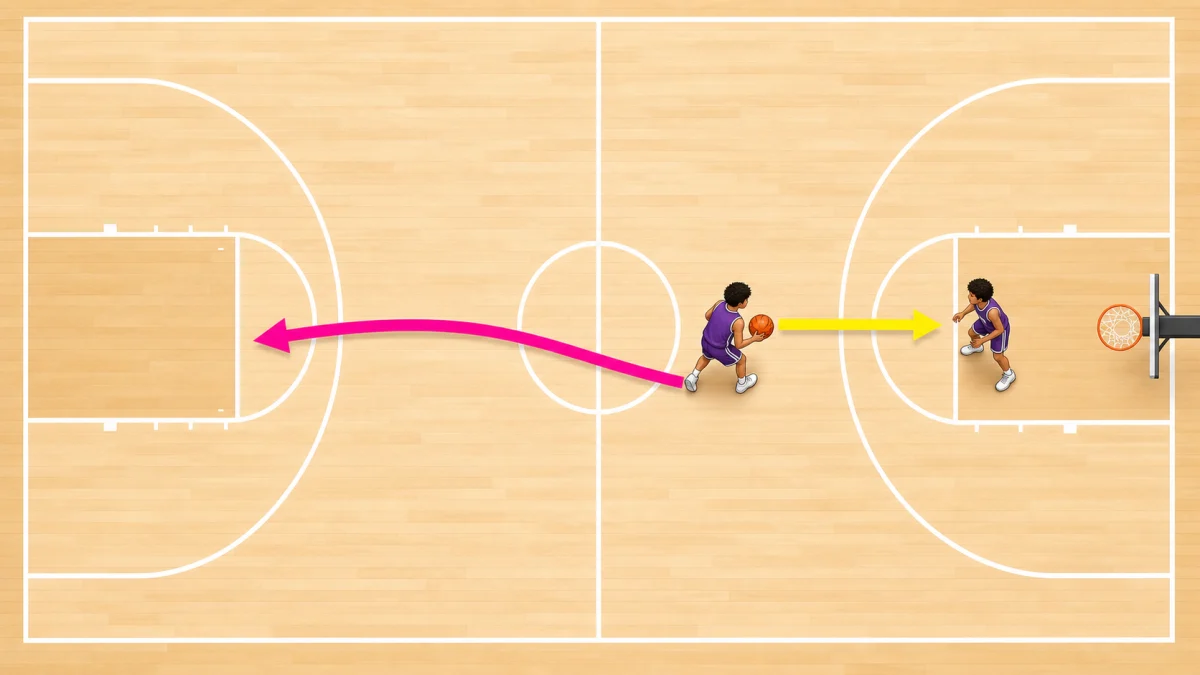
The exact picture changes by scheme. A defender may close from the lane to the corner, from the nail to the wing, or out of a zone rotation. In every version, there are two phases: cover ground while the ball travels, then decelerate before contact distance. If the defender stays slow for the entire route, the shot remains open. If the defender never brakes, the offense can attack the fly-by. The usable closeout is fast early and controlled late. Jr. NBA Starter Practice Plan: Two-Person Closeout
How to perform a controlled closeout
- Move as the pass leaves the passer, using a direct route that does not open an unnecessary driving lane.
- Cover the first part of the distance aggressively, then shorten the final steps so the hips stay under control. Jr. NBA Defense FAQ
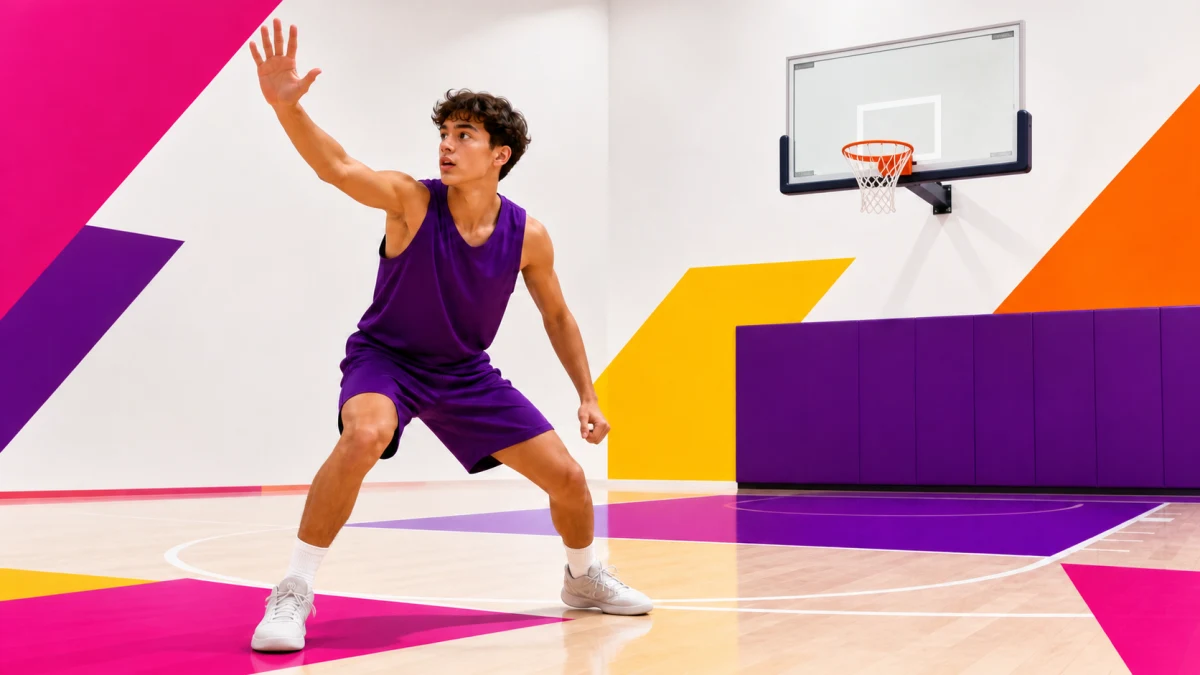
- Arrive with the chest and hips balanced, one hand high enough to bother the shot, and the other side ready to contain the first dribble. USA Basketball: Closing Out on a Shooter
- Read the offensive player's feet, eyes, and ball position, then slide instead of crossing the feet if the drive begins.
The high hand is useful only when it belongs to a balanced body. Reaching upward while the feet and hips continue flying forward creates the appearance of a contest but removes the defender from the possession. The better cue is 'arrive able to do the next job.' If the player shoots, the defender contests. If the player drives, the defender can slide. If the ball moves again, the defender can rotate without recovering from a wild landing. help defense and rotations
How close should the defender get?
There is no responsible universal distance for every closeout. Against a proven shooter with a slow first step, the defender may need to take away more airspace. Against a strong downhill driver who is reluctant to shoot, the defender may stop shorter and protect the lane. The score, clock, location, dominant hand, screening options, and help behind the play all matter. Team rules should narrow the choices, but the defender still has to recognize the offensive threat in front of them.
Angle matters with distance. A straight-line closeout may be appropriate when the scheme wants to square the ball, while another defense may influence the player toward help or away from the middle. The mistake is using an angle without knowing where it sends the drive. A good closeout fits the five-player coverage: the on-ball defender's arrival, the gap defender's position, and the rim protection behind both should describe the same plan.
Common closeout mistakes
- Flying past the shooter: the defender contests one moment but gives up the drive, side-step, or next pass.
- Stopping upright: high hips make the first defensive slide late and weak.
- Breaking down too early: the defender protects balance but leaves a comfortable rhythm shot.
- Watching only the ball: the defender misses the shooter's feet, body angle, and immediate driving lane.
- Practicing a finish with no next action: the drill rewards the pose instead of the decision that follows it. Jr. NBA Instructional Curriculum
Do not score the closeout only by the result of the shot. A difficult, well-contested attempt can go in, and an uncontested attempt can miss. Review the route, the point of deceleration, the hand and body position, the driving lane allowed, and the defender's response after the first read. Those observations are more useful for development than a make-or-miss label.
How to train closeouts from technique to live play
Begin with a short controlled route so the player can feel the change from sprint to braking steps. Add a visible target for the raised hand and require the defender to hold balance after arrival. Next, connect the closeout to one or two defensive slides. Once those pieces are stable, use a partner pass-and-close drill in which the offensive player may shoot or drive. The defender now has to recognize space instead of performing a rehearsed ending. Jr. NBA All-Star Practice Plan: Partner Closeout Shooting
Finish with small-sided play. Start two-on-two from help position, make the pass initiate the closeout, and let the possession continue. Change the offensive player's location and tendencies rather than adding random volume. This progression keeps the footwork visible while teaching the real skill: arrive with enough control to solve the next problem. Use a focused defensive session inside a broader plan instead of turning every repetition into an exhausting race. basketball workout library
Frequently asked questions
What is the purpose of a closeout in basketball?
The purpose is to pressure an open offensive player, especially a shooter, while arriving balanced enough to contain a drive or continue the team rotation. Reaching the player is not enough if the defender immediately runs out of the play.
Should a defender always close out with a high hand?
A high hand is a common way to bother the shot, but it must be attached to a controlled stance. The exact hand, angle, and distance should follow the team's coverage and the offensive player's shot and drive threats.
Why do defenders use short steps at the end of a closeout?
Shorter final steps help the defender decelerate and keep the hips available for the next slide. The defender can still cover the early distance quickly, but should not carry full sprint momentum into the offensive player.
What is the best drill for basketball closeouts?
Use a progression rather than one perfect drill: controlled approach and balance, closeout into slides, partner shoot-or-drive reads, then live two-on-two from help position. The best version is the one that challenges the player's current failure without hiding it inside unrelated complexity.