
The short version: A charge and a block are not decided by who falls down or how loud the contact sounds. Officials first evaluate whether the defender established a legal guarding position, then read the dribbler's path, the defender's movement, and the timing of the contact. The best player takeaway is simple: arrive early as a defender, and give yourself a legal change-of-direction option as a driver.
Key takeaways
- Legal guarding position is the starting point, not an afterthought after contact.
- A defender who slides late into a driver's path creates a different problem from a defender who was set early.
- Players can practice these calls by naming the moment the defender is established before judging the collision.
The short rule answer
A charging call begins with the defender's position. NBA Rule No. 12 describes a dribbler's responsibility to change direction or end the dribble when a defender has obtained a legal guarding position. A block is not simply the opposite outcome whenever contact occurs; the official has to read the defender's location and movement before the contact, the driver's path, and whether the defender arrived in time. NBA Rule No. 12: Fouls and Penalties help-defense positioning
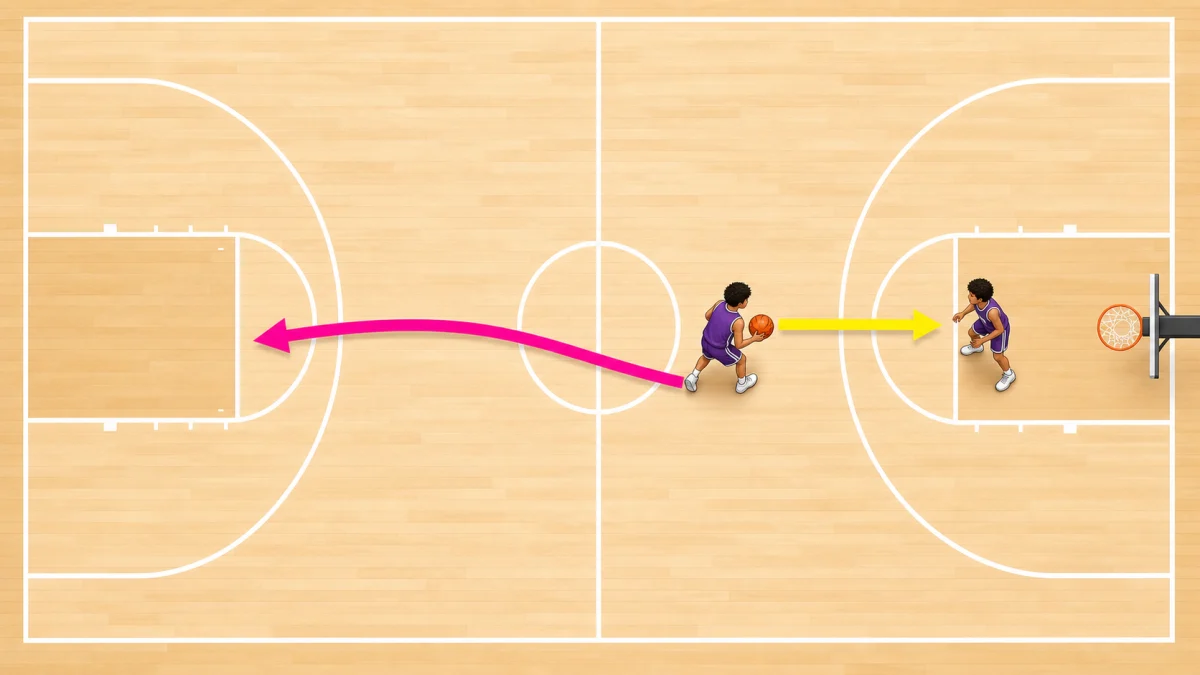
That is why two collisions that look similar in a freeze-frame can be ruled differently. A defender who is already in the path gives the driver a problem to solve. A defender who moves underneath the driver at the last moment can create the contact instead. The rule label follows the sequence, not the reaction after the whistle.
What legal guarding position changes
For a defender, arriving early matters more than taking a dramatic fall. Get the chest and feet into a balanced spot, face the ballhandler, and avoid stepping across a live driving lane late. Officials still evaluate the whole play, but this positioning gives the call a clear starting point. The NBA's rule authority is also a useful reminder that official wording and interpretations, rather than highlight-video folklore, are the reference point for rule questions. The NBA Rule Authority another timing-based basketball rule
- Arrive before the driver reaches the space, rather than sliding in as the contact begins.
- Stay balanced enough to show the established position instead of reaching for the ball from outside the path.
- Treat a fall as the result of the play, not as proof of the call.
What the driver has to read
The driver should read the defender before the last step, not after the lane disappears. If a defender is established, the next basketball decision may be a change of direction, a jump stop, a pass, or ending the dribble. The important coaching point is not to hunt contact. It is to preserve an option when the defender wins the space early. triple-threat decisions
This read also changes with the level and rule set. Young players should learn the order of the play first: see the defender, control the dribble, and choose a legal next action. Coaches can then add the faster rotations and body contact that make the decision harder in live play.
A film and practice routine for the call
Use short clips and pause before the contact. Ask three questions in order: Where was the defender when the driver committed to the lane? Did the defender establish the position before the contact? What legal option did the driver still have? This keeps the conversation on timing and space instead of rewarding whichever player sells the moment most dramatically.
On court, start with guided one-on-one drives. Let the defender establish one of two starting positions, and require the ballhandler to name the available response before attacking. Progress to a live closeout only after players can identify the earlier decision point. The objective is a clearer read, not a rehearsed collision. basketball workout library
Why the call remains difficult
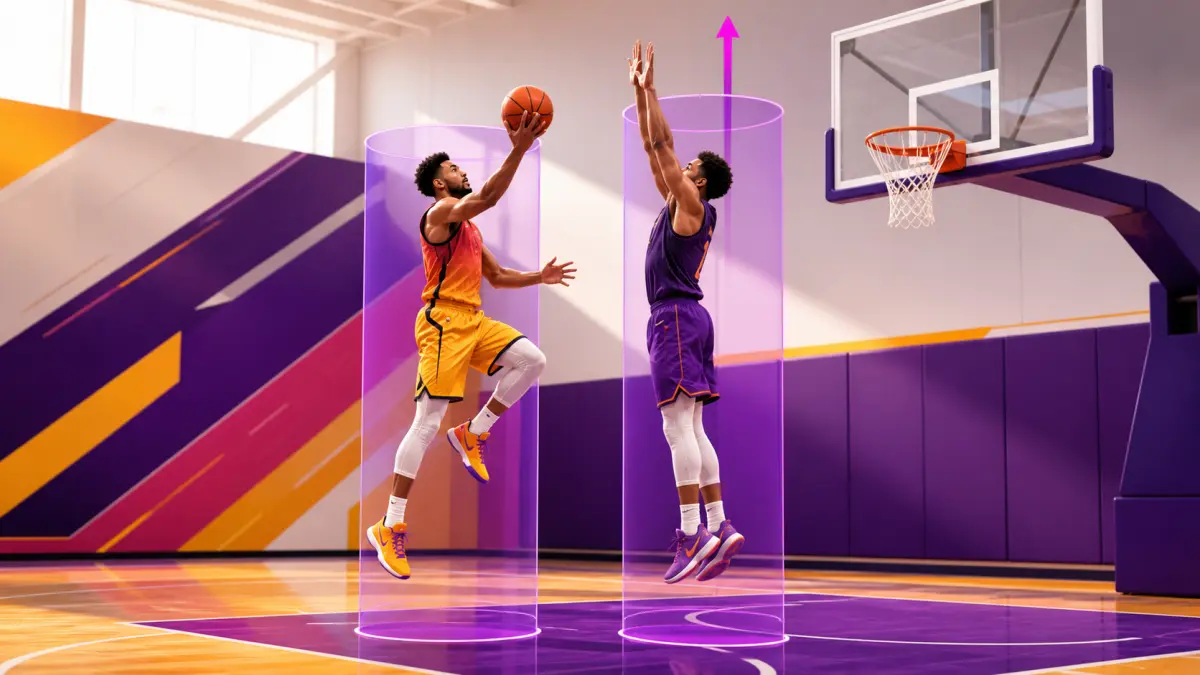
No article can turn every charge-or-block play into a one-frame quiz. Speed, angle, restricted-area rules, secondary defenders, verticality, and the exact league rulebook all change the context. The durable lesson is narrower: rule debates become more accurate when players and coaches start with the defender's position before contact and the driver's available path.
Frequently asked questions
Is a defender required to be completely still for a charge?
No. The useful question is whether the defender had established a legal guarding position before the contact and how the defender moved afterward. Players often use the phrase set defender as a shortcut, but rule application is about the sequence of the play rather than a single frozen pose.
Does the player who falls down automatically get the call?
No. Falling can show the effect of contact, but it does not establish who created the illegal contact. Review the defender's position and timing before the collision, then the driver's path and remaining options. That sequence is more useful than judging the call from the final reaction.
How can a young player avoid offensive charges?
Practice seeing the defender early enough to choose a legal next action: change direction, stop, pass, or end the dribble. Start against a guided defender, pause before contact to name the read, then make the situation more live. The goal is better recognition, not trying to avoid all contact.