
The short version: Drop coverage keeps the screener’s defender below the screen to protect the rim while the on-ball defender goes over and recovers. Its fit depends on the matchup and available counters.
Key takeaways
- Drop coverage centers on the screener’s defender dropping below the screen.
- The on-ball defender goes over, contests the pull-up, and works back in front.
- Drop depth changes with the ball-handler’s and screener’s offensive abilities.
- Pick-and-pop actions, skilled mid-range pull-ups, and rejects can challenge the coverage.
- All five defenders have communication and rebounding responsibilities.
What does drop coverage ask the screen defender to do?
Drop coverage is a ball-screen defensive tactic centered on the defender assigned to the screener. The coverage changes that defender’s location and responsibilities while the ball-handler comes off the screen. What is Drop Coverage in Basketball? (And How it Works)
Unlike ball-screen coverages that bring more defenders into the action, drop coverage attempts to contain and neutralize the screen with the two defenders directly involved: the on-ball defender and the screener’s defender. Ball Screen Defense—What is Drop Coverage? — Hooper University ball-screen coverages
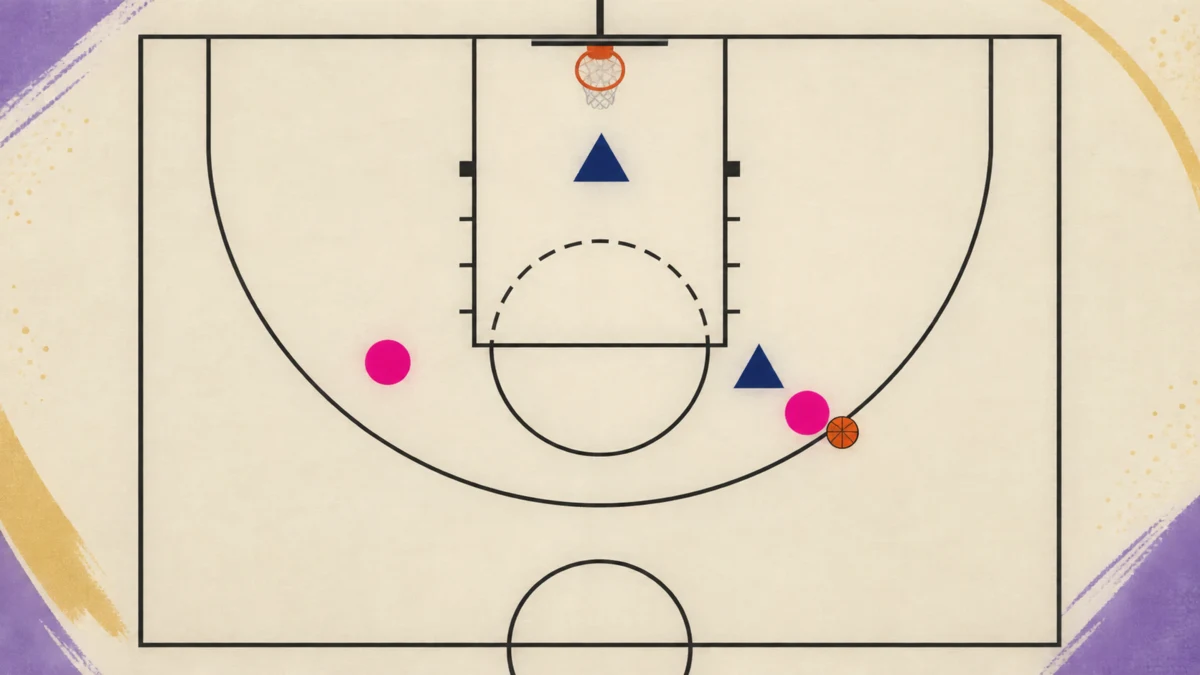
The screener’s defender does not follow the screener up to the level of the screen. Instead, that defender sits at a predetermined drop level, described as usually six to 10 feet behind where the screen is set.
That depth is meant to keep the defender from being beaten off the dribble while maintaining a position between the ball and the rim. The stated objective is to remove a straight-line drive.
When the ball-screen arrives, the screener’s defender drops into the paint to a chosen level. From there, the defender is positioned to prevent or challenge shots near the basket rather than meeting the screen at its height.
Dropping into the paint places the screener’s defender in the roller’s path. That positioning takes away quick scoring opportunities and makes the pass to the roller extremely difficult, according to the cited explanation.
What are the on-ball and screen-defender roles?
The screener’s defender has a primary responsibility to keep the ball in front. In practical terms, that responsibility is framed as keeping the ball-handler from getting close to the hoop for an easy shot.
The same defender also has to keep the roller in front. If the roller gets deeper than the defender, the cited guidance identifies a lob as the resulting risk.
The defender on the ball goes over the screen, steering the ball-handler toward the dropped defender while attempting to regain a position in front. The two defenders’ jobs are therefore connected rather than separate.
Going over the top is intended to keep the ball-handler from taking an uncontested pull-up or three-point attempt. That task belongs to the defender following the ball through the screen.
The on-ball defender cannot allow the ball-handler to reject the screen if the coverage is to work as described. That defender is also required to go over the screen to prevent the ball-handler from stopping and popping.
The on-ball defender tries to get back in front quickly so the drop defender can recover to the screener. If that defender cannot recover and get square, the cited guidance calls for a contest from behind; the on-ball defender’s assignment is the pull-up jumper while the screener’s defender protects the rim.
How do communication, depth, and help shape the coverage?
Communication is identified as the first and most important part of executing drop coverage. All five players on the floor need to know which ball-screen coverage is being used, even though the initial action is handled by two defenders.
The offensive ability of both the ball-handler and the screener dictates how far the screener’s defender should drop. A team-specific rule can therefore set the coverage differently from one matchup to another.
If the ball-handler gets to the rim and forces the drop defender to commit to the ball, the on-ball defender veers off the recovery path and switches onto the rolling screener. This is the cited response to that commitment.
Off-ball defenders may help when they are guarding a non-shooter. The available help actions named in the source are tagging the roll or stunting at the ball-handler as needed.
Which matchups fit the stated goals of drop coverage?
The cited guidance describes drop coverage as most effective against a big player who scores frequently as the roller in a pick-and-roll. That matchup places the roller’s scoring action at the center of the coverage choice.
Drop coverage is also described as effective against guards who prefer to penetrate and score. Hanging back keeps those guards from exploding by for an easy layup, according to the source.
The coverage emphasizes forcing two-point mid-range shots while protecting the rim and limiting kick-out threes. That stated shot profile explains why the location of the screener’s defender matters within the action. limiting kick-out threes
Compared with aggressive ball-screen coverages such as hard hedging or icing, drop coverage is described as simpler to implement and teach. The source specifically notes that this can matter at lower levels.
Drop coverage allows teams to play to the strengths of less agile or mobile post defenders by not putting them in the tough positions required by aggressive coverages.
What offensive counters and defensive tradeoffs does the coverage create?
The cited guidance says drop coverage should not be used against an elite shooting screener who likes to pick and pop. With the screener’s defender standing in the paint, that action gives up a wide-open look.
A pick-and-pop also creates a long closeout and recovery for the dropped screener’s defender when the screener is an outside threat. That distance is identified as a disadvantage of the coverage.
Drop coverage is less effective against a ball-handler with a strong mid-range game. Because the drop defender falls into the lane, the ball-handler can get opportunities for a pull-up from about 15 feet or a long-range floater. mid-range game
Rejecting the ball-screen is identified as one of the most effective counters to drop coverage. The screen defender is positioned expecting the ball-handler to use the screen, so a reject puts both defenders in the action out of position.
When the drop defender commits to the ball-handler, the usually smaller on-ball defender can be left switching onto the usually bigger screener. The source identifies the resulting matchup as an offensive-rebounding disadvantage.
To combat the rebounding disadvantage in drop coverage, all five defensive players must gang rebound.
Frequently asked questions
What is the drop defender trying to take away?
The drop defender moves to a selected level in the paint to prevent or challenge shots near the rim. The defender also stays between the ball and the rim with enough depth to avoid being beaten off the dribble and to remove a straight-line drive.
Why does the on-ball defender go over the screen?
Going over guides the ball-handler toward the drop defender and is intended to prevent an uncontested pull-up or three-point shot. The on-ball defender then attempts to get back in front so the drop defender can recover to the screener.
What can an offense do against drop coverage?
The source identifies rejecting the screen as one of the most effective counters because it disrupts the positions of both involved defenders. A screener who pops to the perimeter rather than rolls can also require a long closeout and recovery from the dropped defender.
Is drop coverage automatically the right choice?
No. The cited guidance says the offensive ability of the ball-handler and screener dictates drop depth, and it warns against using drop against an elite pick-and-pop shooter. It also identifies a skilled mid-range ball-handler as a matchup where the coverage is less effective.