
The short version: The NFHS-hosted workshop’s parent-spectator guidance asks families to respect officials’ calls and coaching decisions, watch with team goals in mind, and accept the result. Bring spectator concerns to event staff and consult local policies for enforceable rules.
Key takeaways
- The NFHS-hosted workshop asks parents to respect officials’ calls; a practical response to a disputed whistle is to return to encouraging the team.
- The NFHS-hosted workshop emphasizes team goals; look for contributions worth applauding across the roster.
- The NFHS-hosted workshop asks families to accept the outcome; keep postgame comments courteous after either result.
- Ask event staff for the designated event supervisor, and consult the applicable local policies for enforcement details.
What these expectations cover
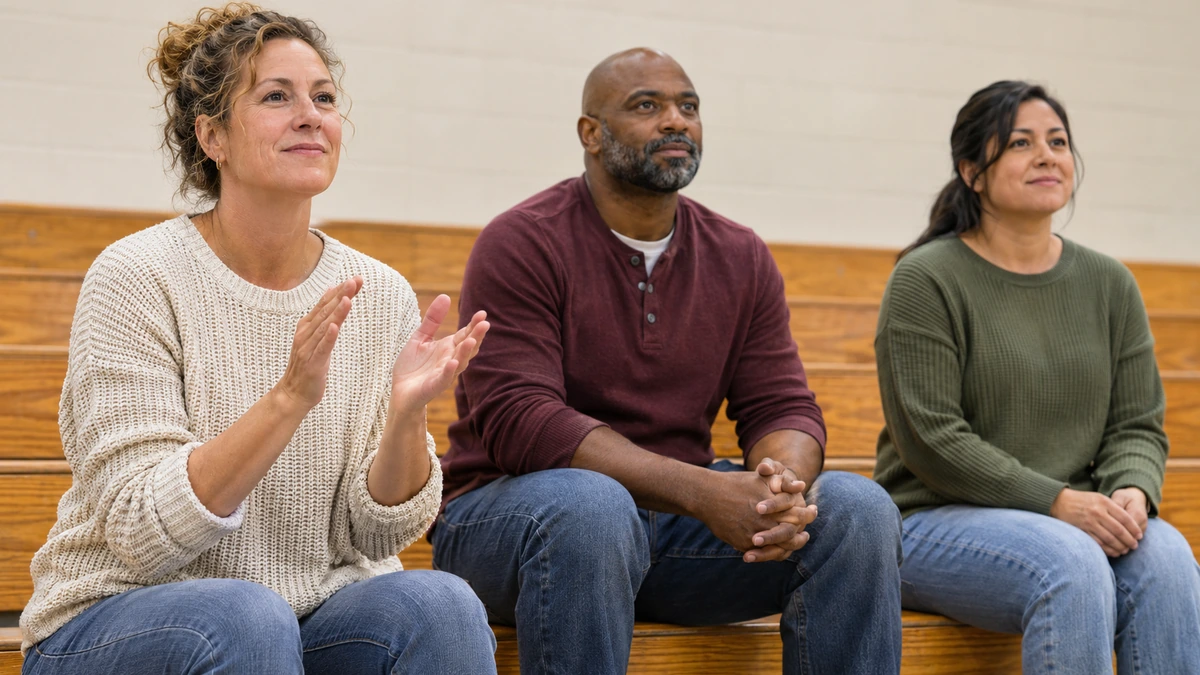
The parent-spectator slide on page 15 of the NFHS-hosted Effective Efforts in Sportsmanship workshop presentation offers three expectations: respect officials’ calls and coaching decisions, watch with team goals in mind, and accept the outcome. This brief applies that framework to a school basketball gym. It is conduct guidance; consult the host school’s applicable spectator policies for enforceable local rules. Wksp 4 Effective Efforts In Sportsmanship 1
According to the NFHS’s Basketball Points of Emphasis, behavior in the stands should reflect the same respect, integrity and responsibility expected in the classroom. That provides a useful standard for the words and gestures adults choose during a game. Basketball Points of Emphasis - 2026-27
How to respond to a disputed call
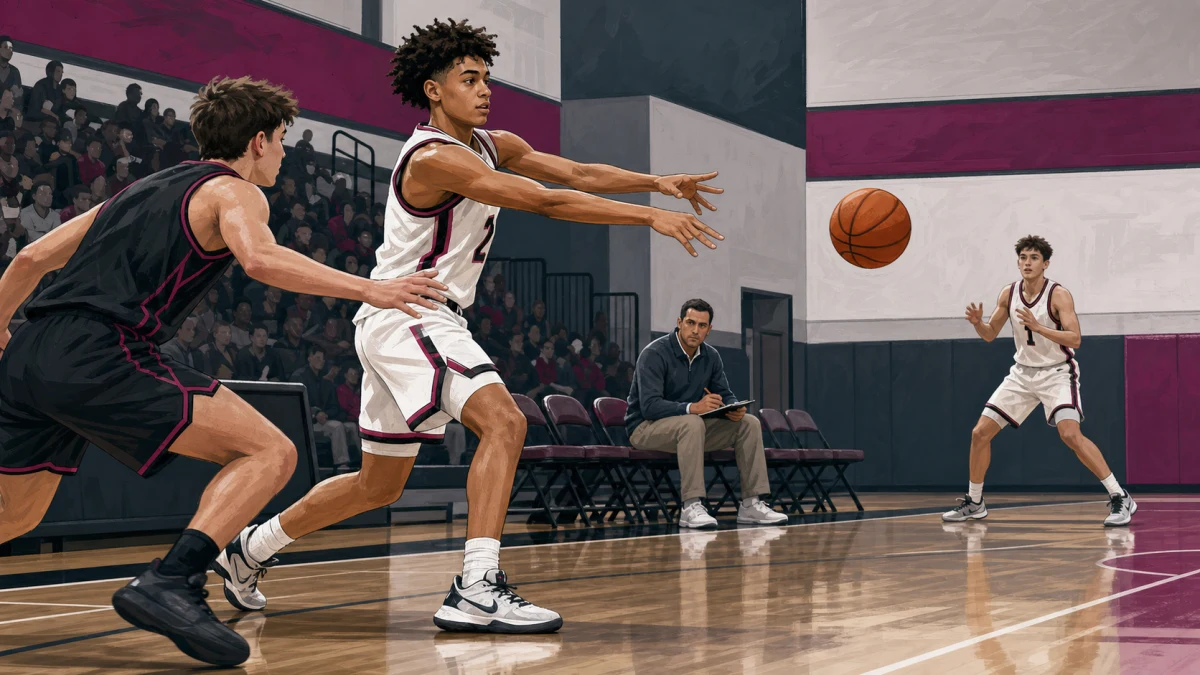
The NFHS-hosted workshop asks parents to respect the calls made by officials. You can think a call was wrong and still choose a respectful response. A practical approach is to stop the running protest, leave out personal insults and turn your attention back to the game.
Imagine a close call goes against your child’s team late in a tight game. Skip the shouted accusation and sarcastic applause. Let the next possession have your attention, and offer encouragement to the players without directing a remark at the official or an opponent.
What supporting team goals looks like
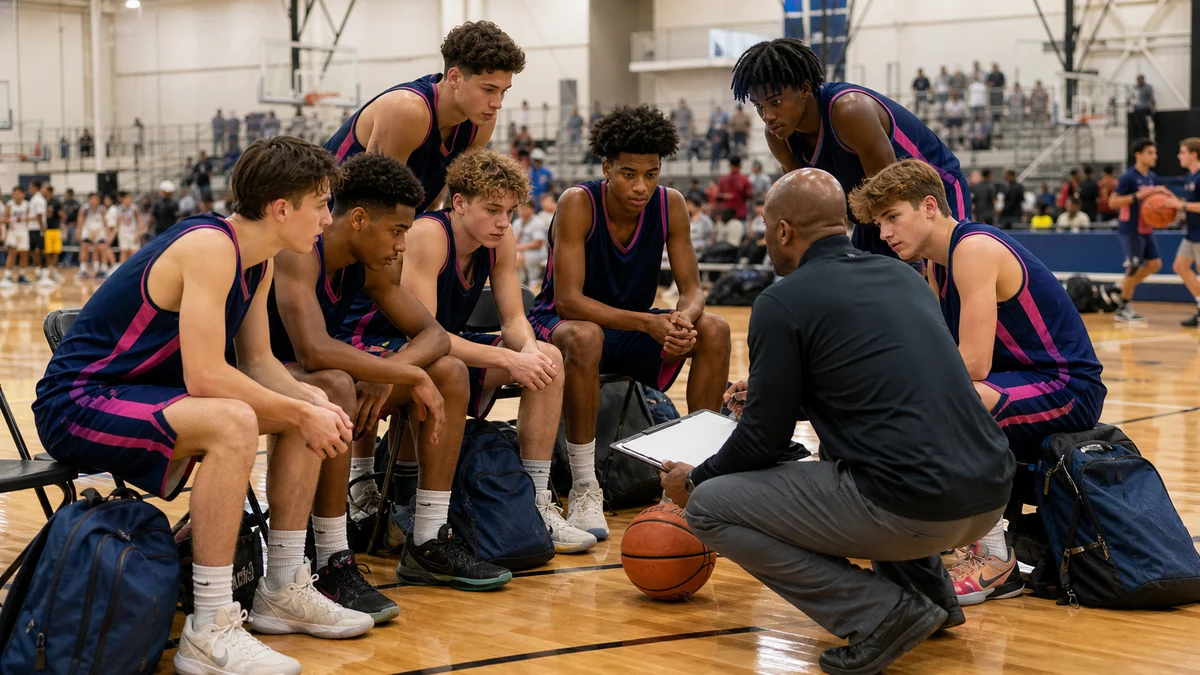
The NFHS-hosted workshop asks parents to watch with team goals in mind and respect the coach’s decisions. Put that into practice by applauding contributions across the roster: an unselfish pass, a teammate’s effort or a good play by a substitute. Keep your support available after mistakes, too. Leave lineup and substitution decisions with the coach, and avoid calling competing instructions from the stands.
How to act after the final buzzer
The NFHS-hosted workshop asks families to accept the outcome, winning with class and losing with dignity. After a win, celebrate your team without taunting the opponent or mocking its mistakes. After a loss, avoid using the exit walk to direct blame at players, coaches or officials. In either case, keep comments toward both teams and officials courteous as everyone leaves the gym.
Who should address disruptive spectators?
For a spectator problem, start with event staff: ask for the designated event supervisor and describe the behavior you observed. Leave the response to the people assigned to manage the event. Families can bring a concern forward without taking on the job of correcting another spectator.
For enforcement details, consult the current spectator policy for the host school and any applicable district or association policy. Check those documents for provisions on warnings, removal, attendance restrictions and review procedures before assuming a particular consequence applies. The conduct expectations in this article do not establish a universal disciplinary policy.
Was this useful?