
The short version: A ghost screen is a fake on-ball screen followed by a cut into space without screening contact. Distinguish it from a slip to the basket and from a roll or pop after a screen. Study the defenders and the whole possession; a ghost can seek an advantage without guaranteeing one.
Key takeaways
- Identify the fake approach and departure, not just the final position.
- A slip, roll, pop, and ghost describe different parts of a screening sequence.
- Read defensive positions and communication alongside the offense.
- Tactical terminology does not replace the applicable contact rules.
Recognize the departure, not the collision
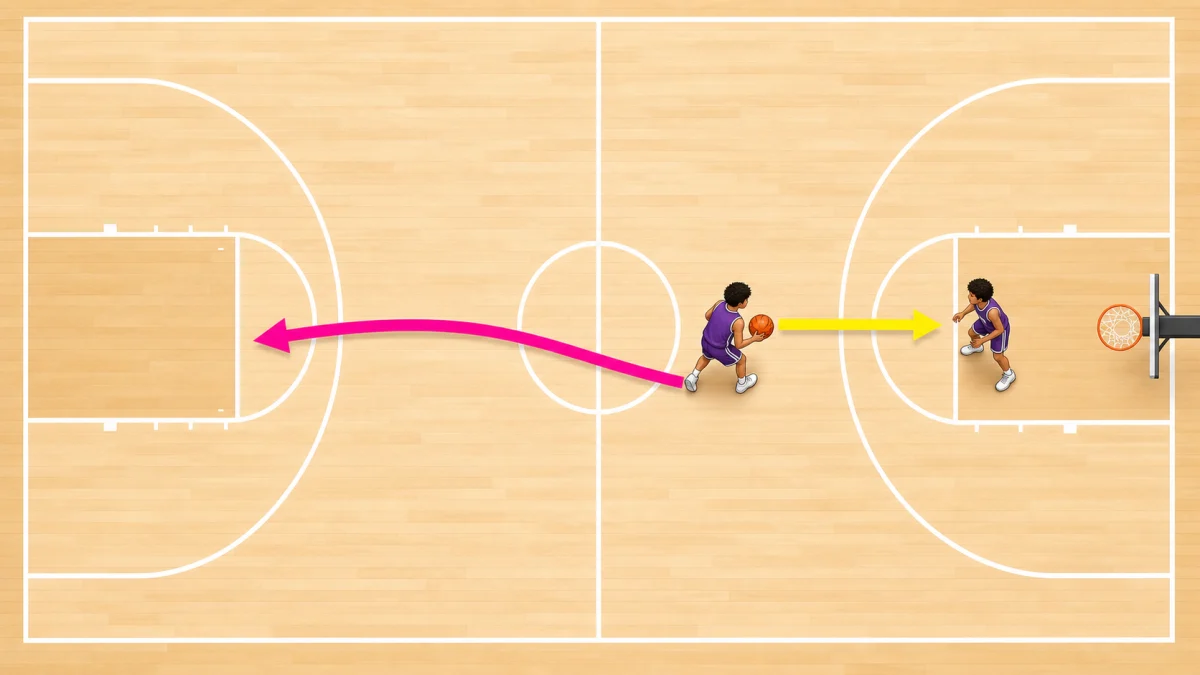
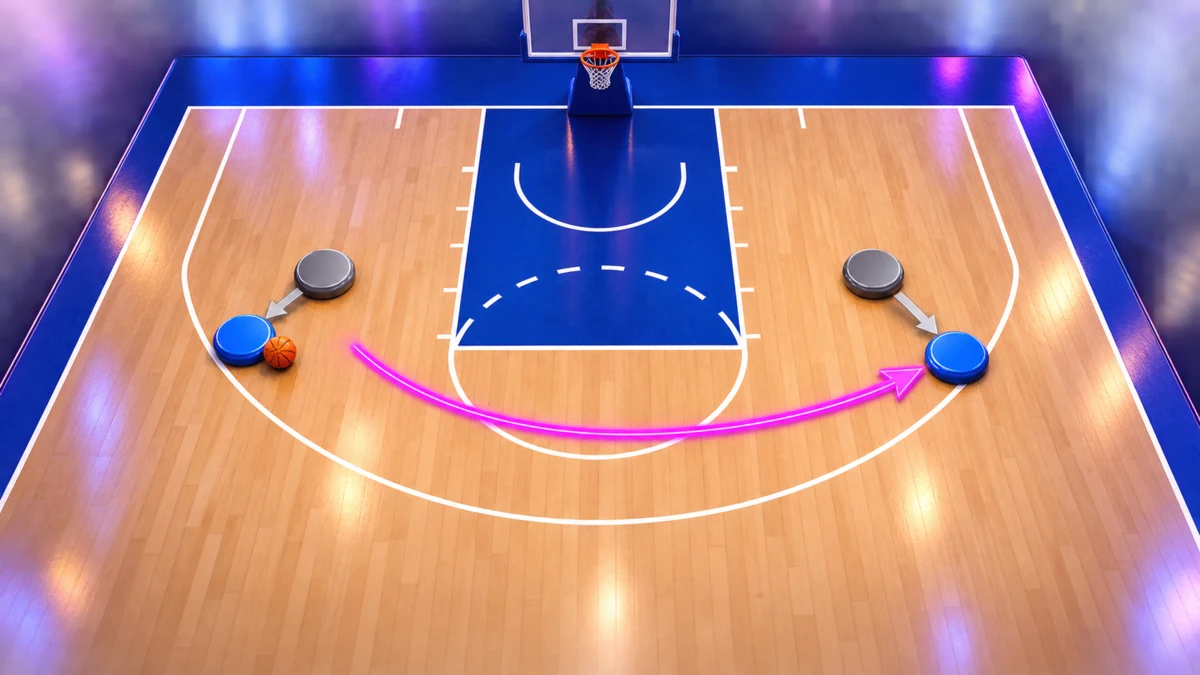
A ghost screen is a fake on-ball screen. FIBA’s basketball terminology describes the would-be screener leaving without contact and cutting away from the ball into open space. The action does not include physical screening contact with the defender. FIBA Europe Basketball Terminology
On film, identify whether the teammate approached the ball as a possible screener and then cut away before contact. FIBA’s definition centers on that fake approach and departure into open space. For a wider discussion of five-player positions, see our basketball offensive spacing explainer. basketball offensive spacing explainer
Separate a ghost from a slip, roll, or pop
A slip and a ghost share an early departure, but the coaching references emphasize different destinations. The WABC Level 1 manual describes a slip to the basket before setting the screen when the screener’s defender steps up to pressure the ball. FIBA’s ghost definition instead emphasizes cutting away from the ball into open space. When the label is unclear, describe the movement directly: approached the ball, left before the screen, then cut to the rim or moved out into space. WABC Level 1 Coaching Manual
A roll comes later in the sequence described by the same WABC manual: after the dribbler uses the screen, the screener pivots and cuts toward the basket. Its flare or pop option also follows use of the screen, with the screener moving to the perimeter for a pass. A pop can therefore finish in a similar area to a ghost without being the same action. Compare what happened before the departure, not just whether the player ended up outside.
For your own film notes, try two separate columns: when the teammate leaves, and where that teammate goes. This is an optional way to describe the possession, not a new coaching rule. It lets you write what you actually see before deciding which term fits. A teammate who never sets a screen and a teammate who rolls after one should not become indistinguishable simply because both move away from their starting spot.
Timing matters because defenders are making decisions
FIBA’s BCL Film Room analysis of Pedro Martinez’s Manresa team describes the ghost as an approach toward the ball followed by a quick exit before the screen is set. The intended moment is when the two defenders are adjusting their body positions to defend the expected screen. The analysis describes possible results such as a driving lane or an open perimeter receiver. Those are the opportunities the offense is seeking, not a guarantee attached to the name of the play. BCL Film Room - Pedro's Ghosts | FIBA Basketball
The examples also put the action inside a larger possession. In one Manresa sequence, the ghost followed an off-ball action that helped the receiver get the ball. In another, the coach specified a teammate’s corner placement on the side from which help would come. For film study, that is a reason to keep the other players in view. An isolated crop of the two offensive players can leave the rest of that particular setup out of your notes.
When discussing defensive responses, start with what the defenders actually do. Do they change assignments, send pressure toward the ball, or continue with their original opponents? Our pick-and-roll coverage guide introduces the broader coverage vocabulary. Use it to name an observed response, not to assume every team reacts the same way to a fake screen. The action and the defense’s answer belong in separate parts of the description. WABC Level 3 Coaching Manual pick-and-roll coverage guide
Read the whole possession before copying the play
The WABC Level 3 manual asks coaches studying an offensive pattern to observe the defense as well: its coverage, particular defenders’ positions, communication cues, and the time remaining on the shot clock. It also asks whether the movement changes when defenders behave differently.
Understanding the main action involves watching the whole team rather than one part of a play. For separate practice material, see the basketball workout library. basketball workout library
The name does not excuse illegal contact
Calling an action a ghost does not settle a foul decision. The NBA’s screening rule prohibits setting up so close to a moving opponent that the opponent cannot avoid illegal contact. It also restricts moving laterally or toward an opponent being screened after a legal position has been established. Those are NBA provisions, not a claim that every league uses identical wording. Check the rules that govern the game you are playing or reviewing. RULE NO. 12: Fouls and Penalties | NBA Official
Under the NBA screening rule, a screener may not move laterally or toward the opponent after establishing a legal position. The rule also includes a provision allowing movement in the same direction and path as the opponent being screened.
Frequently asked questions
Does a ghost screen require contact?
No. FIBA’s definition describes a fake on-ball screen without contact, followed by the would-be screener cutting away from the ball into open space. The defining sequence is the fake screen followed by that cut away.
Is a ghost screen the same as a pick-and-pop?
No. The WABC pop follows the dribbler’s use of the screen and moves the screener to the perimeter for a pass. FIBA’s ghost leaves before contact and cuts away into open space.
What should I watch when studying a ghost screen?
WABC’s film-study guidance emphasizes defensive coverage, particular defenders’ positions, communication cues, shot-clock timing, and the whole team’s involvement in the action. It also asks whether the offensive movement changes when defenders act differently.