

The short version: The FIBA U17 Basketball World Cup is players’ first experience of global youth competition. In the 2026 competition system, teams losing from the Round of 16 onward continue in classification games until the final day. Exact age eligibility, qualification allocations, event dates, venues and a full U17-versus-U19 comparison require additional approved claims before publication.
Key takeaways
- The U17 World Cup introduces players to global youth competition.
- A knockout loss does not necessarily end a team’s 2026 tournament schedule; classification games determine the complete standings.
- Players, coaches and families can treat every stage of the event as part of development, including the response after a loss.
What the U17 World Cup represents
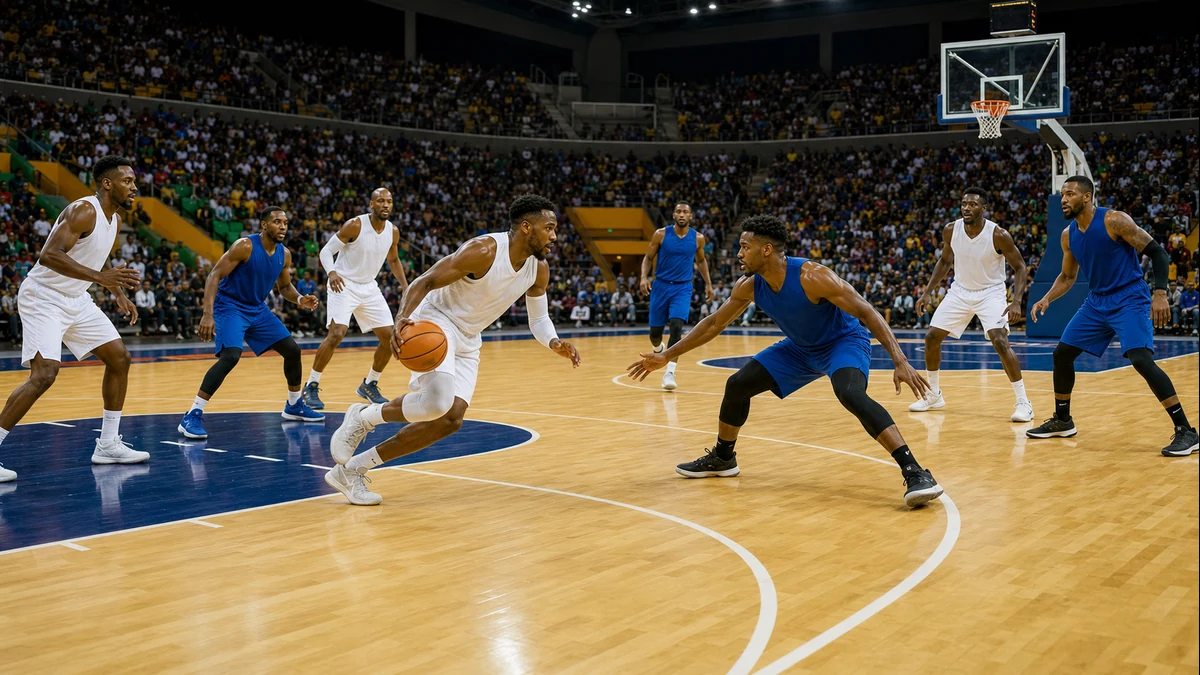
For a player, the FIBA U17 Basketball World Cup is an introduction to basketball on a global youth stage. FIBA describes the event as players’ first experience of global competition at youth level. That makes the pathway bigger than a single tournament: players, coaches and families are encountering international opponents, travel and event demands at an early point in development. Youth World Cups | About FIBA
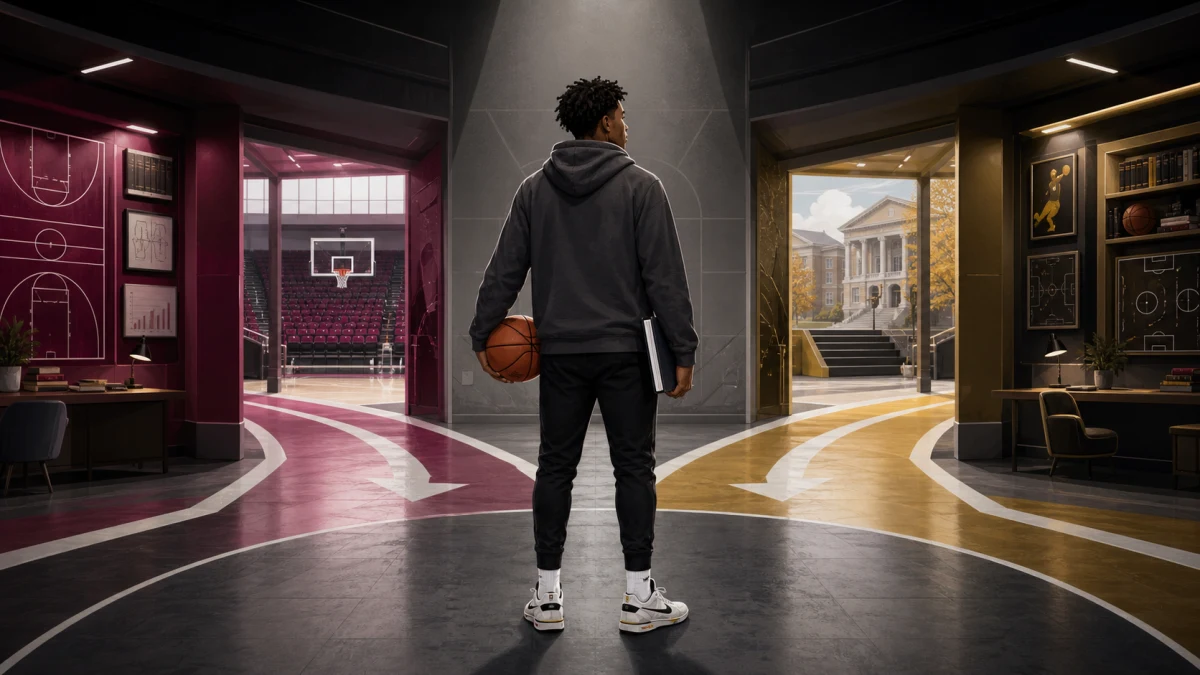
The practical lesson is to view U17 as a development checkpoint rather than a finish line. Players can focus on habits that travel well—consistent effort, clear communication, adaptable decision-making and reliable preparation. Coaches and families can keep the experience in perspective by judging growth as well as results.
Why classification games matter
The competition system does not end every team’s schedule with its first knockout loss. Teams that lose from the Round of 16 onward continue in classification games through the final game day so the tournament can determine complete final standings. Competition System - FIBA U17 Basketball World Cup 2026 | FIBA Basketball
That changes how a team should approach elimination. A loss may close the championship route, but it does not remove the need to recover, prepare and compete again. The next game still asks players to respond together, and it gives coaches another meaningful setting in which to teach tournament habits.
How players, coaches and families can use the lesson
Players can build toward opportunities they do not fully control by becoming dependable in the environments they already have: practices, games, camps and team settings. Coaches can help by communicating roles honestly and teaching players how to adjust between opponents. Families can support the process by keeping schedules organized, encouraging recovery and asking development-focused questions after games.
Was this useful?