
The short version: Choosing the right AAU team requires looking past brand labels to evaluate coaching responsibility, safety certifications, realistic player roles, and administrative compliance.
Key takeaways
- AAU coaches are responsible for an athlete's success both on and off the court, making leadership quality vital.
- The U.S. Center for SafeSport is committed to building a sport community free of abuse, and Minor Athlete Abuse Prevention Policies (MAAPP) guide interactions nationally.
- Approximately 98% of NCAA student-athletes go pro in other fields; prioritize development over exposure promises.
- NCAA recruiting rules determine when and how college coaches can communicate, and students should take ownership and lead communication by the 11th and 12th grade.
- Ensure the club administration is fully compliant with the NCAA Basketball Certification System (BBCS).
Evaluating Coaching Quality and Philosophy
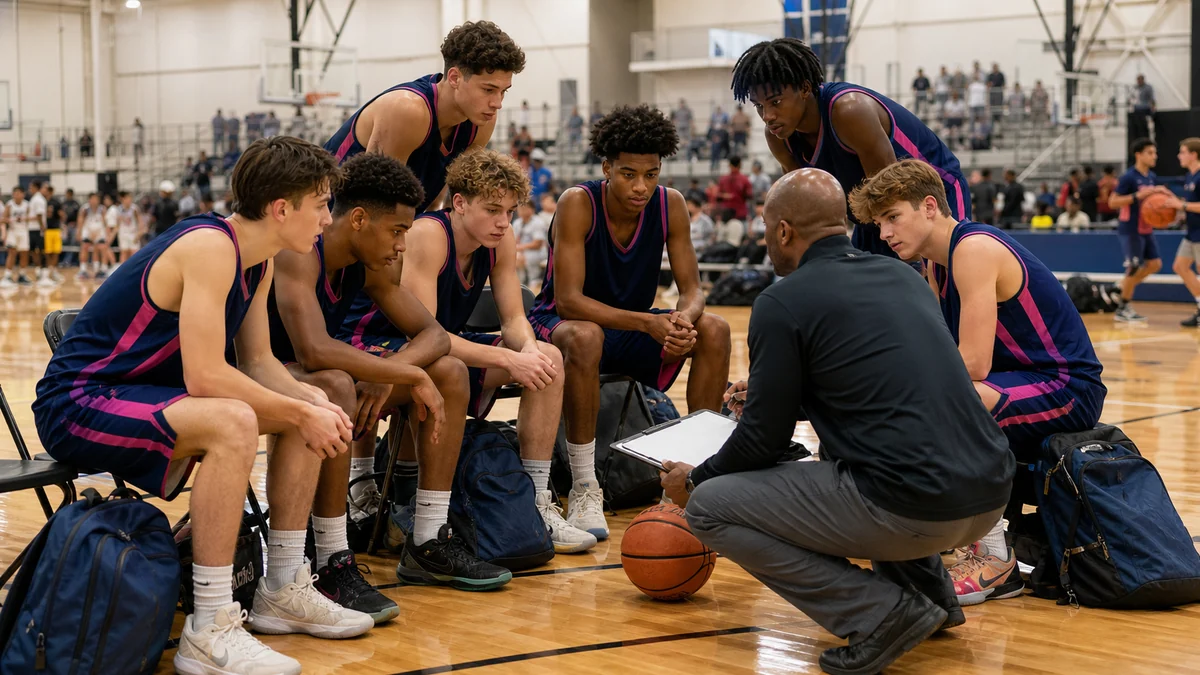
When choosing a club, families must look beyond tournament trophies to evaluate how a coach handles player development and mentorship. According to the Amateur Athletic Union (AAU), coaches are responsible for an athlete's success both on and off the playing field. Parents should observe how a coach communicates during high-pressure game moments, whether they provide constructive instruction during mistakes, and how they support academic progress. A quality coach prioritizes teaching fundamental skills, team concepts, and life lessons over simply accumulating wins. Asking about practice-to-game ratios and how playing time is earned will reveal if the coach's philosophy aligns with your child's long-term growth. Boys' Basketball | AAU
To ensure a program is committed to recognized standards, families should inquire about the coaching staff's formal training and credentials. USA Basketball's Youth & Sport Development division is tasked with youth initiatives addressing player development, coach education, and safety. Programs that align with these national initiatives demonstrate a commitment to teaching the game using age-appropriate methods that focus on player development, coach education, and safety. Evaluating a coach's educational background helps parents distinguish between those who merely run plays and those who understand how to build a player's capabilities. This structured approach to education ensures that your child is learning in an environment designed for healthy athletic progression. About USA Basketball - USA Basketball
Understanding Safety, Background Checks, and Licensing Standards
Player safety must always be the foundation of any club selection, transcending any promises of exposure or athletic development. The U.S. Center for SafeSport is an independent nonprofit committed to building a sport community free of emotional, physical, and sexual abuse and misconduct. Parents should explicitly ask club directors if their coaches and staff are fully cleared through these independent safety protocols. A reputable program will gladly share their background screening processes and safety certifications. Verifying these credentials ensures that the adults supervising your child during long travel weekends and practices are held to the highest national standards of conduct, protecting your athlete's physical and emotional well-being. Preventing and Addressing Abuse | U.S. Center for SafeSport
Beyond background checks, families must understand the operational rules that govern daily interactions between staff and players. Minor Athlete Abuse Prevention Policies (MAAPP) guide interactions between adults and young athletes across varied sport settings and circumstances nationally. These policies establish clear boundaries regarding one-on-one travel, digital communication, and locker room supervision to prevent misconduct. When evaluating a team, ask how the program implements and enforces these specific guidelines during overnight trips and practices. A safe club will have transparent, written policies that align with these national standards, ensuring that boundaries are respected and that parents remain fully informed of all communications and travel arrangements.
Assessing AAU Program Resources and Scale
Navigating the landscape of travel basketball requires understanding the sheer size and variety of options available to families. The Amateur Athletic Union (AAU) has nearly 800,000 members and offers more than 50 sport programs across the nation. Because of this massive scale, club quality, travel demands, and cost structures can vary significantly by region and program tier. Families must research local options carefully, acknowledging that regional differences dictate tournament availability and travel expenses. Rather than simply chasing a famous club name, look for a program that manages its resources effectively to provide structured practices, local or regional tournament schedules, and transparent fee structures that fit your family's budget.
A program's affiliation with a major national organization should translate into concrete safety and educational benefits for its players. The AAU provides safety and educational resources including a Concussion Policy, Positive Coaching Alliance, and Athlete Protection and Abuse Prevention. When attending tryouts, ask the director how they integrate these specific educational resources into their coaches' training and player safety protocols. A club that actively utilizes these established guidelines demonstrates that they prioritize player welfare over winning games. This educational foundation helps create a positive, supportive environment where players can develop their skills without facing unnecessary physical risks or toxic coaching behaviors.
The Reality of College Recruiting and Exposure
Many families join expensive travel teams under the impression that it is the only path to a professional sports career. However, approximately 98% of NCAA student-athletes go pro in something other than sports. This statistic highlights why choosing a team based solely on elite exposure promises is a flawed strategy. The primary focus of any youth sports experience must be holistic development, academic excellence, and building character. Families should look for programs that emphasize academic tracking and personal growth, ensuring that players are prepared for life after basketball. A healthy team environment helps student-athletes leverage their sports experience to secure valuable educational opportunities, regardless of their ultimate athletic destination. Home - NCAA.org - The Official Website of the NCAA
Understanding how college recruitment actually functions can save families from making costly decisions based on empty promises. In the college recruiting process, coaches initiate most recruiting conversations, exposure matters, academics are part of the decision, and communication rules vary by division and grade level. It is a myth that players must play on expensive shoe-sponsored circuits to be recruited; NCAA Division III, NAIA, and junior colleges actively recruit from a wide variety of regional events. Families should prioritize finding a team where the player receives consistent playing time and development, as college coaches evaluate actual skills, academic transcripts, and character rather than the brand name on a jersey. NCAA Recruiting - NCAA.org - The Official Website of the NCAA
Player Ownership and Communication in Recruitment
As players progress through high school, their role in managing their own recruiting journey must evolve. During the 9th and 10th grades, parents or guardians often lead the recruiting process, but by 11th and 12th grade, students should take ownership and lead communication. College coaches highly value mature student-athletes who can speak for themselves, ask thoughtful questions, and write their own emails. A great AAU program will guide families through this transition, helping players draft introductory emails and prepare for phone calls with college staff. This shift in responsibility not only prepares the student for the demands of college athletics but also demonstrates the leadership and independence that coaches look for in recruits.
Navigating these communications requires a clear understanding of the regulatory framework established by governing bodies. NCAA recruiting rules determine when and how college coaches can communicate with students and families to create a fair and balanced experience. These rules prevent coaches from contacting players prematurely, protecting high school students from overwhelming pressure. Families should educate themselves on these contact periods so they can set realistic expectations and avoid frustration when coaches do not immediately respond. A knowledgeable club coach or director will understand these timelines and help families navigate the communication windows legally and ethically, ensuring the player's eligibility remains completely protected throughout the process.
Navigating NCAA Certification and Eligibility
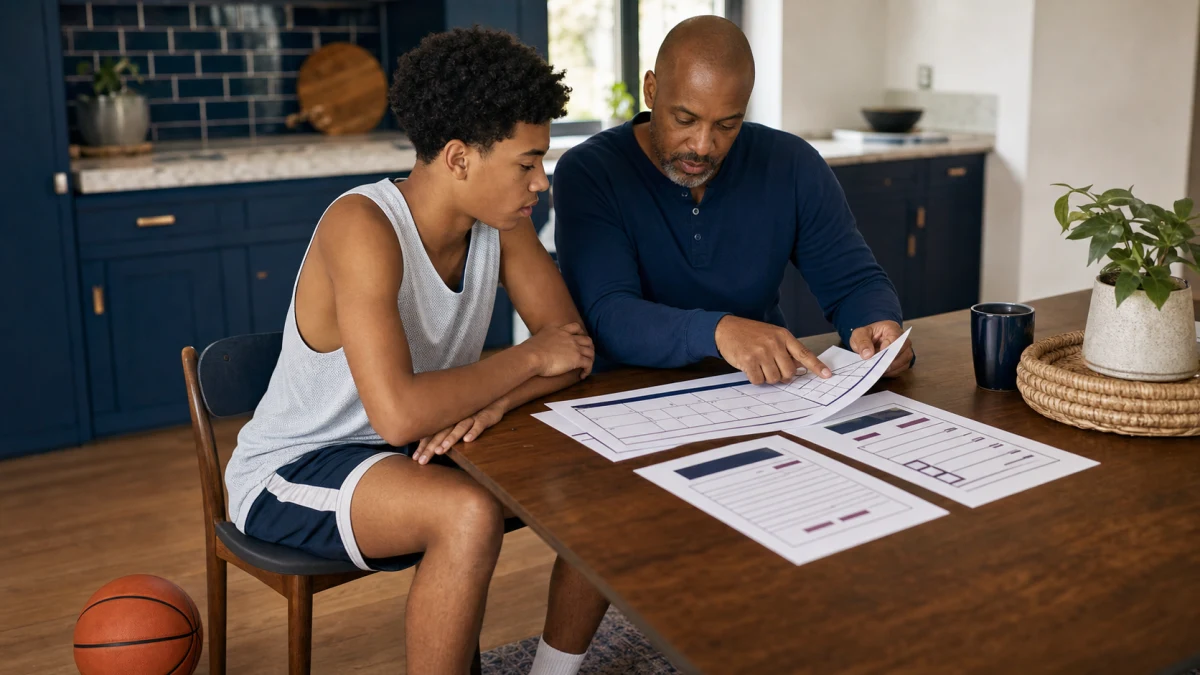
For players seeking exposure at certified NCAA viewing events, there are strict administrative steps that both teams and players must complete. All applications for NCAA certification of a basketball event or league, as well as team building, must be completed in the Basketball Certification System (BBCS). If a club director or coach fails to properly register the team or players in this system, the team may be disqualified from playing in front of college coaches during live periods. When evaluating a program, parents should ask if the administration is experienced with the BBCS and if they have successfully completed all registration requirements for the upcoming season. NCAA Basketball Certification - NCAA.org - The Official Website of the NCAA
Compliance with certification rules also requires individual players and their families to provide accurate, consistent information. An athlete is expected to select and utilize a single permissible address for the duration of the season for NCAA Basketball Certification. Attempting to use multiple addresses or changing residency details mid-season can trigger eligibility reviews and jeopardize a player's ability to participate in certified events. Families must ensure that all profile information entered into the system is completely accurate from day one. A reliable club administration will guide families through these precise requirements, preventing administrative errors that could sideline a player during critical evaluation periods.
What This Means for Players and Coaches
For players and coaches, the practical takeaway is that organization and administrative compliance are just as important as on-court performance. The NCAA Eligibility Center uses different account types, such as Certification and Profile Page accounts, depending on a student's grade level, recruiting status, division, and academic background. Players must take the initiative to register for the correct account type early in their high school careers to ensure they are visible to college coaches. Coaches must support this by verifying that their rosters are fully compliant. Ultimately, travel basketball is a tool for growth, and success requires balancing athletic development with academic responsibility and meticulous administrative preparation. NCAA Eligibility Center Registration - NCAA.org - The Official Website of the NCAA
As a final step in your decision-making process, remember that all youth basketball activities operate under a broader national structure. USA Basketball is the National Governing Body for the sport of basketball in the United States, recognized by FIBA and the USOPC. Because rules, age cutoffs, and certification requirements can change from year to year, families should always verify the current season's official guidelines directly on the USA Basketball or AAU websites rather than relying on outdated rumors. Choosing the right team is about finding a safe, structured environment that aligns with these national standards, matches your family's financial resources, and prioritizes your child's holistic development as both a player and a person.
Frequently asked questions
What questions should parents ask an AAU coach?
Ask about coaching philosophy, player development, expected role, practice frequency, event schedule, travel, fees, communication, and how playing time decisions are made. Clear answers help families compare the real environment instead of relying on branding.
Should families choose the highest-level AAU team available?
Not automatically. A stronger team can provide competition, but development also depends on coaching, meaningful practice, role, confidence, health, and opportunity to make decisions. The best fit should challenge the player without making development incidental.
What AAU costs should a family confirm in advance?
Families should ask for the full fee structure, including registration, uniforms, tournament entry, travel, lodging, transportation, and possible coaching expenses. They should also understand refund terms and which costs may change during the season.