


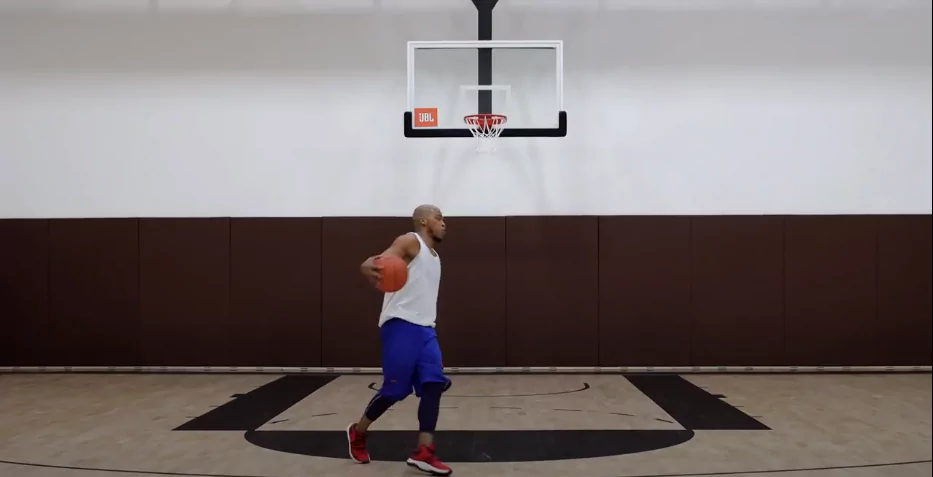








3 Pointers of 25 Connects Your Hips and Wrist
In modern basketball, being able to stretch the floor is no longer a luxury—it is a necessity for guards and wings who want to play at the next level. This advanced shooting drill focuses on range extension and consistency, challenging you to execute 25 total shots from five fundamental court locations. It is designed to expose mechanical inefficiencies and build the muscle memory required to become a legitimate threat from deep range.
How to Perform This Drill
- Setup: Identify your five shooting spots around the perimeter: left corner, left wing, top of the key, right wing, and right corner.
- Distance: Step back to a depth of approximately 25 feet—this is well behind the standard high school or college line and approaches NBA range.
- Execute: Starting in the first corner, take 5 game-speed shots. You are not looking for casual warm-up reps; treat every attempt as a catch-and-shoot situation.
- Rotate: Immediately move to the next position (the wing) and fire off your next 5 shots. Continue this pattern around the arc until you reach the opposite corner.
- Record: Track your total makes out of 25. An elite shooter should aim for 15+ makes (60%), while a developing shooter should aim to break 10 makes (40%).
Why This Drill Works
Shooting from 25 feet forces you to rely on a seamless kinetic chain rather than upper-body strength alone. When you step back this far, any "hitch" or pause in your shot motion will result in a short miss, providing immediate feedback on your form. This drill conditions your body to generate power from the legs and hips, ensuring that your shot remains fluid and effortless even as you fatigue. By standardizing the five spots, you also develop spatial awareness, learning exactly what the rim looks like from every angle of the court.
Pro Tips
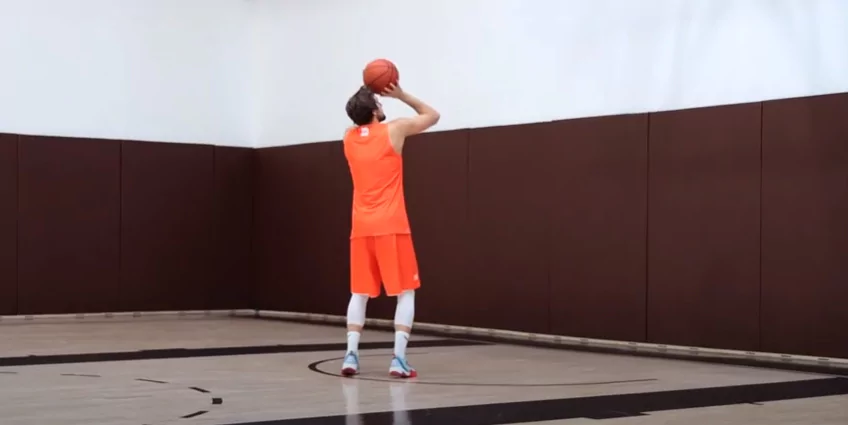
- Engage your lower body: Range comes from the legs, not the arms. Dip your hips and explode upward in one smooth motion to transfer energy efficiently into the ball.
- Adjust your arc: When shooting from deep, a flat shot has a lower margin for error. Focus on a higher release point to increase the entry angle of the ball into the hoop.
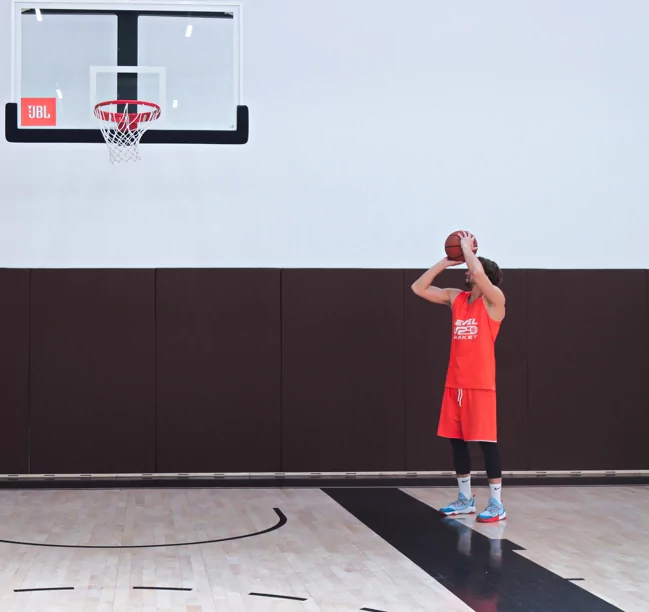
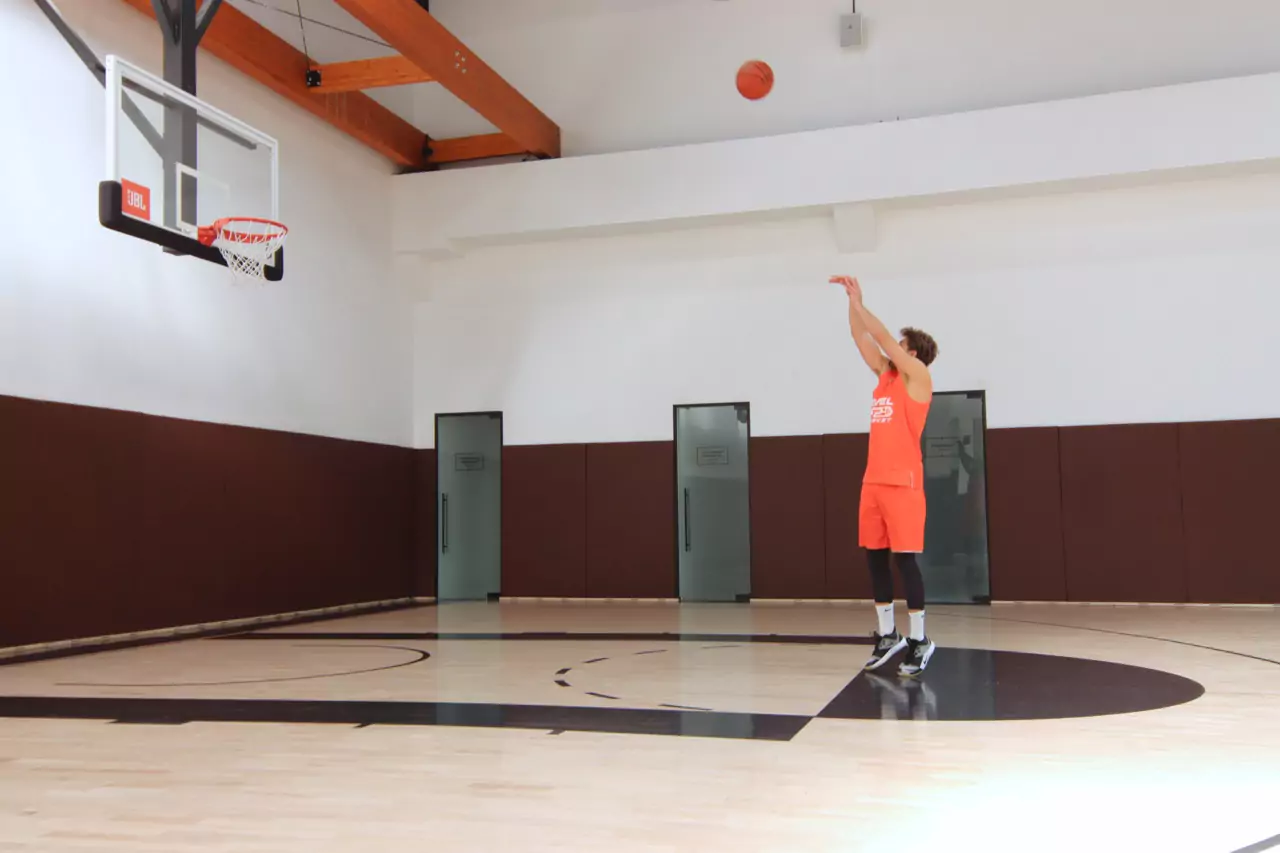
- Hold your follow-through: Do not pull your hand back immediately. Keep your "gooseneck" in the air until the ball hits the rim to ensure proper rotation and directional accuracy.
- simulate game pressure: Don't take rhythmic dribbles between reps if you can avoid it. Spin the ball to yourself to simulate a pass, square up in the air, and fire immediately upon the catch.