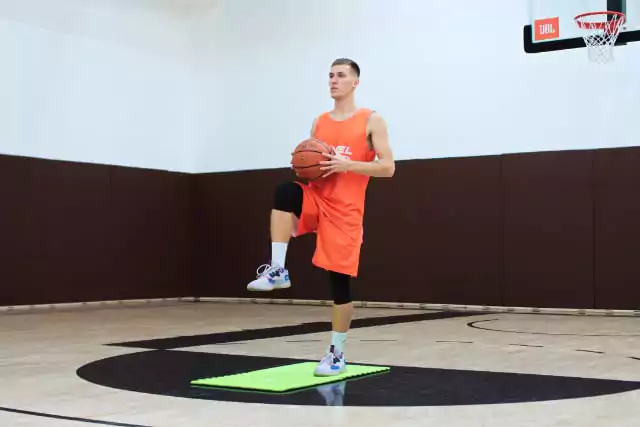
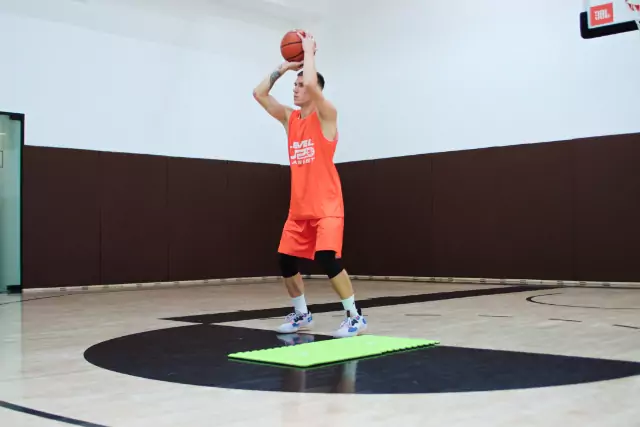
One-Legged Hip Thrusts Build Hip Extension Power
This is a foundational strength and conditioning drill designed to build the posterior chain power necessary for elite basketball performance. Whether you are a guard relying on a quick first step or a post player fighting for position, the One-Legged Hip Thrust targets the glutes and hamstrings to enhance your vertical explosiveness and single-leg stability. We use this movement to correct imbalances and build the raw engine required for high-level agility and jumping ability.
How to Perform This Drill
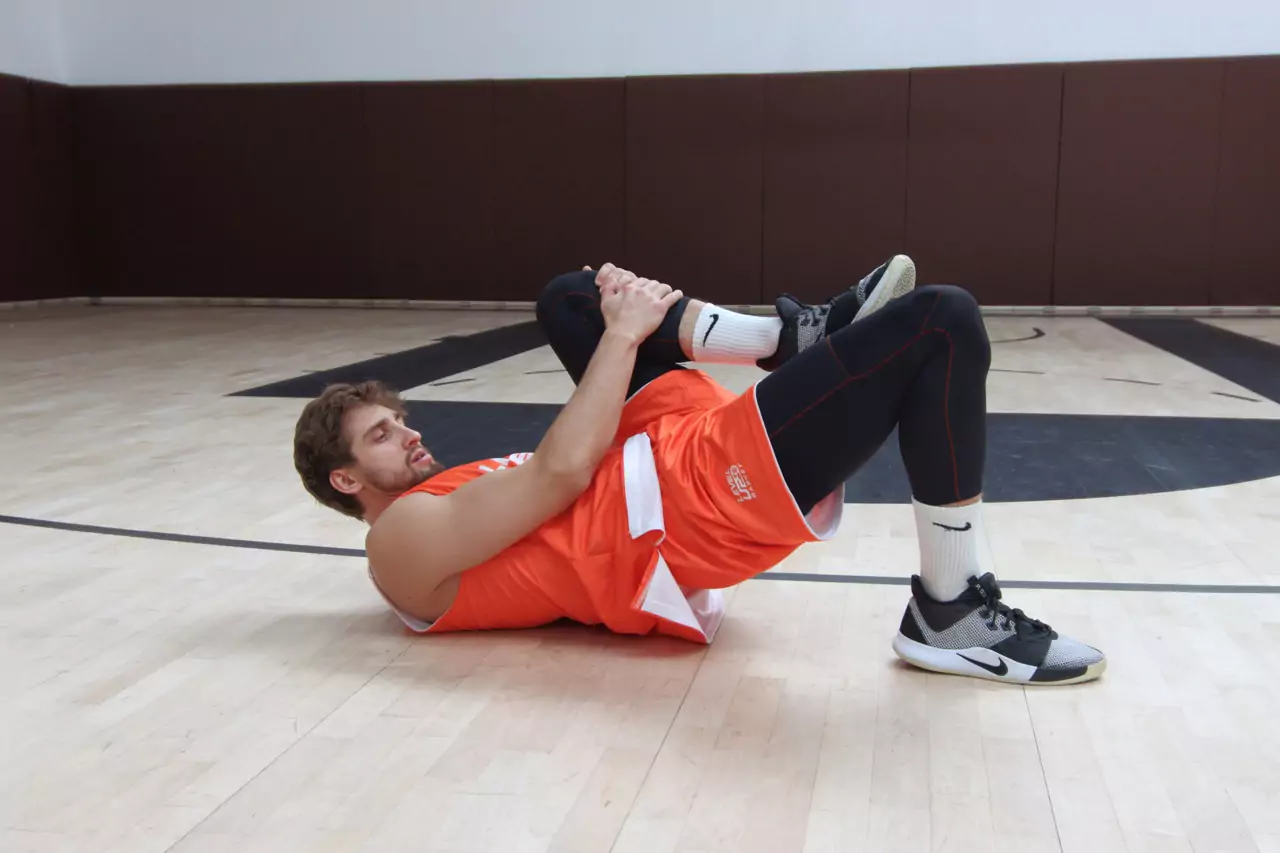
- Setup: Lie flat on your back on the court or a mat with your knees bent and feet flat on the floor, positioned hip-width apart.
- Isolate: Lift one leg off the ground and pull that knee toward your chest, locking it in a flexed position to eliminate momentum.
- Engage: Brace your core tightly, imagining you are about to take contact on a drive to the rim.
- Execute: Drive forcefully through the heel of your planted foot, extending your hips upward until your body forms a straight line from shoulder to knee.
- Squeeze: At the top of the movement, aggressively contract the glute of your working leg for a one-second count.
- Reset: Lower your hips back to the ground under control—do not just drop—and immediately begin the next rep without resting.
Why This Drill Works
Basketball is a game played primarily on one leg; think about your layup package, defensive slides, and the mechanics of sprinting down the court. This drill isolates the glute max and hamstrings unilaterally, forcing each side of your body to carry its own weight, which is critical for correcting strength imbalances that often lead to knee injuries. By mastering this movement, you are directly training your body to produce vertical and horizontal force more efficiently, translating to a quicker first step and a more explosive vertical leap in traffic.
Pro Tips
- Drive Through the Heel: Do not push through your toes. Driving through the heel ensures you are recruiting the glutes and hamstrings rather than over-relying on your quads.
- Ribs Down: Keep your rib cage tucked and your core engaged throughout the thrust. If you feel this in your lower back, you are hyperextending; reset and focus on hip extension, not back arching.
- Dorsiflexion: Keep the toes of your working foot pulled up toward your shin. This slight mechanical adjustment helps activate the posterior chain more effectively.
- Time Under Tension: Don't rush the descent. The eccentric (lowering) phase builds the braking strength you need to decelerate and change direction safely on the court.