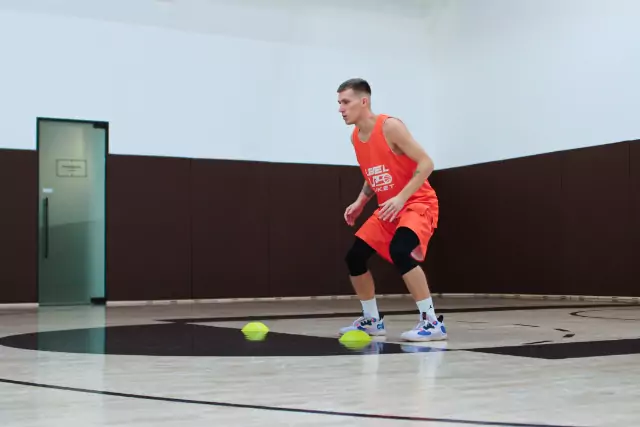
Diamond Drill Footwork Stops the Blow-By
This is a fundamental agility and conditioning drill designed to sharpen your multi-directional speed and defensive footwork. Whether you are a perimeter defender locking down a quick guard or a wing player working on closeouts, the Diamond Drill simulates the chaotic, high-intensity movements required in a real game. By forcing you to transition instantly between sprinting, backpedaling, and lateral sliding, we build the engine and the muscle memory needed to stay in front of any opponent.
How to Perform This Drill
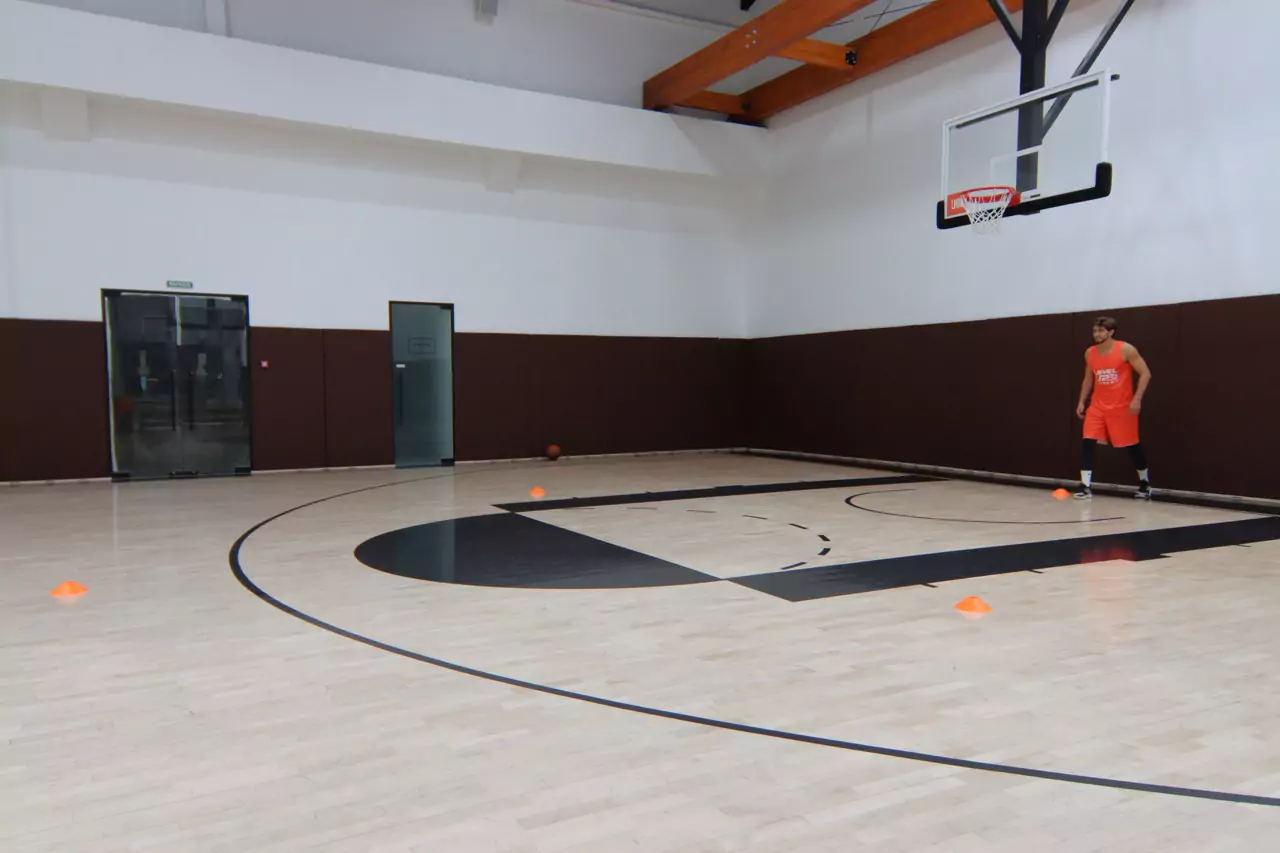
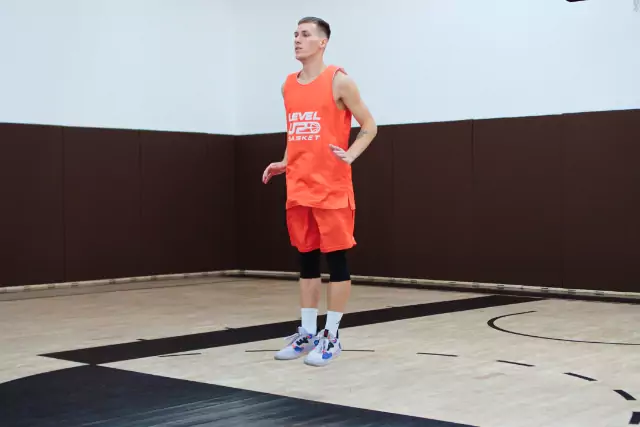
- Set Up: Place four cones in a diamond shape, spaced approximately 12 to 15 feet apart. Start standing in the dead center of the diamond in a loaded athletic stance.
- Retreat: On the "Go" signal, backpedal quickly to the rear cone. Keep your chest up and weight on the balls of your feet—do not sit back on your heels.
- Recover: Upon reaching the rear cone, explode forward back to the center. Immediately chop your feet to decelerate and drop into a defensive stance.
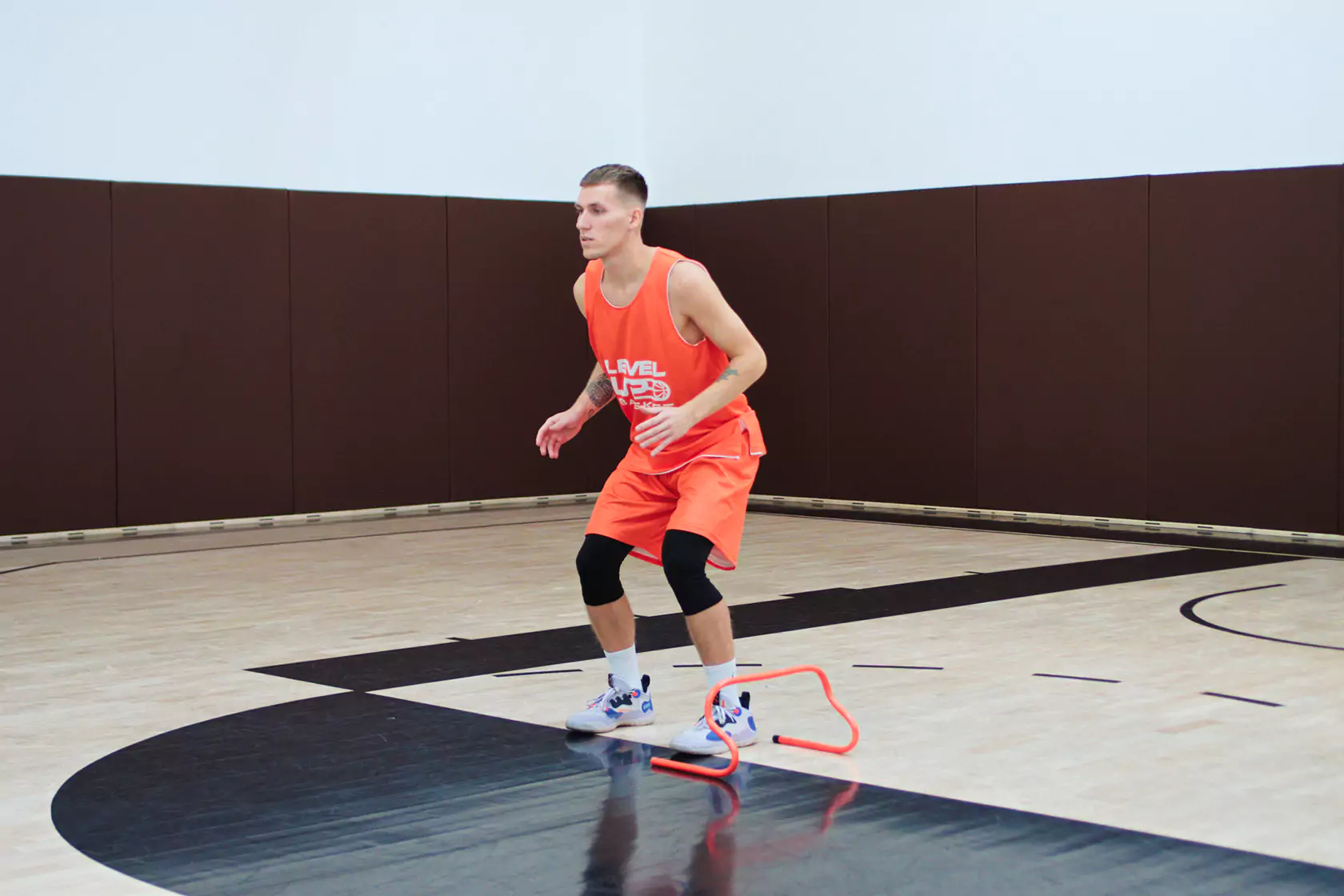
- Slide: Execute a hard defensive slide to the right cone. Touch the cone with your hand while maintaining your low stance, then immediately slide all the way across the diamond to the left cone.
- Reset: Touch the left cone and slide back to the center point.
- Attack: From the center, sprint full speed to the top cone (the point of the diamond).
- Closeout: Breakdown your steps at the top cone as if closing out on a shooter, then retreat quickly to the center to finish the rep.
Why This Drill Works
Basketball is rarely played in a straight line; it is a game of angles, reaction, and rapid deceleration. The Diamond Drill works because it forces you to change planes of motion—switching from linear speed (sprinting/backpedaling) to lateral speed (sliding)—without losing your balance or center of gravity. This mimics specific game situations, such as recovering to the paint after getting beat, closing out on a shooter, or sliding your feet to cut off a baseline drive. It trains your neuromuscular system to switch gears instantly, ensuring you are never caught flat-footed.
Pro Tips
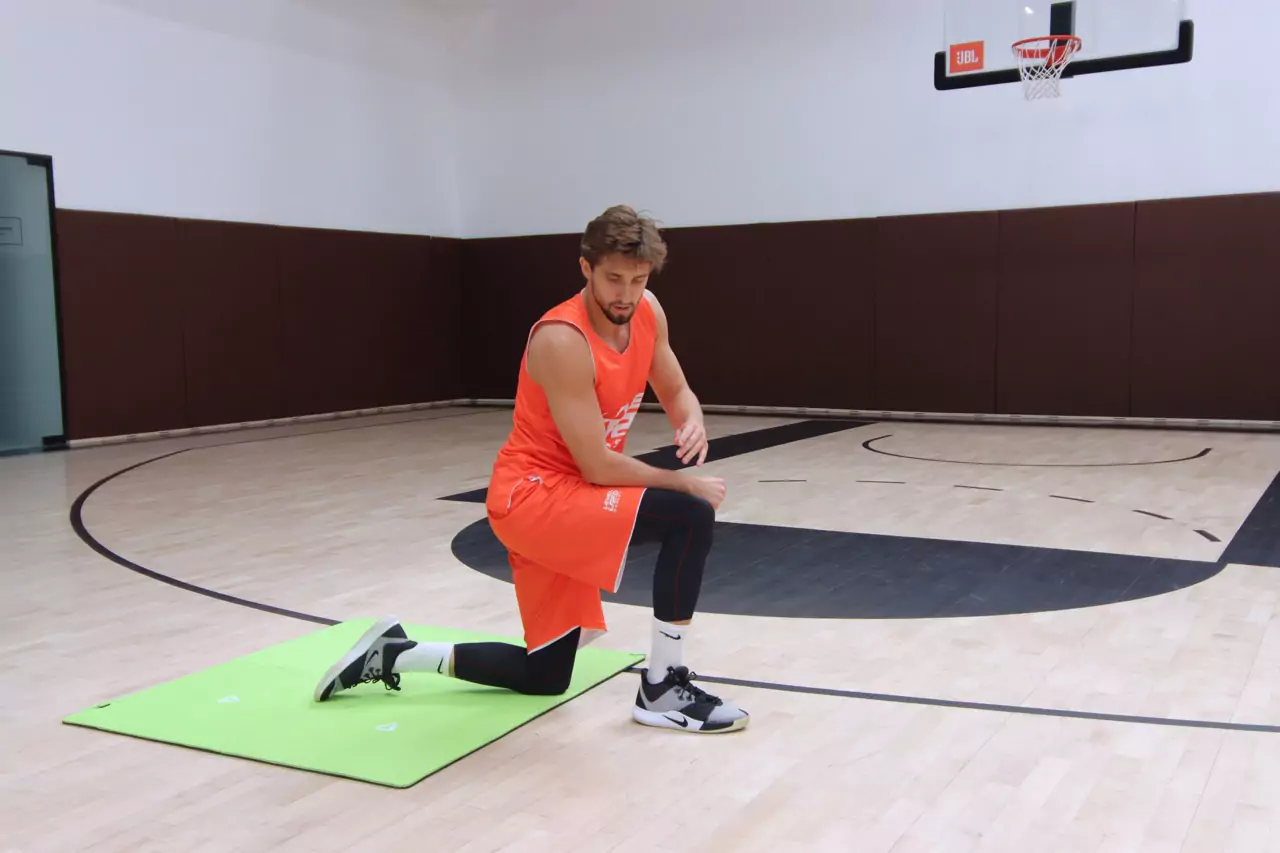
- Stay Low: The lower man wins. If you stand tall during transitions, you lose leverage. Keep your hips dropped and your nose behind your toes to allow for explosive changes of direction.
- Don't Round Cuts: When changing direction at the center, plant your foot hard and cut sharply. Rounding your path adds unnecessary distance and time that a smart offensive player will exploit.
- Eyes Up: Do not look at the cones. In a game, you need to see the ball and your man. Practice keeping your head up and your vision scanning the court, trusting your peripheral vision to navigate the space.
- Active Hands: Don't let your arms hang by your sides. Keep your hands active and wide during the defensive slides to simulate taking away passing lanes and deflecting dribbles.