Cross Step Sit Ups Teach Hips to Snap Up
The Cross Step Sit Up is a functional strength and agility drill designed to bridge the gap between traditional conditioning and on-court performance. Ideal for players from high school to the pros, this exercise focuses on the explosive core power and hip mobility required to recover quickly from the floor during loose ball situations or defensive scrambles. It transforms a standard abdominal workout into a game-speed recovery movement.
How to Perform This Drill
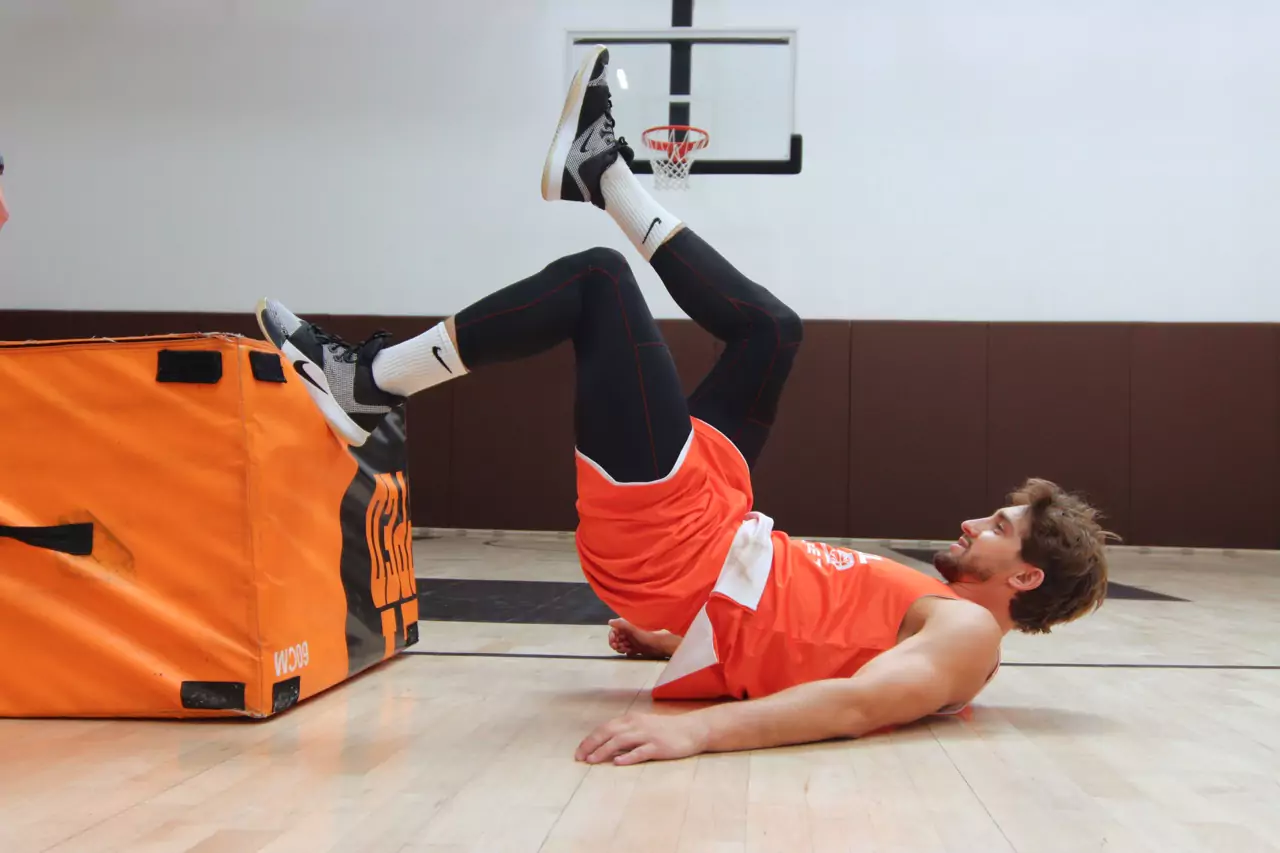
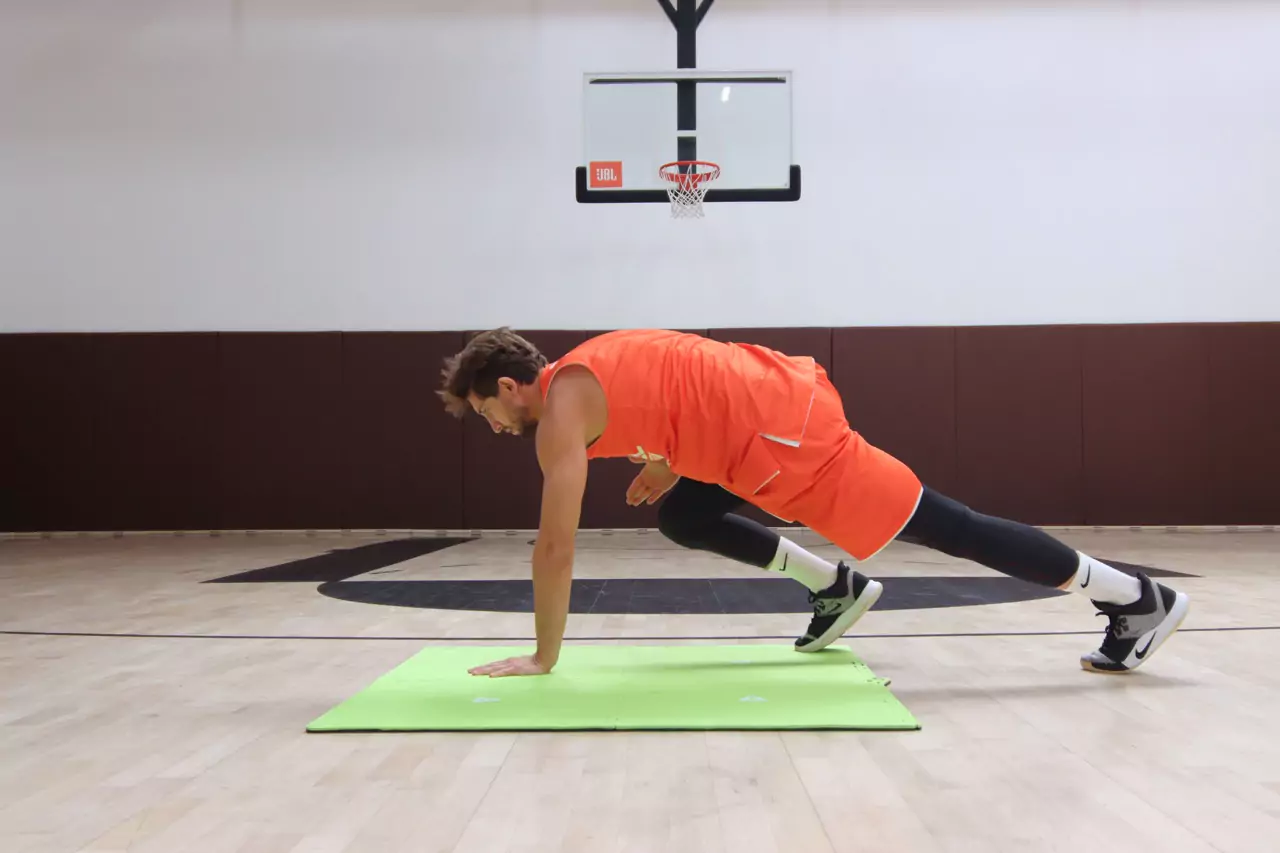
- Start Position: Lie completely flat on your back with your legs extended and your lower back pressed gently against the floor to engage your core immediately.
- Lock Your Arms: Cross your arms over your chest or keep them tight to your sides. Crucially, do not use your hands or elbows to push off the ground.
- Initiate the Rise: Explosively contract your abdominals to sit up, bringing your torso forward.
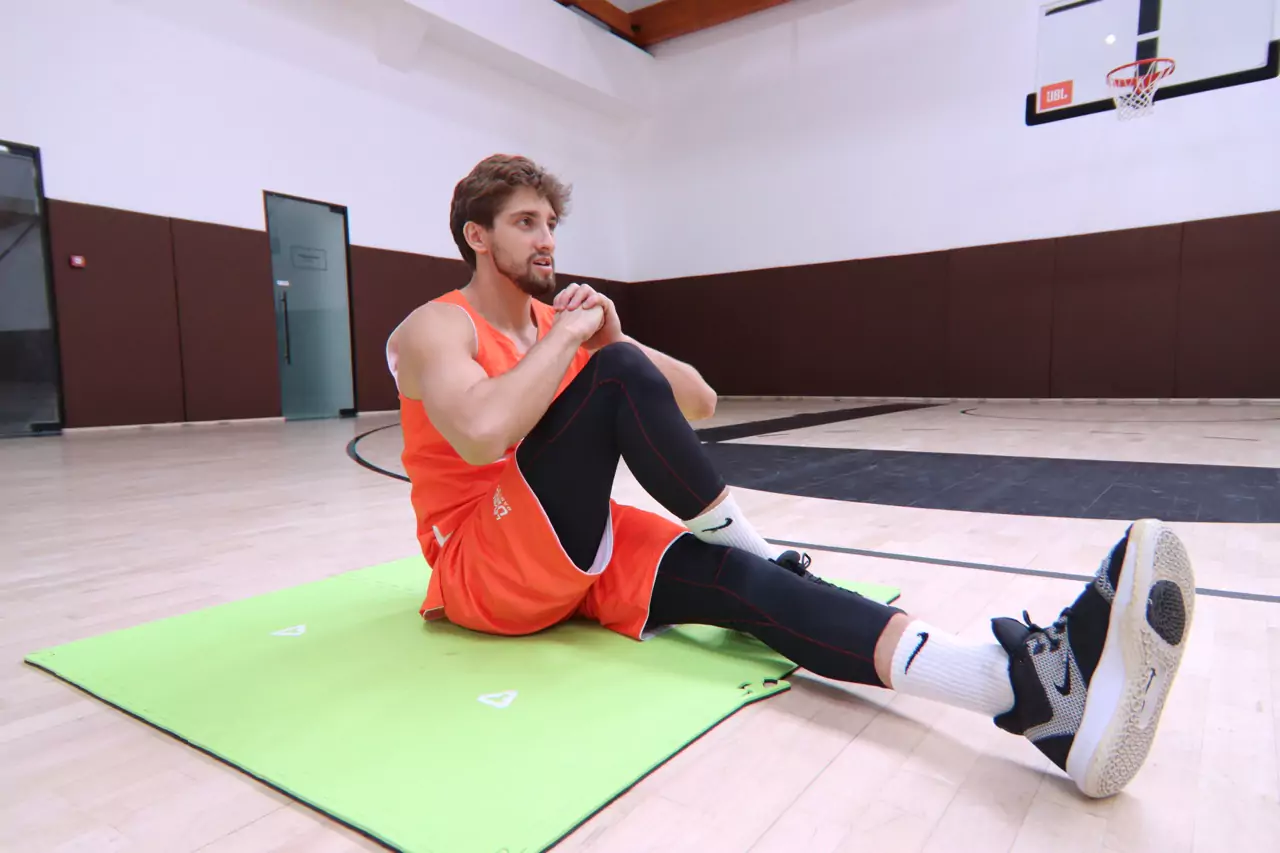
- Execute the Cross: As you rise, tuck one leg underneath you while crossing the other leg over the top, driving that foot firmly into the floor.
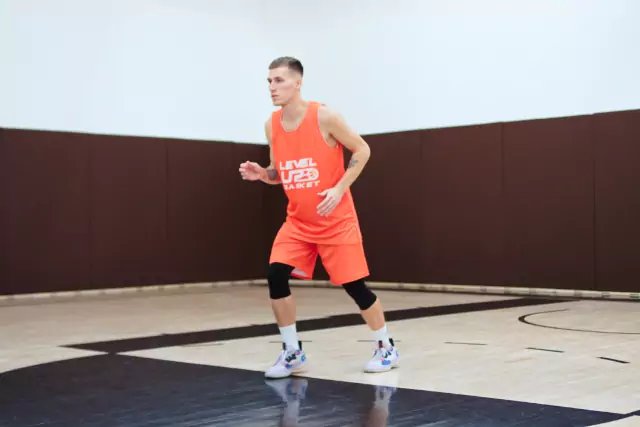
- Find Your Base: Continue the momentum until your weight shifts forward and both feet are flat on the ground, holding a low, athletic squat position.
- Reset and Repeat: Slowly lower yourself back to the starting position with control. Perform 5 repetitions, then switch which leg crosses over.
Why This Drill Works
In a real game, you rarely move in a perfectly straight line, yet many players only train their core with linear crunches. The Cross Step Sit Up works because it introduces rotational stability and hip mobility into your core training, mimicking the exact motion needed to get up after taking a charge or diving for a loose ball. By removing the assistance of your arms, you force your core and hip flexors to generate 100% of the force, building the functional strength necessary to return to a defensive stance in a split second.
Pro Tips
- Isolate the Core: Fight the urge to swing your arms for momentum. If you can't get up without using your arms, slow the movement down or anchor your feet slightly until you build the necessary strength.
- Stick the Landing: When you arrive in the seated squat position, pause for one second. Ensure you are balanced and ready to move, simulating a return to live play.
- Train Both Sides: It is common to have a "dominant" side that feels more natural. Attack your weak side with extra focus to ensure you can recover from the floor in any direction.
- Exhale on Exertion: Breathe out sharply as you sit up. This tightens the abdominal wall and provides the stability needed to execute the cross step explosively.