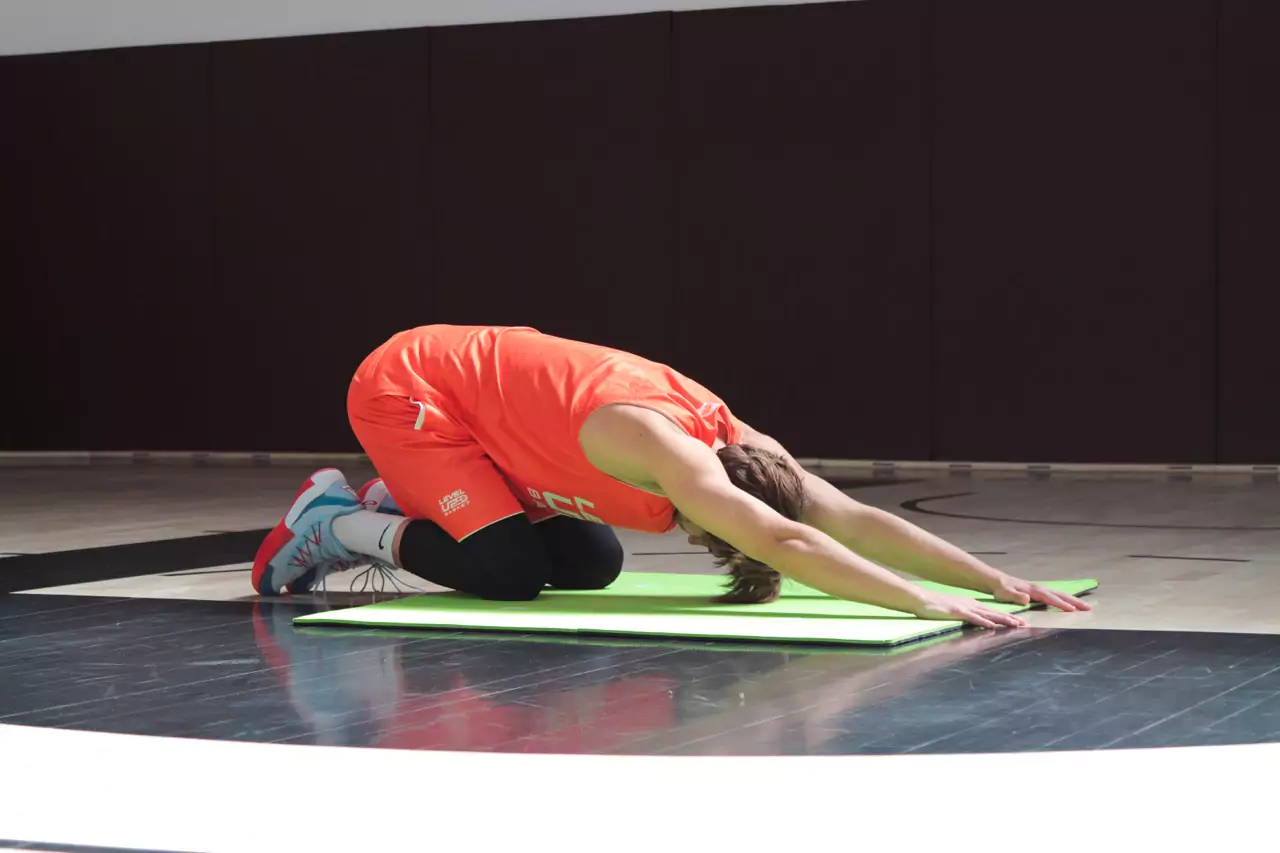
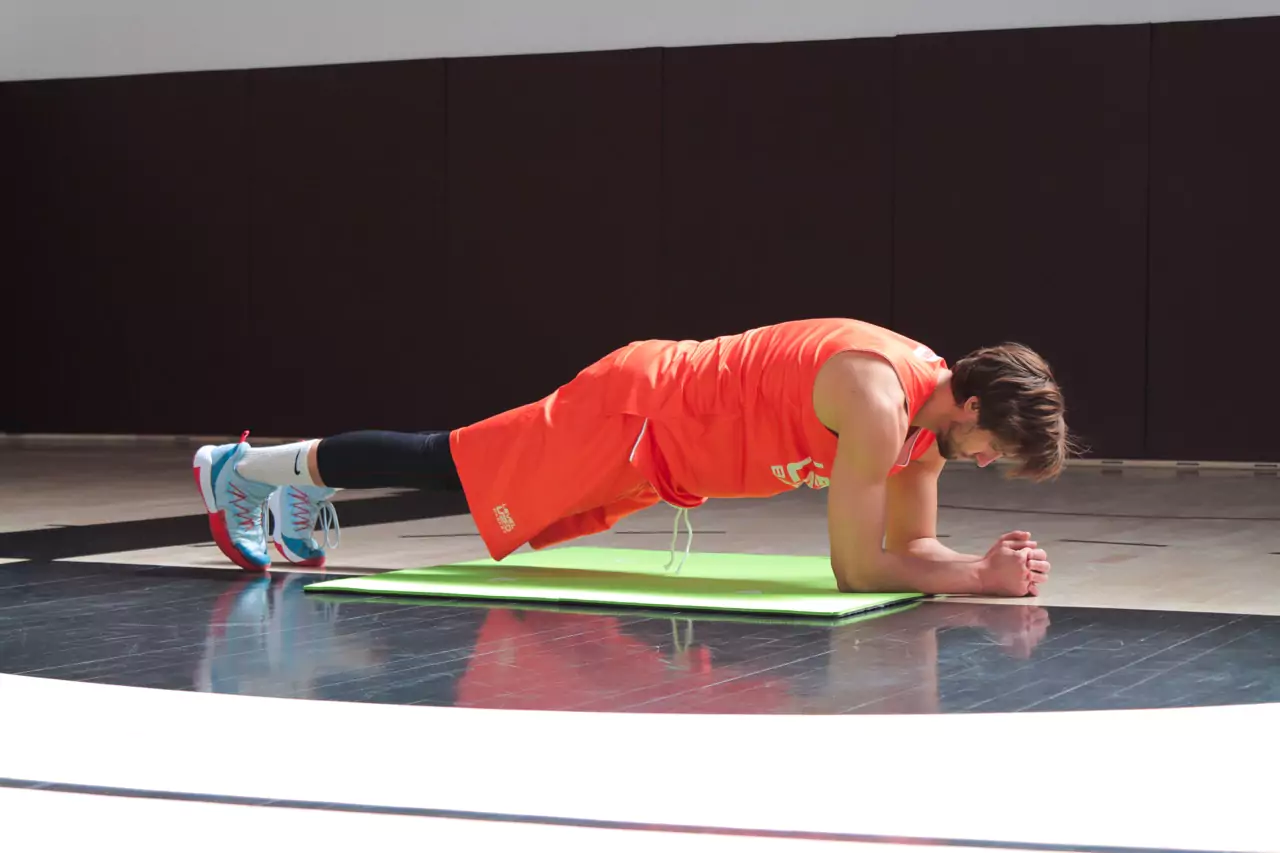
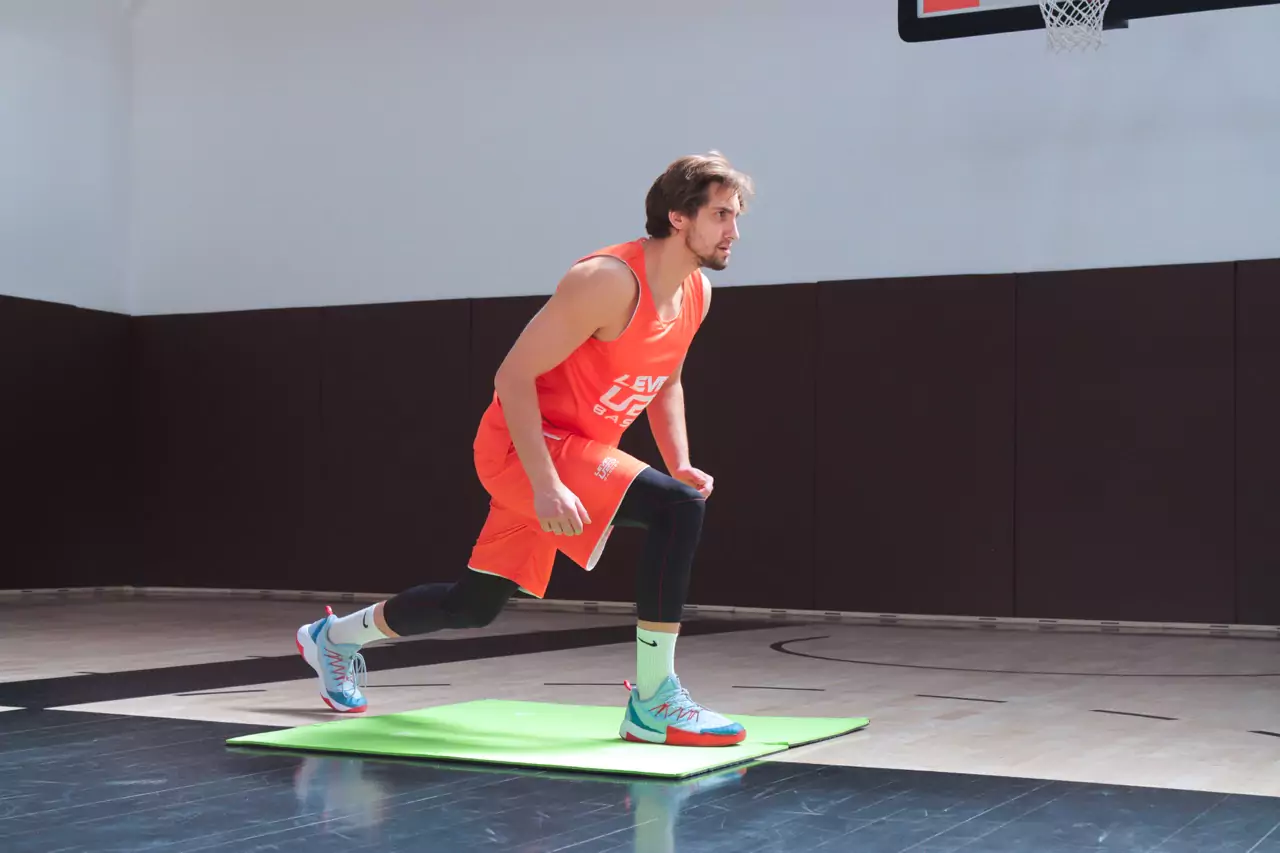
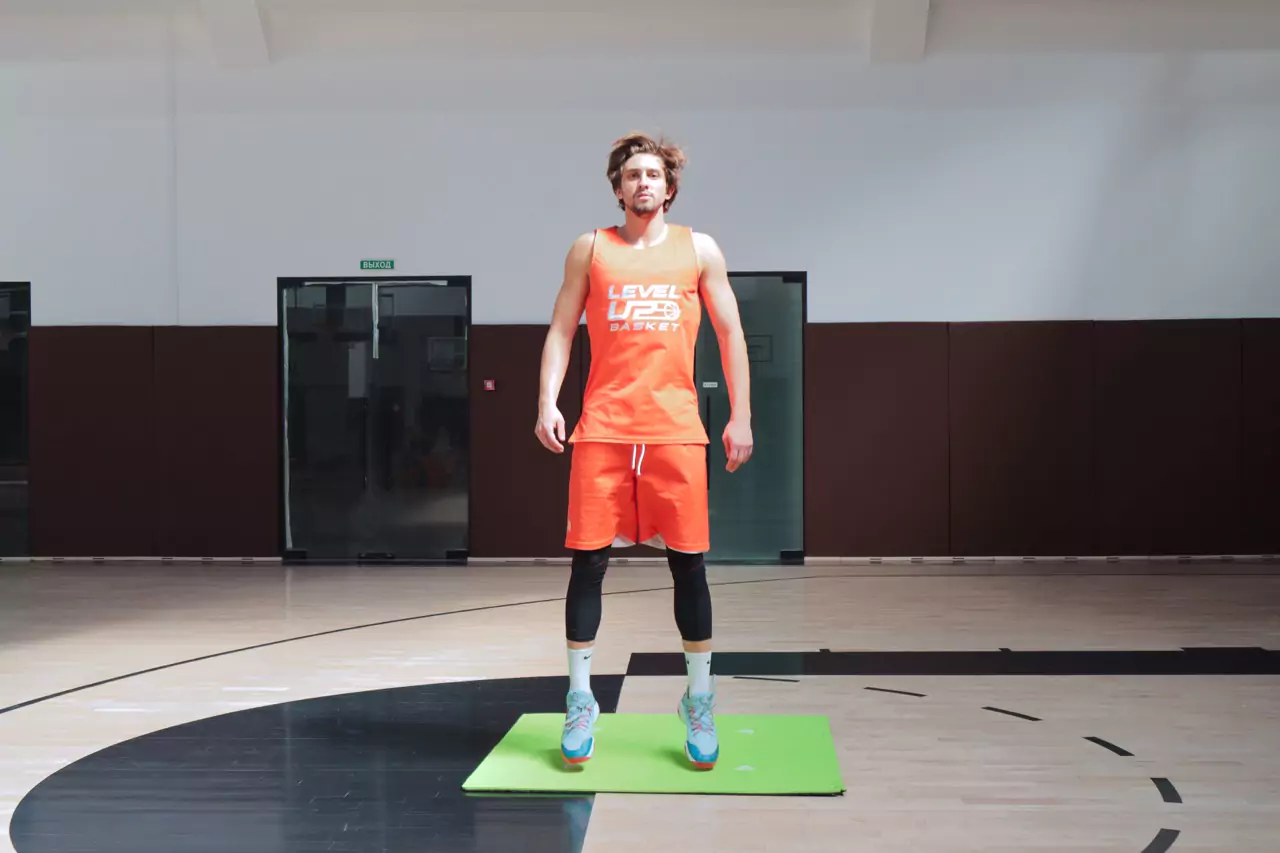
Back Stretch Opens Hip Flexors for Vertical Power
Mobility is the silent engine behind elite athleticism. This drill isn't just a cooldown; it is a critical maintenance movement designed to open up your anterior chain—the quads, hip flexors, and abdominals—while decompressing your spine. Ideal for all positions, but especially crucial for slashers and rim protectors, this stretch counteracts the tightness caused by defensive slides and constant jumping, ensuring your body remains pliable and ready to explode off the floor.
How to Perform This Drill
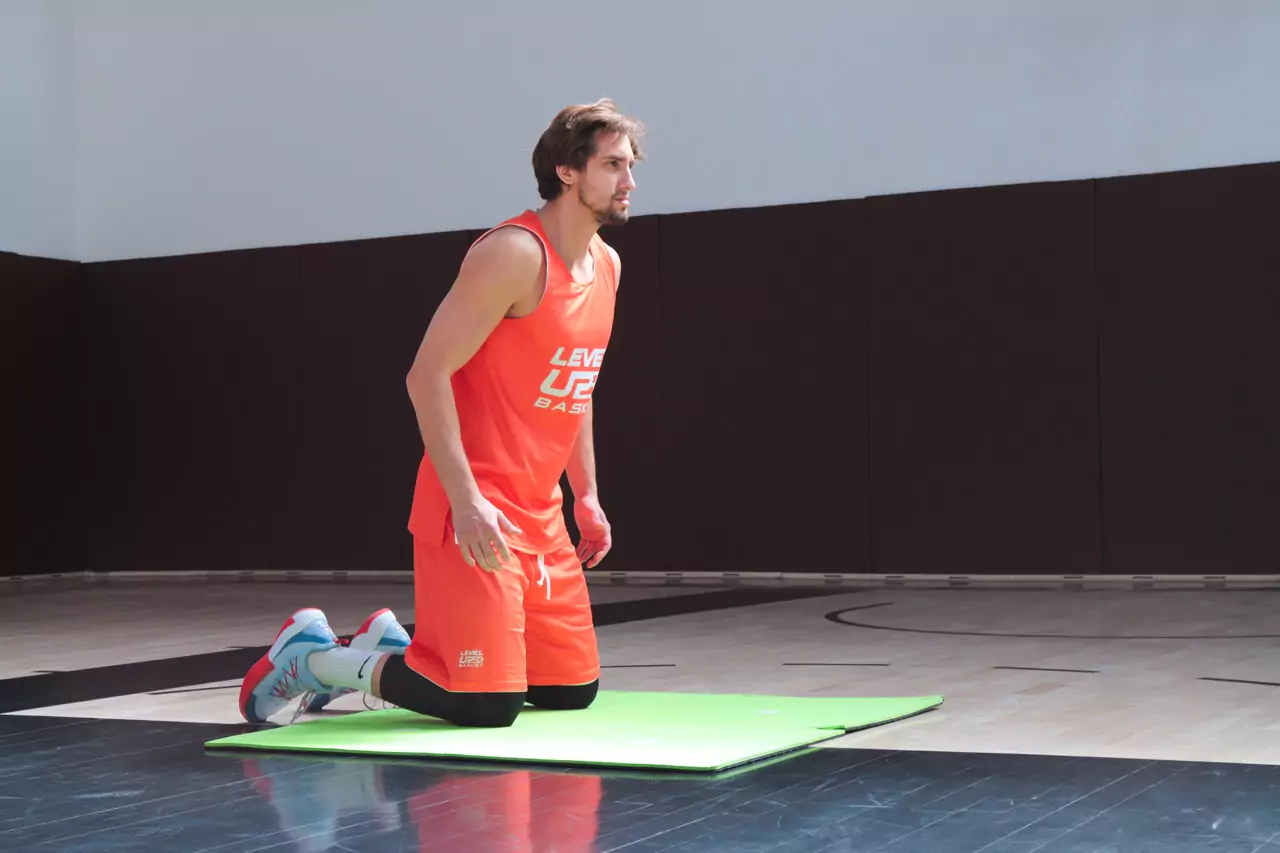
- Setup: Begin by kneeling on the floor with your knees hip-width apart and the tops of your feet flat against the ground. Keep your posture tall.
- Reach: Extend both arms straight up toward the ceiling, keeping your biceps by your ears to elongate your spine.
- Engage: Squeeze your glutes firmly to drive your hips forward. This is the most important step; it aligns your upper body with your lower body and protects your lower back.
- Execute: While maintaining that glute squeeze, slowly lean your upper body backward. Focus on creating a long arch rather than "folding" at the lower back.
- Hold: Find the point of tension where you feel a deep pull through your abdominals and the front of your thighs. Hold for 2-3 deep breaths.
- Reset: Engage your core to pull your torso back to the starting vertical position.
Why This Drill Works
In basketball, a high vertical leap requires violent hip extension. If your hip flexors and abdominals are tight from sitting in a defensive stance (or sitting in a classroom), they act as a "brake" on your jump, preventing you from reaching full extension. By lengthening these muscles and teaching you to stabilize your core while in extension, you unlock the mechanical freedom necessary for maximum power output. This drill simultaneously aids in recovery by relieving pressure on the lumbar spine.
Pro Tips
- Squeeze the Glutes: Never lean back without engaging your glutes first. This acts as a safety lock for your lower back and forces the stretch into your hip flexors where you need it most.
- Breathe into the Belly: Don't hold your breath. Deep, diaphragmatic breathing while in the stretch signals your nervous system to relax the muscles, allowing for a deeper range of motion.
- Chin Tuck: Keep your chin slightly tucked towards your chest as you lean back. Looking too far back at the ceiling can strain your neck and throw off your balance.
- Progressive Depth: Don't force the range of motion. Start with a small lean and increase the depth over several weeks as your flexibility improves.