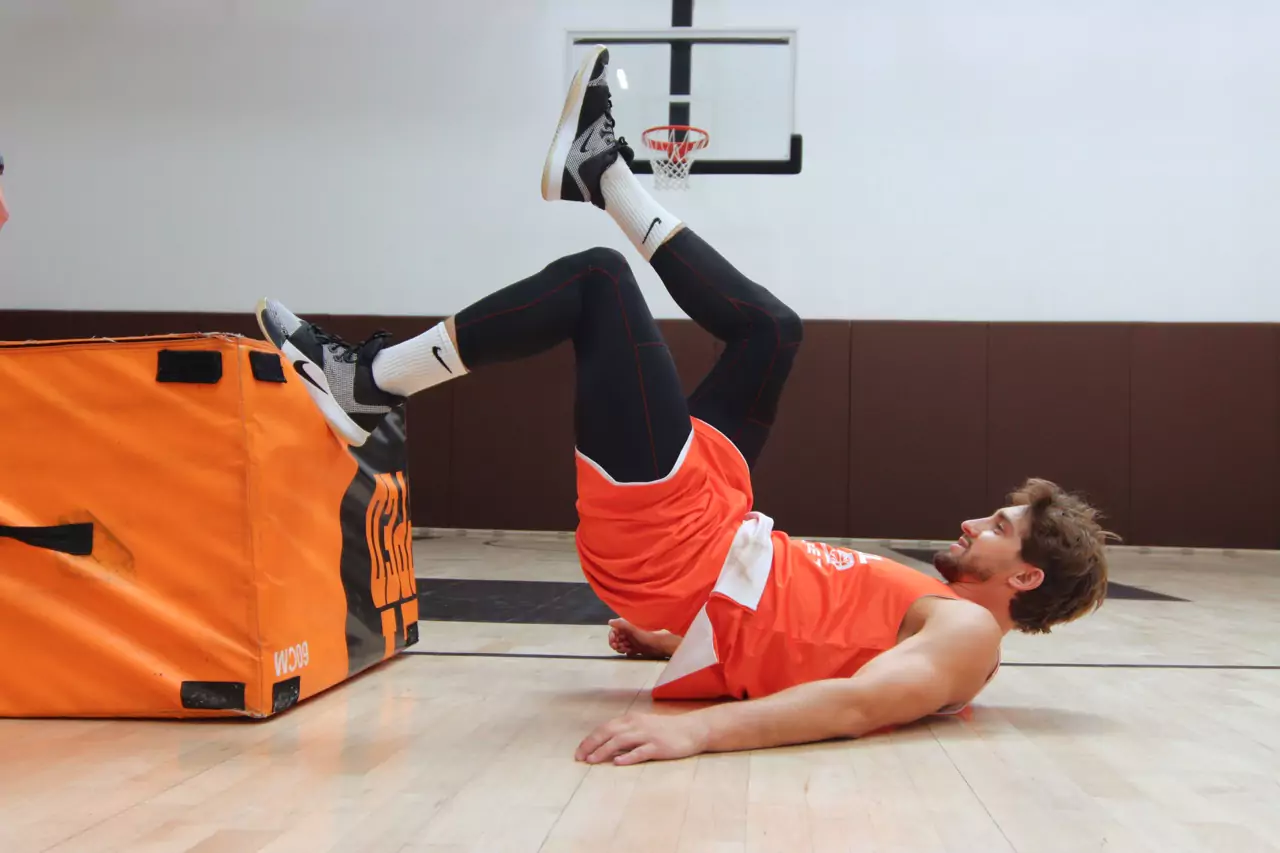
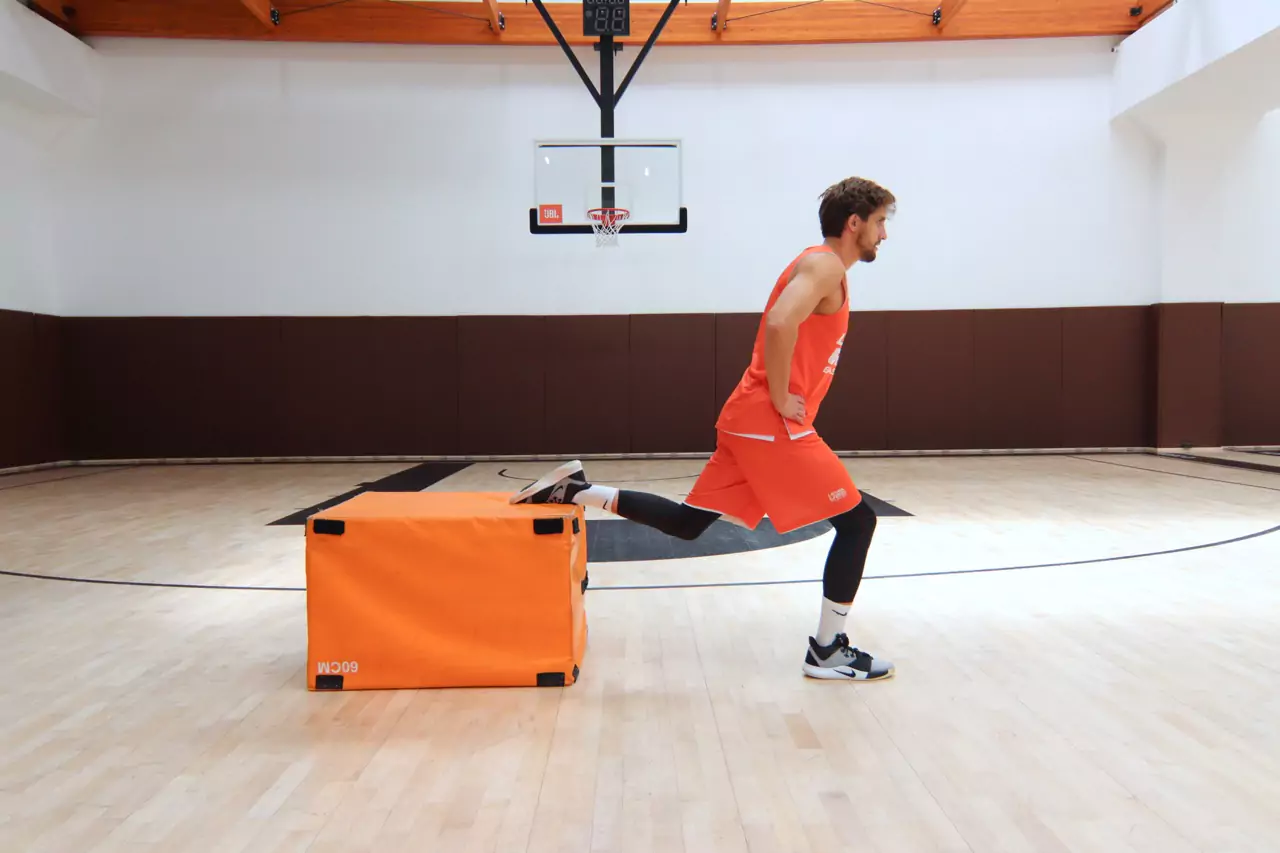
Can Split Stance Jumps Improve Your Stopping Power?
In basketball, your ability to stop is just as important as your ability to go. Split Stance Jumps are a fundamental plyometric drill designed to build unilateral leg strength, dynamic balance, and elite deceleration mechanics. Whether you are a guard working on hesitation moves or a forward developing a quick second jump, this drill solidifies the athletic foundation required for high-level play by teaching your body to absorb force and immediately explode.
How to Perform This Drill
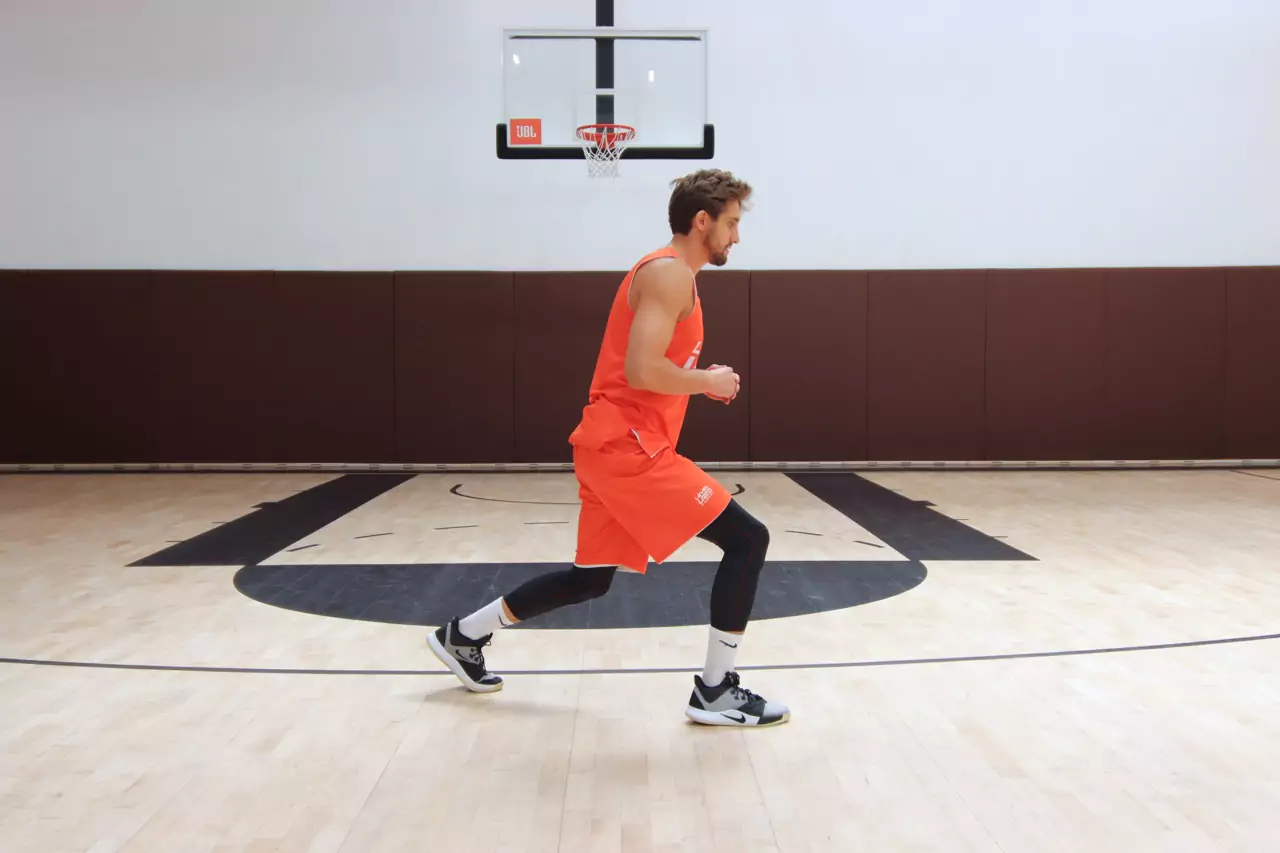
- The Setup: Begin in a split squat position with your feet hip-width apart. Step one foot forward and the other back, dropping your hips until both knees are bent at approximately 90-degree angles.
- The Load: Engage your core and keep your chest upright. Pause for a full second at the bottom of the movement (the lowest point) to eliminate momentum and force your muscles to generate power from a dead stop.
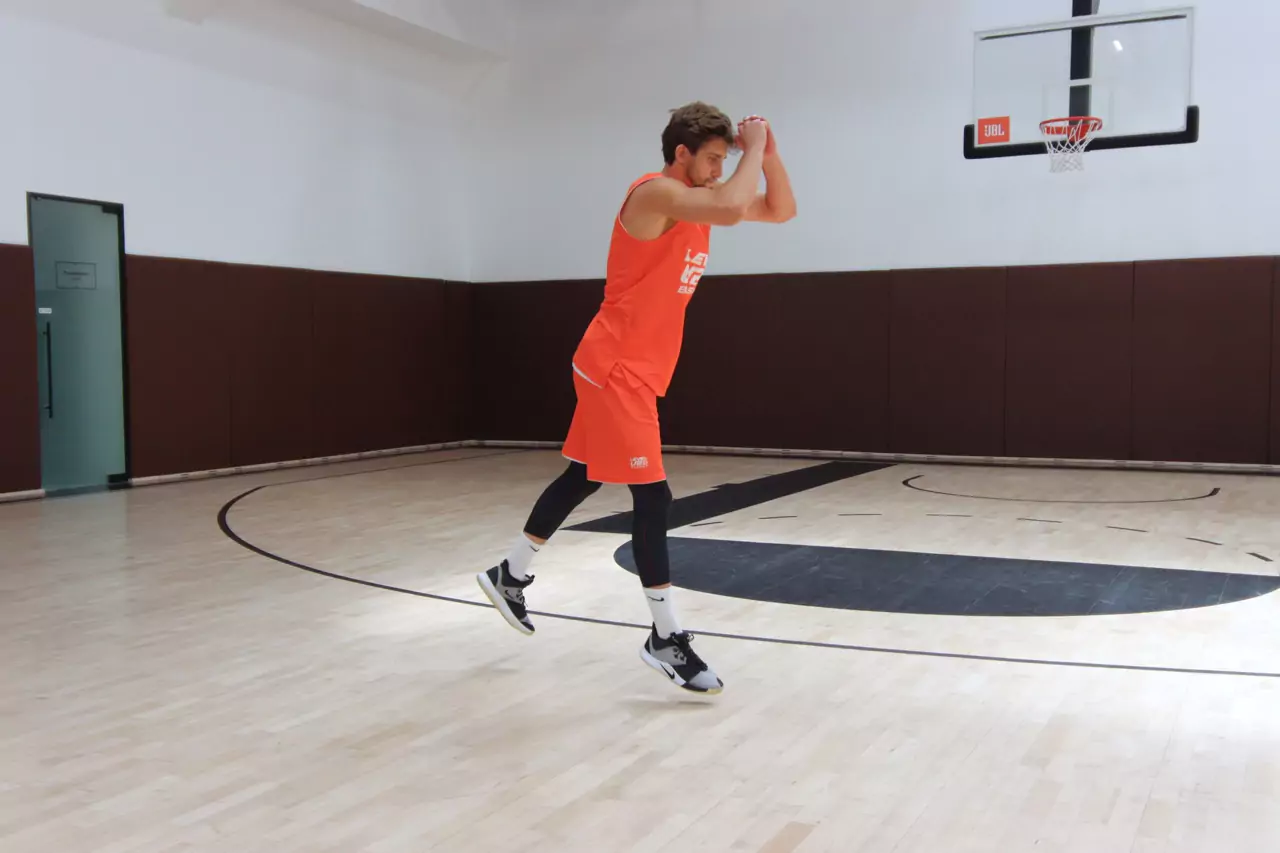
- The Explosion: Drive forcibly through your front heel and back toe to jump vertically. Swing your arms upward in sync with your legs to generate maximum lift.
- The Landing: Land softly in the exact same split stance position. Immediately absorb the impact through your hips and knees, ensuring your body is stable and "frozen" before initiating the next rep.
Why This Drill Works
This drill translates directly to the "stop-and-go" nature of basketball. By isolating the split stance, you mimic the exact body mechanics used during a hesitation dribble, a pullback crossover, or a defensive closeout. It trains your body to handle eccentric force (deceleration), allowing you to freeze a defender on the perimeter and explode past them before they can react. Furthermore, the focus on stability improves your ability to stay on balance through contact when driving to the rim.
Pro Tips
- Railroad Tracks, Not Tightropes: Keep your feet hip-width apart throughout the jump and landing. If your feet are too narrow (like walking on a tightrope), you will lose your lateral balance and reduce your power output.
- Knee Alignment: Watch your front knee carefully upon landing. Do not let it cave inward (valgus collapse); keep it tracking directly over your toes to prevent injury and maximize power transfer.
- Torso Integrity: Fight the urge to lean forward when you get tired. Keep your shoulders back and chest up to simulate keeping your eyes on the rim or the open teammate during a game.
- Soft Landings: You should not sound like an elephant when you land. A quiet landing indicates that your muscles are absorbing the force correctly, rather than your joints.